What is the best time to visit Fisterra?
The best time to visit is between May and September, when the weather is mild and ideal for hiking and enjoying the coastline. Summer months are busiest, so late spring or early autumn offer a quieter experience.
How do you get to Fisterra?
The nearest airport is Santiago de Compostela, about 90 km away, from where you can rent a car or take a bus to Fisterra. Direct buses run regularly from Santiago de Compostela, taking around 2 hours.
What are the main things to do in Fisterra?
Visitors can hike to the Cabo Fisterra lighthouse, historically considered the ‘end of the world’ and a final stop for many Camino de Santiago pilgrims. The town also offers sandy beaches, fresh seafood restaurants, and scenic coastal walks.
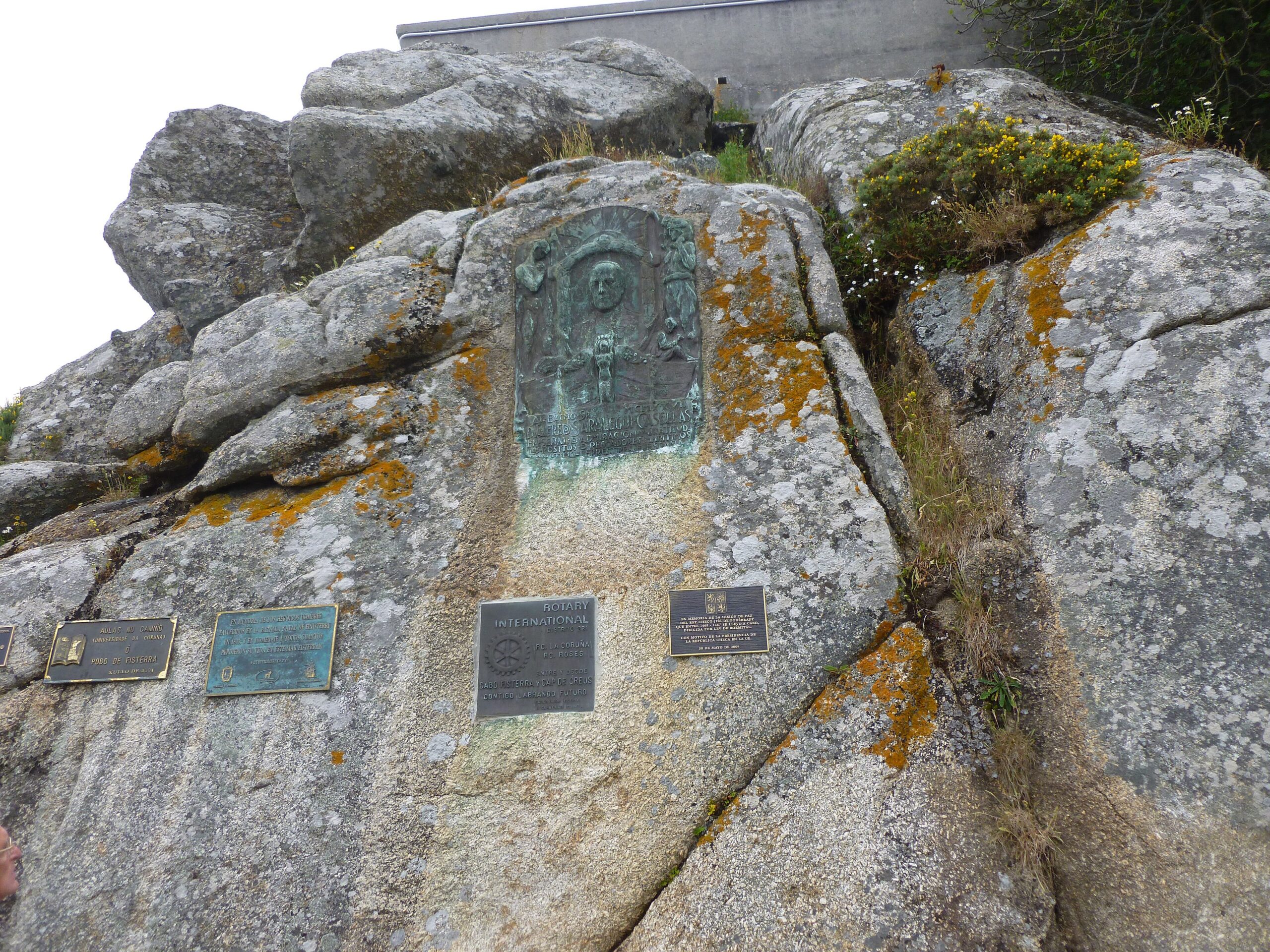
For the Romans, this rocky promontory on Galicia’s Costa da Morte truly marked the edge of the known world, and standing at its lighthouse with the Atlantic crashing below, it’s easy to see why. Fisterra combines that dramatic, myth-soaked geography with the low-key charm of a working fishing port, making it one of Spain’s most atmospheric small-town escapes.
A Town Built on a Legend
Fisterra takes its name from the Latin ‘Finis Terrae’ — the end of the earth — a belief the Romans genuinely held when they reached this granite headland. Long before it became a pilgrim destination, the cape was considered a mystical, dangerous place where the sun died into the ocean each evening. That sense of finality still lingers, giving the town a quiet, elemental atmosphere unlike anywhere else in Galicia.
What to Do in Fisterra
The main draw is Cape Finisterre itself, a three-kilometre walk or short drive from town, where the 19th-century lighthouse marks Km 0 for pilgrims finishing the Camino de Santiago. Many walkers burn a piece of clothing here as a symbolic end to their journey, then watch the sunset from the rocks below. In town, explore the small Castle of San Carlos, wander the fishing harbour where boats unload the daily catch, and use Fisterra as a base for the wild, empty beaches of Praia do Rostro and Mar de Fóra nearby.
Galician Flavours by the Sea
Fisterra’s identity is inseparable from its fishing fleet, and the seafood here is exceptional and unpretentious. Look for pulpo á feira (octopus with paprika and olive oil), fresh percebes (goose barnacles) harvested from the very cliffs you’ve been admiring, and simple grilled fish paired with a glass of local Albariño. Portside taverns serve these dishes without fuss, exactly as they have for generations.
Festas do Cristo
In early August, Fisterra hosts its biggest celebration, the Festas do Cristo, honouring a revered local crucifix with processions, fireworks over the harbour, live music and communal seafood feasts. It’s a lively contrast to the town’s usual quiet rhythm and a great time to experience Galician coastal culture at its most sociable.
Who Fisterra Suits
This is a destination for travellers who want landscape and meaning over nightlife and polish — pilgrims completing the Camino, hikers drawn to the Costa da Morte’s cliffs, and anyone chasing dramatic sunsets and slow seafood dinners. It suits independent travellers comfortable with a smaller, less manicured town rather than those seeking resort-style comfort.
Getting to Fisterra
The nearest airport is Santiago de Compostela, about 90 kilometres away, from where regular buses connect to Fisterra in roughly two hours. Driving gives more flexibility to explore the coast en route, while many visitors arrive on foot, continuing the Camino de Santiago’s Camino Fisterra-Muxía extension from the cathedral city.
Combine With Costa da Morte and Santiago
Fisterra pairs naturally with Muxía, another spiritually charged cape just up the coast, known for its Virxe da Barca sanctuary perched dramatically above the waves. Together they form the heart of the Costa da Morte, a rugged stretch dotted with fishing villages, shipwreck lore and quiet beaches. Santiago de Compostela, an easy day trip or Camino starting point, adds cathedral history and lively city life to round out a Galicia itinerary.
Climate Through the Seasons
Spring brings mild temperatures and green landscapes but frequent Atlantic showers. Summer (June–September) is the most reliable season, with warm days around 22–24°C and the best chance of clear sunsets at the cape. Autumn turns moody and dramatic, with stronger winds and rain returning by October, while winter is wet, windswept and cool, appealing mainly to those chasing storm-watching solitude rather than beach weather.