Wat is de beste tijd om Olite te bezoeken?
De lente en herfst zijn ideaal vanwege het milde klimaat, met name april-juni en september-oktober. In de zomer kan het erg warm worden, terwijl het in de winter kouder en regenachtiger is.
Hoe kom ik in Olite en wat zijn de must-see bezienswaardigheden?
Olite ligt op ongeveer 40 km van Pamplona en is bereikbaar per auto of trein vanaf Pamplona of Zaragoza. Het Palacio Real de Olite, een prachtig middeleeuws kasteel, is de belangrijkste attractie, samen met de historische stadsmuren en de Iglesia de Santa María la Real.
Is Olite een budgetvriendelijke bestemming en welke taal wordt er gesproken?
Olite is over het algemeen betaalbaar, met redelijke prijzen voor accommodatie, eten en toegangskaartjes tot bezienswaardigheden. Spaans is de officiële taal, maar in toeristische gebieden wordt vaak ook Engels gesproken.
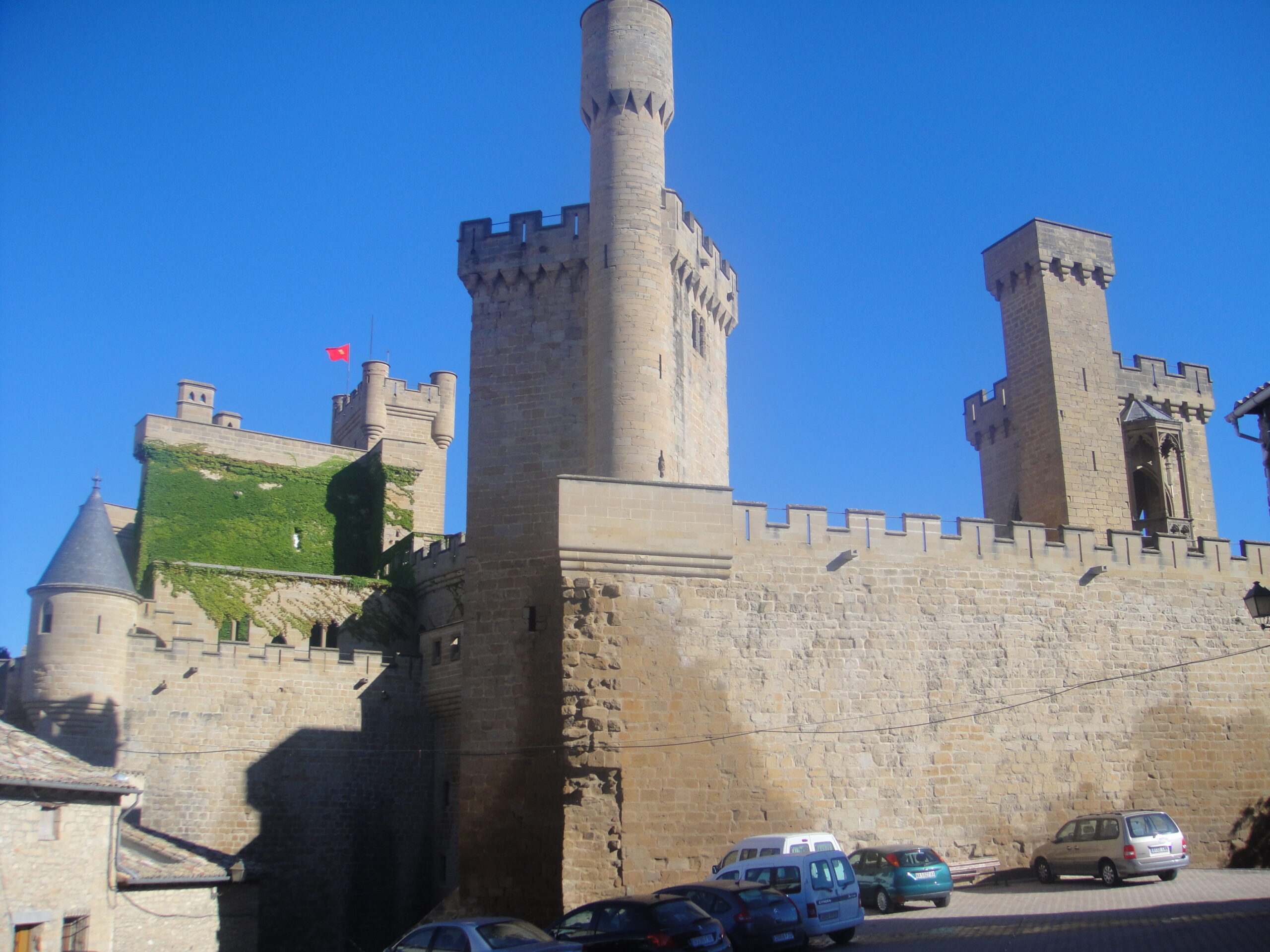
Tucked into the vineyards of central Navarra, Olite is the kind of Spanish town that rarely makes the postcards yet leaves a bigger impression than most famous ones. Its turreted royal castle, quiet stone streets and surrounding wine country make it an ideal escape for travellers who want history and authenticity without the crowds.
A Royal Castle Frozen in Time
Olite’s skyline is dominated by the Palacio Real de Olite, a turreted Gothic castle built in the early 15th century for Charles III of Navarre, who wanted a residence to rival the great palaces of France. Wander its towers, courtyards and hanging gardens and you’ll understand why writers once called it one of the most romantic castles in Europe. The town grew up around this royal court, and its cobbled lanes and stone archways still carry that unhurried, regal atmosphere.
The Vibe: Slow, Authentic and Uncrowded
Olite moves at a different pace than Spain’s coastal resorts, with quiet squares, family-run bars, and locals who still stop to chat in the street. It suits travellers who prefer history and landscape over nightlife: couples after a romantic weekend, wine lovers, and independent explorers keen on a corner of Spain that rarely makes the guidebooks. If you’ve already seen Barcelona or Seville, Olite offers a more genuine, lived-in side of the country.
Navarra Wine Country and Local Flavours
Olite sits in the heart of DO Navarra wine country, with bodegas open for tastings just a short drive from town. Local restaurants serve hearty Navarrese dishes like menestra de verduras, built around regional artichokes and asparagus, alongside cordero al chilindrón and pochas beans, best paired with a garnacha or rosado from nearby vineyards. For an atmospheric meal, grab a table on Plaza de los Teobaldos as the castle lights up at dusk.
Medieval Days and Local Festivities
Each September, Olite’s old town transforms for the Días Medievales, a lively festival with market stalls, jousting, falconry and locals dressed in period costume. It’s the most theatrical time to visit, though rooms fill up fast, so early booking is worth it. Around the same period, the town’s patron saint fiestas bring processions, open-air concerts and a distinctly local, unpolished energy.
Getting to Olite
Olite lies about 40 minutes south of Pamplona, whose small airport connects to Madrid and Barcelona, making a rental car the simplest way to reach the town. Travellers arriving by train can take a regional service from Madrid or Zaragoza to the Tafalla-Olite station, followed by a short taxi ride. Direct buses from Pamplona’s bus station also run to Olite several times a day.
Combine Olite With: Pamplona, Ujué and the Navarra Wine Route
Olite makes an easy base for exploring central Navarra: Pamplona, with its Camino de Santiago energy and San Fermín history, is under an hour away, while the hilltop village of Ujué offers sweeping views and an even older, quieter atmosphere. Wine lovers can follow the Ruta del Vino de Navarra through nearby Tafalla, and history-minded travellers often add a detour to the monasteries of Leyre or the stark badlands of Bardenas Reales.
Olite Through the Seasons
Spring brings mild days and green vineyards, ideal for exploring the castle grounds without summer’s heat. Summer turns hot and dry, often above 30°C, though evenings cool pleasantly for outdoor dining. Autumn is harvest season, painting the vineyards gold and coinciding with the medieval festival, while winter is cold and crisp, giving the stone castle an almost storybook feel.