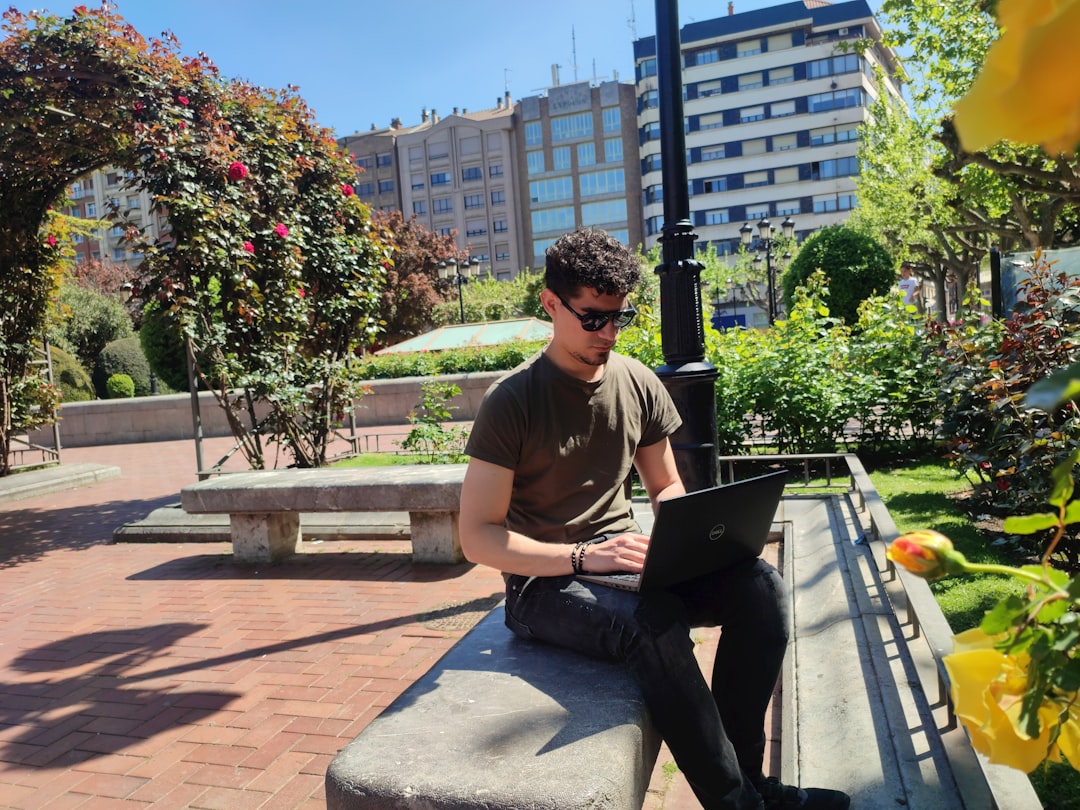
What is the best time to visit Logroño?
Late spring (May-June) and September are ideal, offering pleasant weather for exploring and coinciding with the grape harvest season. June also hosts the vibrant San Bernabé festival.
How do you get to Logroño?
Logroño has a small airport with limited domestic flights, but most travellers arrive by train or bus from Madrid or Bilbao, both roughly 3-4 hours away. Driving is also convenient, as the city sits along the AP-68 highway.
What is Logroño known for?
Logroño is the capital of La Rioja and famous for its wine culture, especially the tapas bars along Calle Laurel where visitors sample pintxos with local Rioja wines. It’s also a key stop on the Camino de Santiago pilgrimage route.
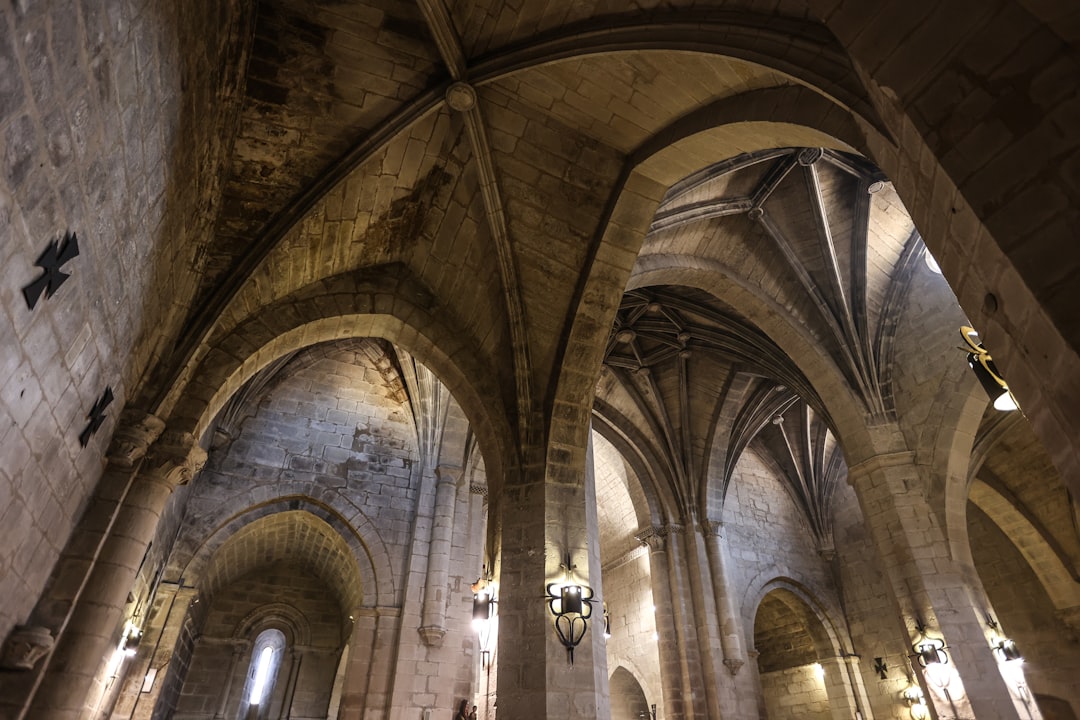
Logroño is the kind of Spanish city that rewards travellers who skip the obvious coastal resorts. Capital of the small but mighty La Rioja region, it combines a compact medieval core with one of Spain’s most celebrated food-and-wine scenes, all without the crowds of Barcelona or Seville. It’s a city built for wandering between bodegas, tapas bars and pilgrim waymarks rather than ticking off monuments.
Calle Laurel: Spain’s Tapas Street
Logroño’s real attraction isn’t a single monument but a street: Calle Laurel, a narrow lane packed with over 50 bars, each specialising in one or two pintxos. Locals move from bar to bar ordering a single dish and a small glass of Rioja at each stop, a ritual known as ‘ir de pinchos’. Try the grilled mushrooms with garlic and prawn (champiñones), a Logroño classic, alongside the region’s robust red wines, which are poured here at prices that would be unthinkable in Madrid or London.
Old Town, Cathedral and the Camino de Santiago
Logroño sits directly on the French Way of the Camino de Santiago, and pilgrims with scallop shells on their backpacks are a constant, atmospheric presence in the old town. The Co-Cathedral of Santa María de la Redonda, with its twin baroque towers, anchors the historic centre, while remnants of the city walls and the Puente de Piedra bridge over the Ebro River recall Logroño’s role as a strategic crossing point since Roman times. Unlike more touristy Spanish cities, the old town here still functions as a genuine neighbourhood, with grocers, hardware shops and bars mixed in among the sights.
San Bernabé and the Grape Harvest Festival
Every 11 June, Logroño celebrates San Bernabé, the city’s patron saint, with free fish and wine distributed in Espolón park, commemorating a 16th-century siege that the city survived thanks to fish caught in the Ebro. The bigger event is Fiestas de San Mateo in late September, marking the start of the grape harvest with the traditional pressing of the first grapes, parades, bullfights and days of open-air wine tasting across the city centre. Visiting during San Mateo means booking accommodation well in advance, as the whole region converges on Logroño.
Who Logroño Suits
This is a destination for food and wine enthusiasts, slow travellers and Camino walkers rather than beach-seekers or theme-park families. It also appeals to travellers who want an authentic, unpolished Spanish city experience, small enough to explore on foot in a day or two, but with enough depth in its bars and surrounding wineries to fill a full week.
Getting to Logroño
Logroño has its own small airport (RJL) with limited domestic connections, so most travellers fly into Bilbao (around 1.5 hours by car or bus) or Madrid (roughly 3 hours by direct train or bus). Regular train services connect Logroño to Madrid, Bilbao and Zaragoza, making it an easy add-on to a wider northern Spain itinerary. The city itself is compact and walkable, with no need for a car once you’ve arrived, though renting one opens up the surrounding wine villages.
Combining Logroño with the Wider Region
Logroño works best as a base for exploring La Rioja’s wine country: Haro, Elciego (home to the striking Marqués de Riscal winery designed by Frank Gehry) and San Vicente de la Sonsierra are all within a 45-minute drive and offer bodega tours and tastings. It also pairs naturally with a longer Camino de Santiago itinerary or a trip into the Basque Country, with San Sebastián and Vitoria-Gasteiz both under 90 minutes away by road.
Climate Through the Seasons
Spring (March-May) brings mild days and blossoming vineyards, ideal for walking the Camino or cycling among the vines. Summer (June-August) is warm and dry, often reaching 30°C, with long evenings perfect for tapas crawls on Calle Laurel. Autumn (September-November) is arguably the best season, coinciding with the grape harvest and cooler, crisp weather. Winter (December-February) is cold and occasionally foggy, with temperatures hovering near freezing, but the old town’s bars stay warm and lively year-round.