What is the best time to visit Cudillero?
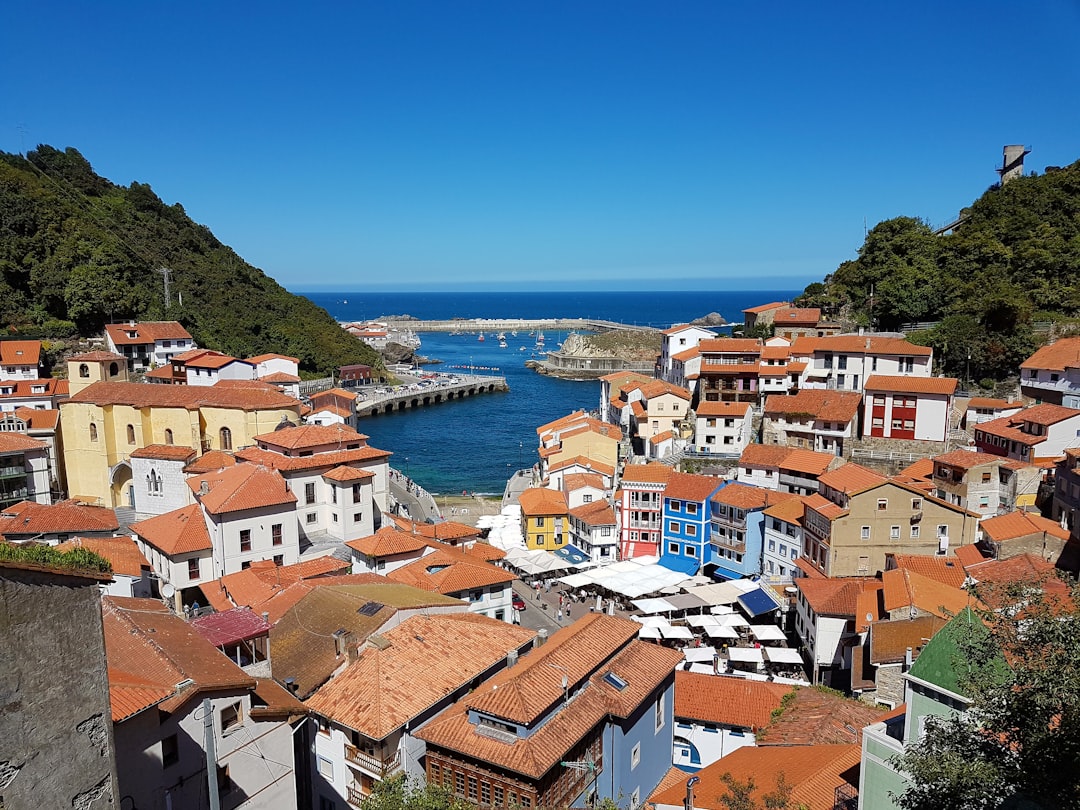
Late spring to early autumn (May–September) offers the mildest weather and clearest views of the colorful stacked houses. Summer weekends can get crowded, so weekdays or shoulder months are ideal for a quieter experience.
How do you get to Cudillero?
The easiest way is by car, about a 30-minute drive west from Avilés or 1 hour from Oviedo along the coastal AS-263 road. There are also limited daily bus services connecting Cudillero to nearby towns like Avilés and Gijón.
What are the must-do activities in Cudillero?
Wander up to the Mirador de Garita-Cudillero for panoramic views of the village’s colorful houses tumbling down to the harbor, then enjoy fresh seafood at a portside restaurant. A short hike or drive to the nearby Playa del Silencio is also highly recommended for its dramatic cliffside scenery.
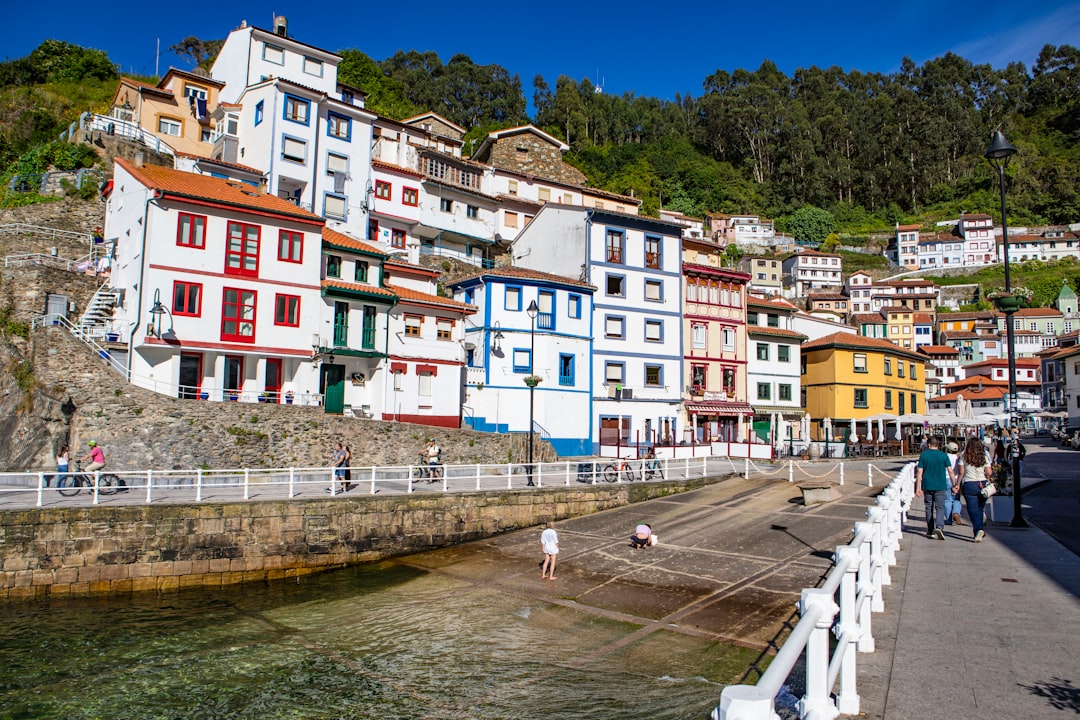
Tucked into a narrow ravine on Spain’s northern coast, Cudillero looks almost too picturesque to be real: pastel houses climb the cliffside in tiers around a tiny working harbour. It’s a place where fishing boats still come in with the day’s catch, and where the pace of life hasn’t been rewritten for tour buses yet. For anyone craving Asturias without the crowds of Gijón or Oviedo, this is where to look.
What to Do in Cudillero
Start at the Mirador de la Garita-Herrero, a viewpoint above town that reveals the full amphitheatre of houses tumbling toward the sea. Wander down through the steep, narrow streets (there are no cars in the old centre, only stairs and alleys) to the harbour, where fishermen unload catch each morning. From here, hike or drive to the Faro de Cudillero, a striking lighthouse perched on cliffs with views over the Cantabrian Sea, then head slightly out of town to Playa del Silencio, a dramatic beach hemmed in by rock formations that fully justifies its name — ‘the beach of silence’.
The Vibe: Working Village, Not a Postcard Set
Cudillero has real fishing-village bones; the colourful facades weren’t painted for Instagram, they were traditionally used so sailors could spot their homes from the water. Evenings are quiet and unhurried, with cider bars filling slowly and locals speaking Pixueto, a distinct Asturian dialect specific to this village. It’s a destination for travellers who want atmosphere and authenticity over nightlife or big attractions.
Who It Suits
Cudillero works best for couples, slow-travel enthusiasts, photographers and food lovers who don’t mind hills and stairs. It’s less suited to those wanting resort comforts or lively nightlife — this is a base for coastal walks, seafood dinners and genuine small-town Spain.
Getting to Cudillero
The nearest airport is Asturias Airport (OVD), around 30 minutes by car. Cudillero also has its own train station on the FEVE narrow-gauge line connecting Gijón, Avilés and Ferrol, a scenic if slow way to arrive. Driving via the A-8 motorway is the most flexible option, especially if you plan to explore the wider coastline.
Local Flavour: Amuravela and Seafood
Every July 15th during the Fiesta del Carmen, a local reads the Amuravela — a satirical poem in Pixueto dialect, delivered from a boat in the harbour and poking fun at local events of the past year. Food-wise, expect Asturian classics: grilled fish straight from the port, oricios (sea urchins) in season, and cider poured the traditional way, held high and splashed into the glass.
Pairing Cudillero With the Rest of Asturias
Combine Cudillero with nearby Luarca for another fishing-village fix, or Avilés and Gijón for a bit more urban energy and dining variety. Inland, the Somiedo Natural Park offers dramatic mountain scenery and traditional stone huts (cabanas), while Oviedo makes a solid day trip for architecture and Asturian gastronomy.
Climate Through the Seasons
Spring brings mild temperatures and green landscapes, ideal for coastal walks, though rain is common. Summer (June–September) is the driest and warmest period, with pleasant days for beaches and hiking. Autumn turns cooler and wetter but rewards visitors with dramatic skies and fewer crowds. Winter is mild by northern European standards but rainy and grey, more suited to cosy stays than outdoor exploring.
Ready to explore Asturias’ quiet coast? Compare Cudillero holiday deals on Sunlivo and start planning your trip.