What is the best time to visit Ourense?
Spring (April-June) and autumn (September-October) offer mild weather ideal for exploring the city and countryside. Winter is also popular due to the famous thermal hot springs along the Miño River, which are especially inviting in cooler months.
How do you get to Ourense?
Ourense has its own train station with high-speed AVE connections to Madrid and A Coruña, making rail the most convenient option. The nearest airports are Vigo and Santiago de Compostela, both about 1-1.5 hours away by car.
What are the must-do activities in Ourense?
Visit the free natural hot springs (Termas de Outariz or As Burgas) right in the city center, and explore the medieval Ponte Vella bridge and Ourense Cathedral. The old town’s tapas bars are also a highlight for sampling Galician cuisine at budget-friendly prices.
Ourense doesn’t chase attention the way Spain’s coastal cities do, and that’s exactly its appeal. Built around natural hot springs that have drawn people to its riverbanks since Roman times, this inland Galician city pairs a compact, atmospheric old town with some of the region’s most underrated countryside just beyond its edges.
A City Built Around Hot Water
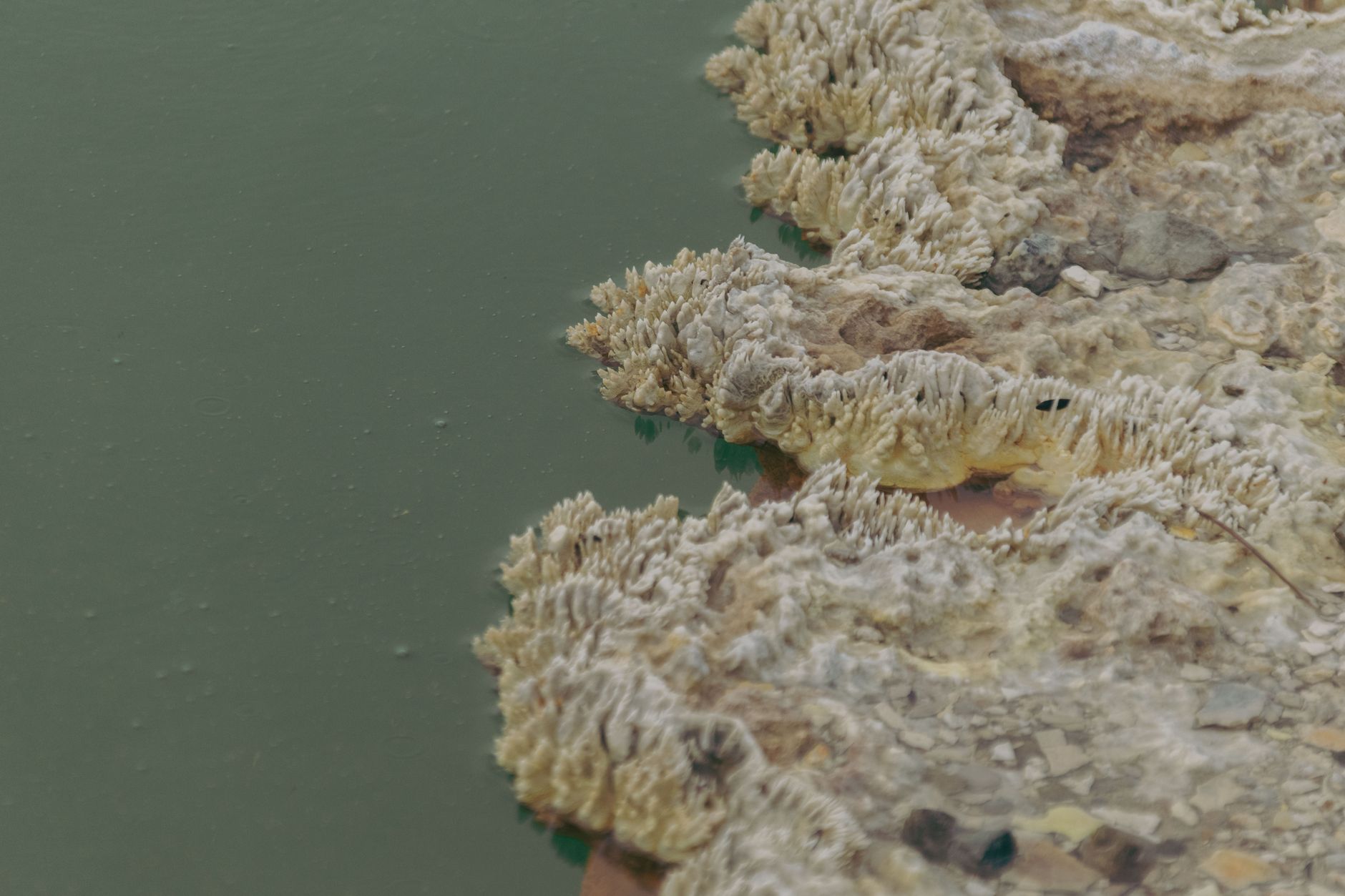
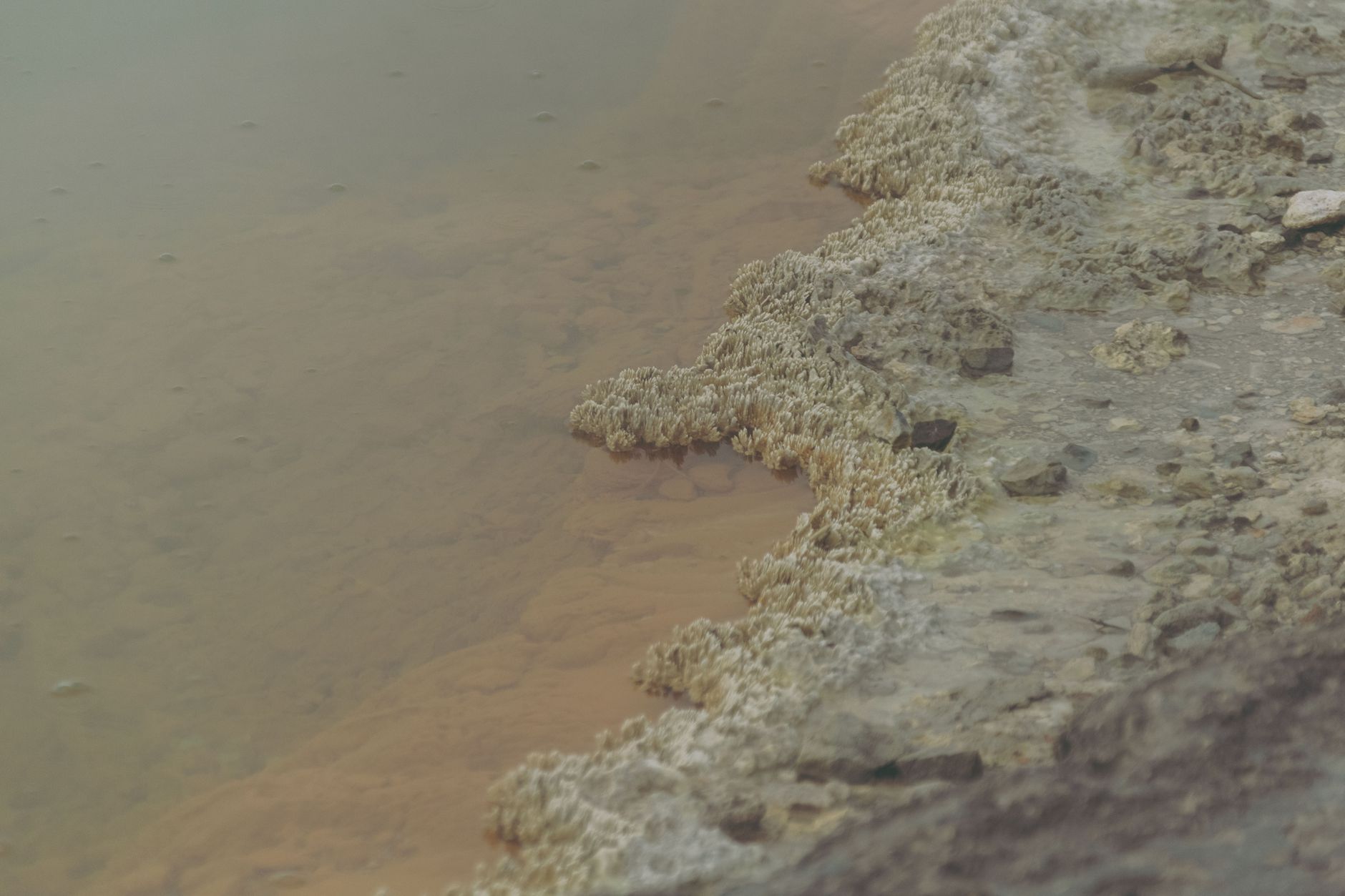
Ourense’s name derives from the Latin ‘Aquae Urentes’ (burning waters), and the city has been shaped by its thermal springs for over two thousand years. Las Burgas, three fountains gushing near-boiling mineral water right in the historic centre, are the most visible reminder, but the real experience is downriver: free, open-air thermal pools set directly into the banks of the Miño. Soaking in warm water while the river runs cold beside you, often with locals rather than tourists, is a genuinely distinctive way to experience a Spanish city.
What to Do in Ourense
The old town rewards slow wandering: arcaded stone plazas, the Cathedral of San Martiño with its polychrome Pórtico do Paraíso, and narrow streets that open unexpectedly onto small squares full of tapas bars. Cross the Roman bridge (Ponte Vello), rebuilt in the 13th century on ancient foundations, for views back over the city and river. Beyond the centre, the thermal complexes at Outariz and A Chavasqueira offer landscaped pools and riverside walking paths that make a half-day outing on their own.
Character and Who It Suits
Ourense has a working, lived-in feel rather than a polished tourist one; menus are still mostly in Galician and Spanish, and evening life revolves around wine bars rather than souvenir shops. It suits travellers who want to slow down, curious about Galicia beyond Santiago and the coast, food-and-wine enthusiasts, and anyone drawn to thermal wellness without the spa-resort price tag. It’s less suited to those wanting nightlife, beaches, or a checklist of major monuments.
Food and Local Wine
Ourense sits at the heart of the Ribeiro wine region, and its bars pour crisp local whites in traditional white ceramic bowls (cuncas) rather than glasses. Order pulpo á feira, empanada, or grilled river fish, and finish with orujo, the local pomace brandy. Food here leans hearty and unfussy, built for pairing with wine over long conversations rather than photographing for social media.
Festivals Worth Timing Your Visit Around
Ourense province hosts some of Spain’s most theatrical, least-known carnival traditions during Entroido (February/March), when villages like Laza, Verín and Xinzo de Limia fill with costumed ‘peliqueiros’ in cowbells and carved masks, an older, wilder version of carnival than the parades found elsewhere. In autumn, O Magosto (early November) celebrates roasted chestnuts and new wine in streets and squares across the city, a genuinely local tradition worth planning a trip around.
Getting to Ourense
The city is well connected by high-speed AVE train, with services from Madrid taking around 2.5 hours and from Santiago de Compostela around 30 minutes, making it an easy add-on rather than a remote detour. The nearest airports are Santiago de Compostela (roughly 1 hour by car) and Vigo (around 1.5 hours), both with regular flights from major Spanish and European cities. Driving is also straightforward via the A-52 motorway, useful for combining Ourense with wider Galician road trips.
Combine Ourense With
The Ribeira Sacra, a dramatic river canyon terraced with vineyards and dotted with medieval monasteries, starts less than 30 minutes away and is best explored by car or river cruise. Santiago de Compostela makes an easy rail day-trip for pilgrims and architecture lovers, while the Rías Baixas coastline (Vigo, Combarro, the Cíes Islands) adds a seafood-and-beach contrast around 90 minutes west.
Climate Through the Seasons
Spring (March-May) is mild and green, ideal for hiking the Ribeira Sacra before summer heat arrives. Summer (June-August) turns surprisingly hot for Galicia, often exceeding 30°C, making the riverside thermal pools and shaded old town especially welcome. Autumn (September-November) brings the grape harvest, cooler air and chestnut season, arguably the region’s most atmospheric time to visit, while winter (December-February) is cold and damp but pairs perfectly with the steaming thermal baths, a genuine off-season highlight.