What is the best time to visit Pontevedra?
The best time to visit is during spring (April to June) or early autumn (September), when the weather is mild and pleasant for exploring the old town. Summer is also popular but can be busier with tourists.
How do you get to Pontevedra?
Pontevedra has its own train station with regular connections to Vigo, Santiago de Compostela, and other major Galician cities. The nearest airport is Vigo-Peinador Airport, about 25 km away, offering both domestic and some international flights.
What are the must-see attractions in Pontevedra?
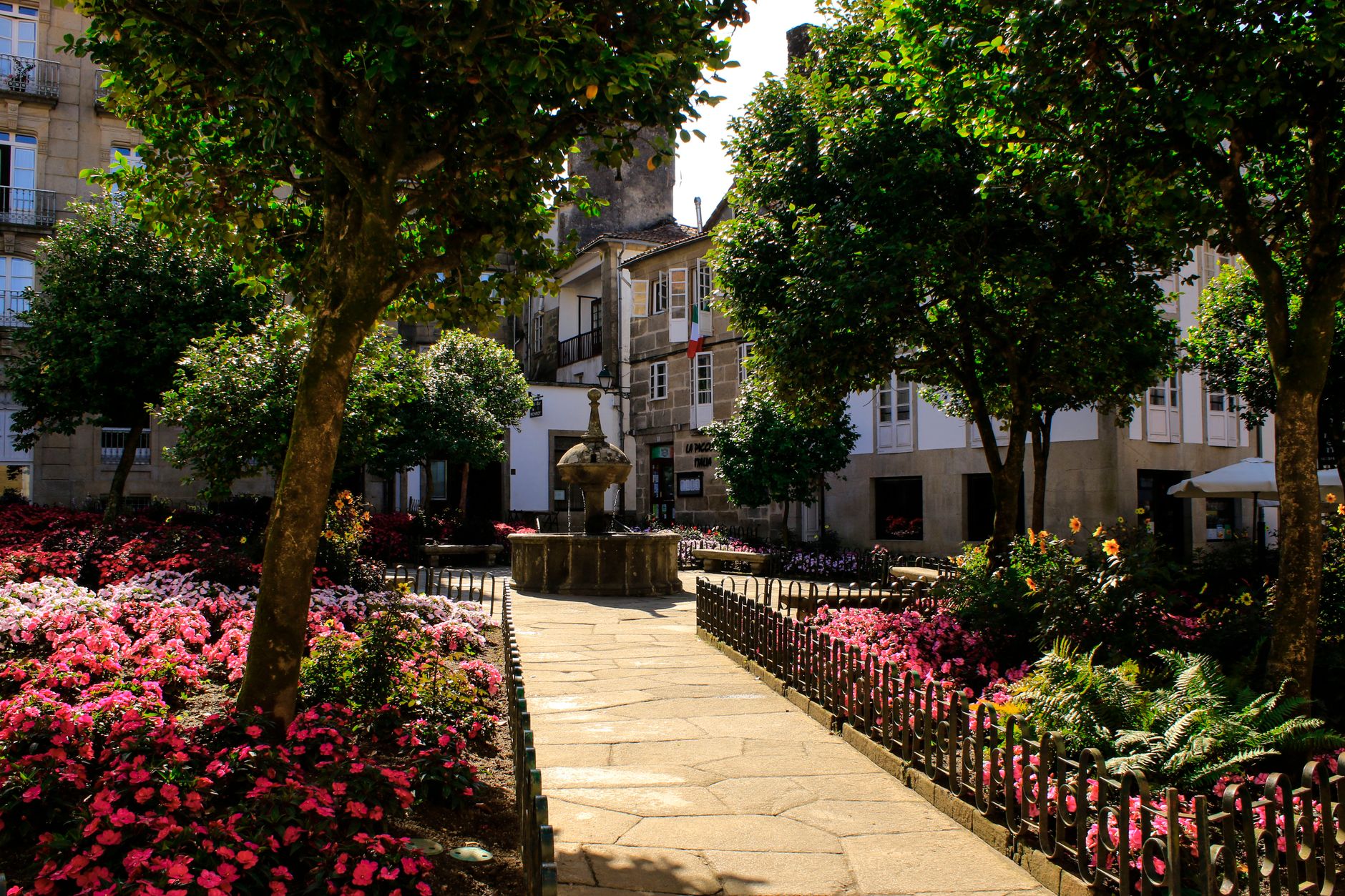
The historic old town, with its charming plazas like Praza da Ferrería and Praza da Leña, is the main highlight and is largely pedestrianized. The Basilica of Santa María la Mayor and the Museum of Pontevedra are also popular sites to visit.
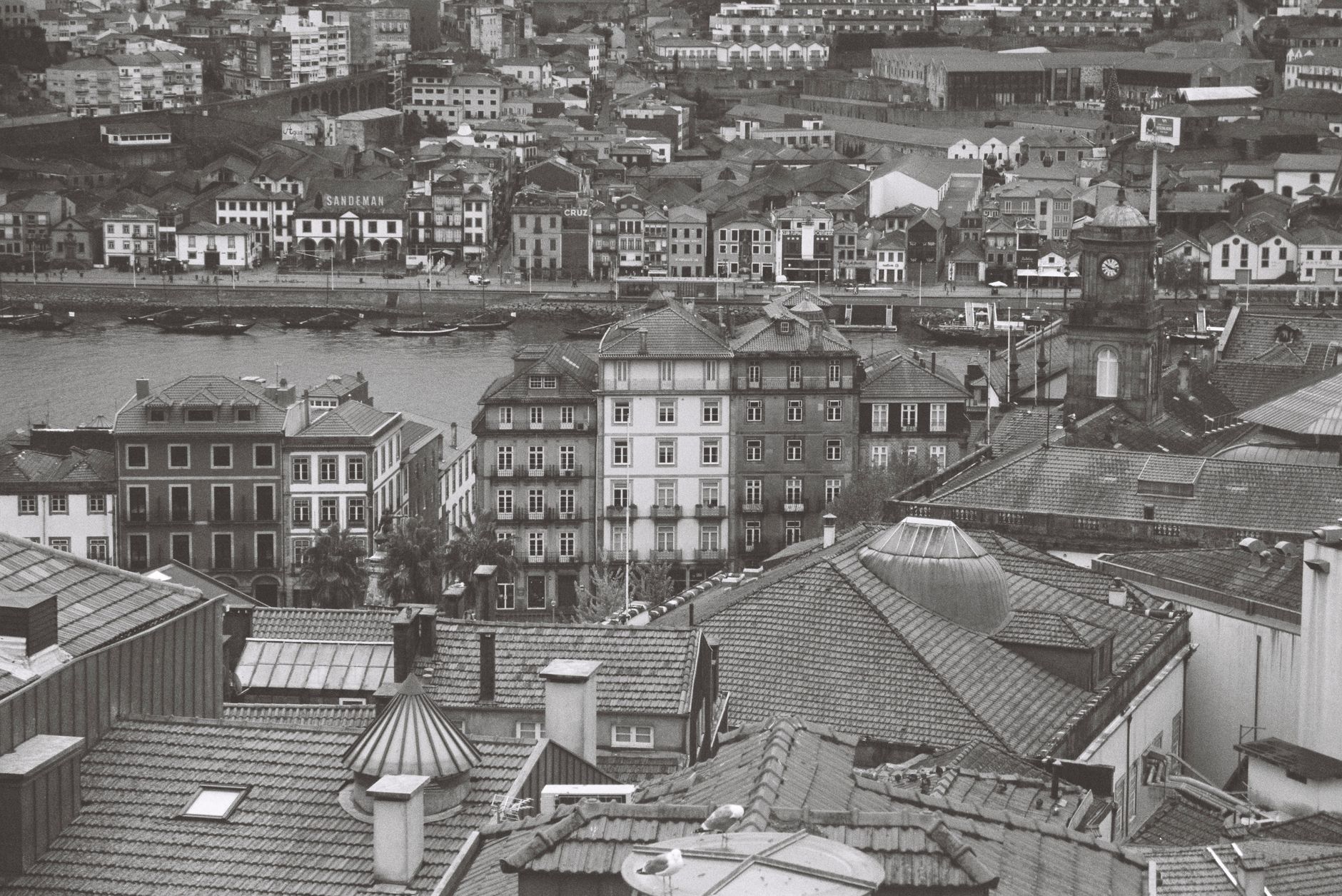
Tucked along the Lérez river in Galicia’s Rías Baixas region, Pontevedra is a city that rewards slow travel: no honking traffic, just stone arcades, hidden squares and locals lingering over wine at outdoor tables. Once a major medieval port that rivalled Vigo, it now offers something rarer in Spain, a compact historic centre almost entirely closed to cars, making it ideal for wandering without an itinerary.
A City Made for Walking
Pontevedra’s old town is one of the largest pedestrianised centres in Spain, and it shows in the unhurried pace of daily life here. Start at Praza da Ferrería, ringed by cafés and the scallop-shaped Igrexa da Peregrina, then drift through Praza da Leña, framed by traditional glassed-in galerías, on your way to the Ruínas de Santo Domingo. The Museo de Pontevedra, spread across several connected buildings, holds an unexpectedly rich collection covering everything from Celtic jewellery to maritime history, all free to enter.
From Roman Bridge to Maritime Power
The city’s name derives from Pons Vetus, the ‘old bridge’ the Romans built over the Lérez, parts of which survive within the current Ponte do Burgo. By the Middle Ages, Pontevedra had become Galicia’s busiest port, exporting wine and salted fish across Europe, before silting rivers and Vigo’s rise shifted trade away and left the old town remarkably intact. That quieter, overlooked history is exactly what gives Pontevedra its authentic, lived-in character today, rather than a city dressed up for visitors.
Albariño, Seafood and Local Flavour
This is Albariño country, and Pontevedra sits right at the heart of the Rías Baixas wine denomination, so a crisp glass paired with local mussels or octopus is standard practice here. Look out for pimientos de Padrón, the small green peppers grown just outside the city, blistered and salted as a classic tapa. Empanada de zamburiñas, a savoury pie filled with small scallops, is another dish worth seeking out in the old town’s traditional tabernas.
Festas da Peregrina
Every early August, Pontevedra transforms for the Festas da Peregrina, its biggest annual celebration, honouring the city’s patron saint with over a week of concerts, fireworks, giant papier-mâché figures known as gigantes y cabezudos, and packed outdoor terraces. Semana Santa also brings solemn religious processions through the granite streets, a quieter but equally atmospheric event. Both give visitors a genuine sense of Galician community life rather than a staged spectacle.
Who Pontevedra Suits
This city works best for travellers who want depth over ticked-off sights: food and wine lovers, history buffs, couples seeking a slower city break, and families who’ll appreciate streets with no traffic to dodge. It’s less suited to those chasing nightlife or beach resorts directly in town, though both are a short drive away. Independent travellers who enjoy discovering a destination on foot, without crowds, tend to leave the most impressed.
Getting to Pontevedra
Vigo-Peinador Airport is the closest, around 25 minutes away by car or bus, while Santiago de Compostela Airport, roughly an hour north, offers more international connections. Pontevedra also sits directly on the Renfe rail line linking Vigo and Santiago, with regular high-speed connections onward to Madrid, and the A-52/AP-9 motorways make driving in from either city straightforward. Once you’ve arrived, the old town itself is entirely walkable and best explored on foot.
Combine It With
Combarro, a fishing village famous for its granite hórreos perched over the water, is just 15 minutes away and one of the most photographed spots in Galicia. The beaches and wine bodegas of Sanxenxo and the wild Illa de Ons make for an easy coastal day trip, while Santiago de Compostela is close enough for a half-day visit to see the cathedral. Vigo, with its ferry connections and lively port scene, rounds out a well-balanced Rías Baixas itinerary.
Climate Through the Seasons
Spring (March-May) is mild and green but often wet, perfect for fewer crowds and blooming countryside. Summer (June-September) brings warm, comfortable days around 22-26°C with far less humidity than southern Spain, making it the most popular time to visit. Autumn (October-November) stays mild with increasing rain, ideal for wine harvest season, while winter (December-February) is damp and grey but rarely cold, hovering around 8-14°C.