What is the best time to visit Ferrol?
Late spring to early autumn (May to September) offers the mildest weather and the best chance of sunshine for exploring the city and coast. Summer also brings local festivals, though it can be busier with tourists.
How do you get to Ferrol?
Ferrol has its own train station with connections to A Coruña and other Galician cities, and the nearest airport is A Coruña Airport, about 45 minutes away by car. Buses also link Ferrol to major cities like Santiago de Compostela and Vigo.
What are the must-see attractions in Ferrol?
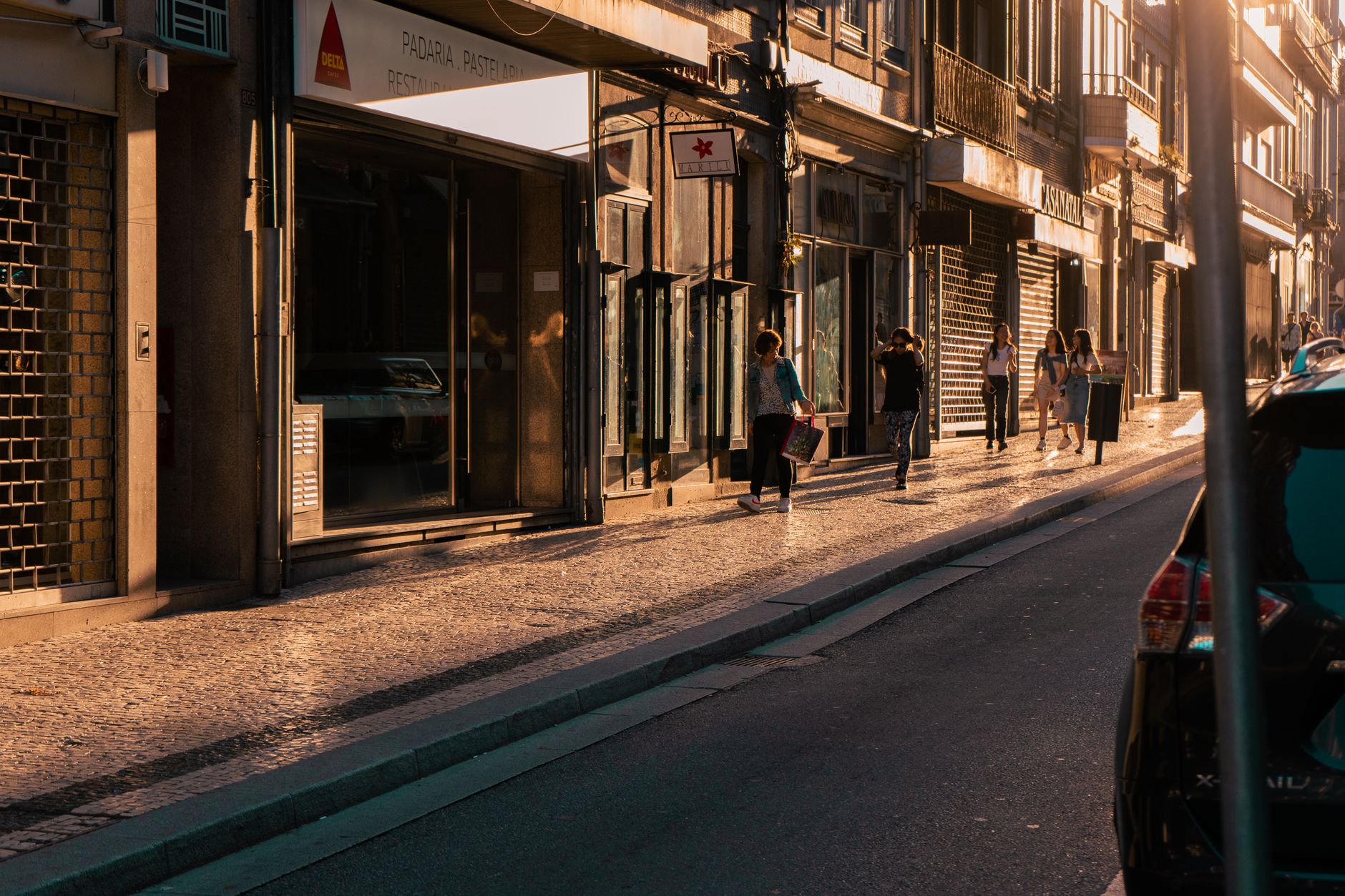
Highlights include the historic Naval Arsenal, the neoclassical Magdalena district with its grid-pattern streets, and the Castillo de San Felipe fortress guarding the harbor entrance. The city’s maritime heritage and waterfront promenade are also worth exploring.
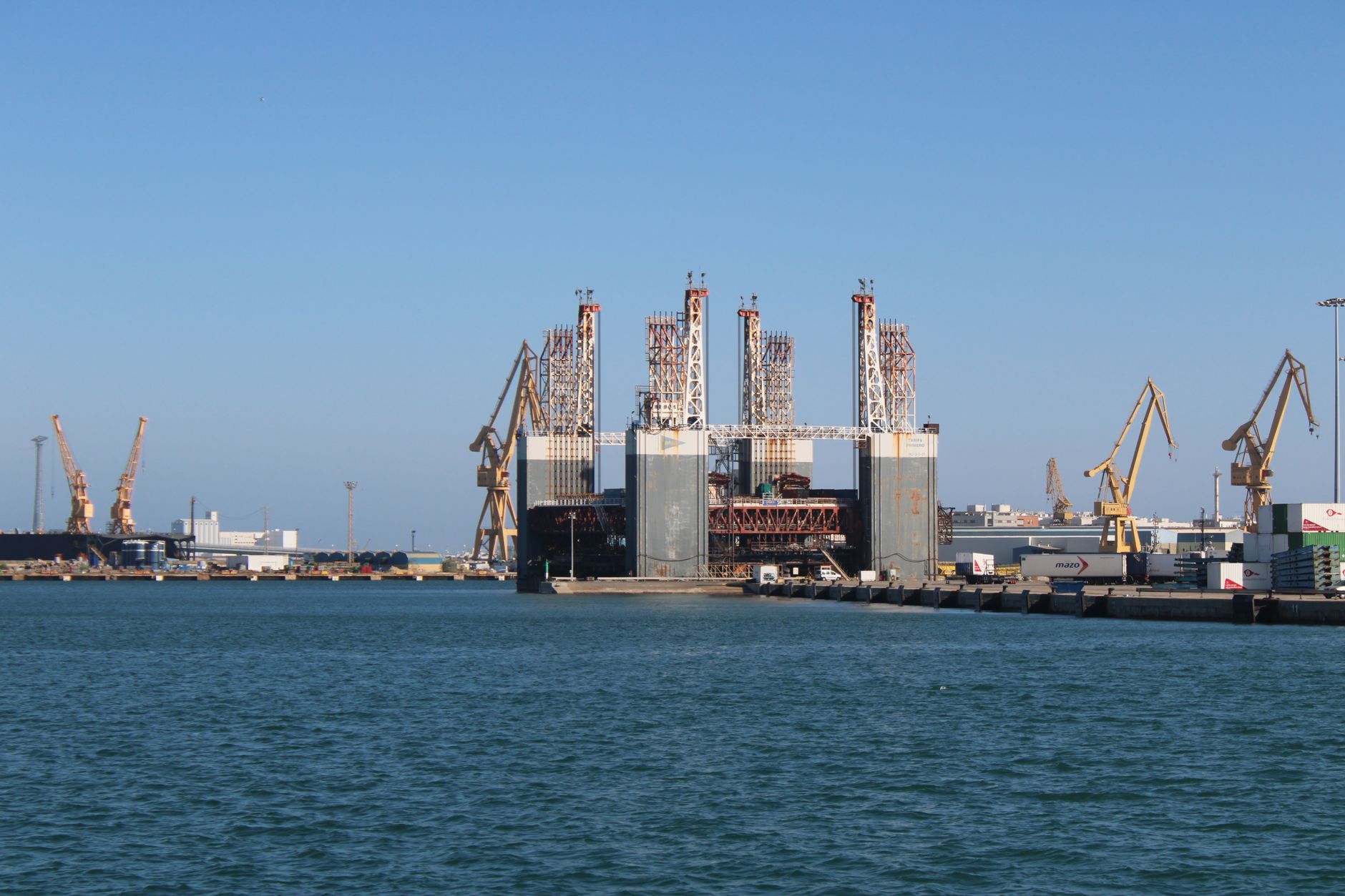
Ferrol is one of Galicia’s most overlooked cities, a working naval port whose elegant 18th-century core hides behind shipyards and cranes. It rewards visitors who want real Galicia rather than a postcard version: austere architecture, strong maritime identity, and some of the Rías Altas’ emptiest beaches only minutes away.
A City Built by the Navy
Ferrol’s identity was shaped in the 1700s, when King Charles III transformed a modest fishing village into one of Spain’s principal naval bases. The result is A Magdalena, a strict neoclassical grid of glassed-in galleries and wrought-iron balconies, still one of the best-preserved 18th-century urban ensembles in Spain. Wander here for architecture rather than monuments: the whole quarter, not a single building, is the attraction. History enthusiasts will also note this is the birthplace of Francisco Franco, a fact still visible in local street names and old barracks now open for visits.
Coastline Without the Crowds
Just outside the city, Ferrol opens onto the Costa Ártabra, a stretch of Atlantic coast far quieter than Galicia’s better-known rías. Playa de Doniños is a long, dune-backed surf beach popular with locals rather than tourists, while nearby Valdoviño and Cedeira offer smaller coves ringed by cliffs and pine forest. Inland, the Fragas do Eume protects one of the last major Atlantic forests in Europe, a deeply green, mist-heavy landscape worth a half-day detour.
Carnival, Holy Week and Everyday Tapeo
Ferrol’s Entroido (Carnival), held in February or March, is one of Galicia’s liveliest and most satirical, with costumed parades mocking local politics and public figures. Its Semana Santa processions, meanwhile, are among the most solemn and respected in northern Spain, drawing visitors specifically for the atmosphere rather than the destination itself. Outside festival dates, the daily rhythm revolves around tapeo in the Magdalena bars, where a glass of Ribeiro wine comes with unpretentious plates of pulpo, empanada gallega or fresh percebes depending on the season.