What is the best time to visit Combarro?
Late spring to early autumn (May to September) offers the best weather for exploring the waterfront and horreos. Summer is busiest, so visiting in May, June or September helps avoid the largest crowds.
How do you get to Combarro?
Combarro is located in the Rias Baixas area of Galicia, about 25 minutes by car from Pontevedra and around 1 hour from Vigo or Santiago de Compostela airports. Regular bus services also connect Combarro to Pontevedra, from where onward regional transport is available.
What are the main things to see and do in Combarro?
Combarro is famous for its granite horreos (traditional granaries) built right along the seafront, as well as its stone cruceiros (wayside crosses) and narrow, picturesque streets. Visitors typically stroll the old fishing quarter, sample fresh seafood, and enjoy views over the Ria de Pontevedra.
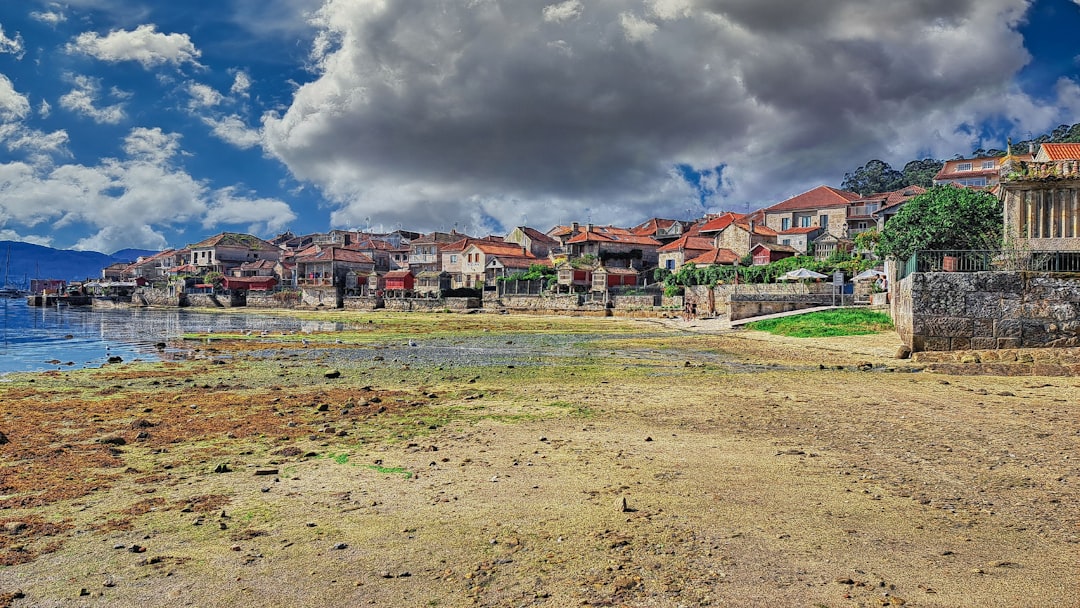
Combarro is a tiny granite village on the Ría de Pontevedra where stone granaries stand on the rocks and the sea sets the rhythm of daily life. It’s one of Galicia’s most photographed spots, yet it remains an unhurried, lived-in fishing community rather than a staged attraction. A holiday here means slow walks, fresh seafood, and long views over the water.
A Village Built From Granite and Salt
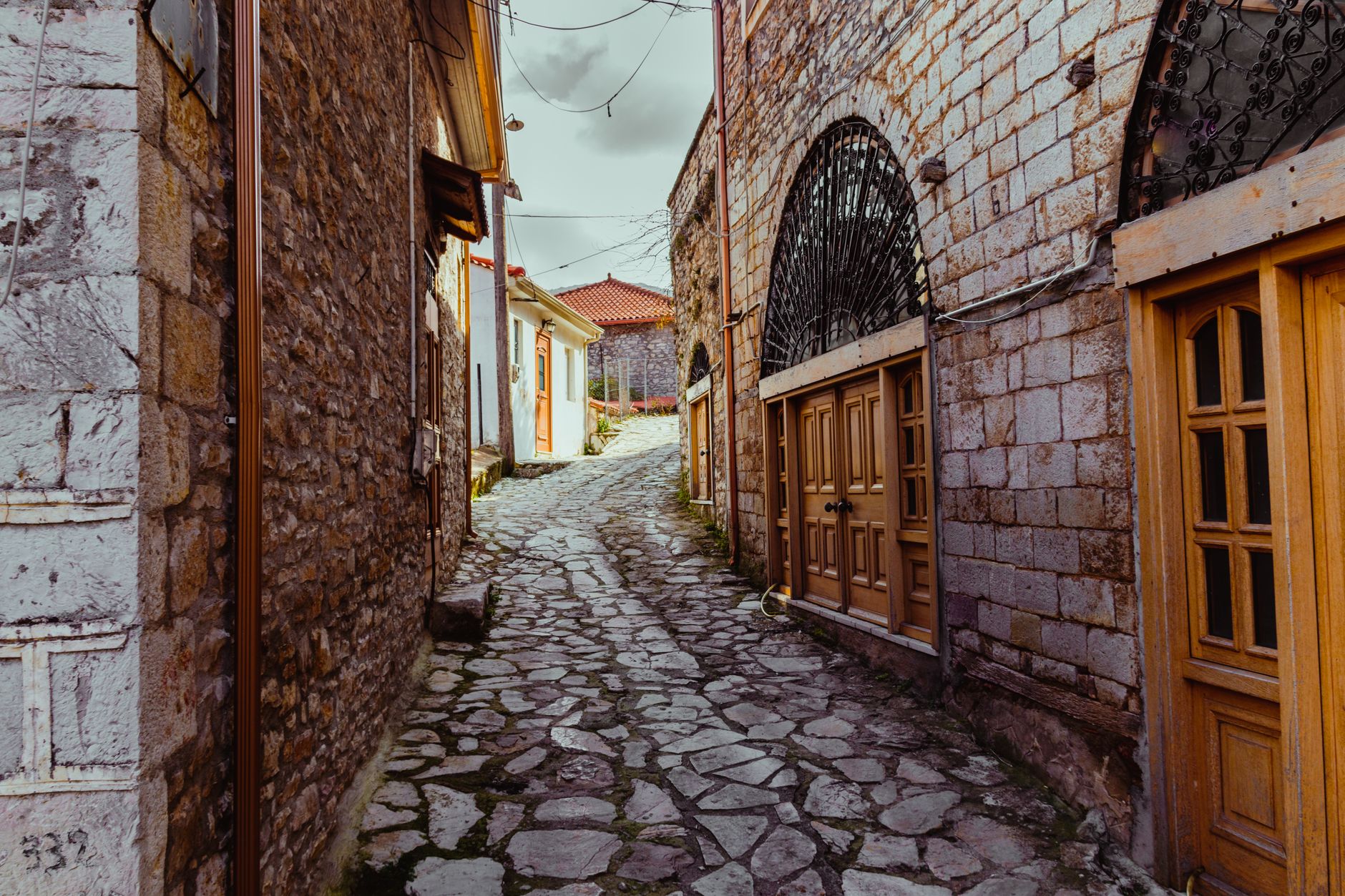
Combarro’s old quarter is a maze of narrow stone streets, tucked between the ría and steep hillside gardens, where 18th-century fishermen’s houses still stand with their wooden balconies. What sets the village apart are its hórreos, the raised granite granaries traditionally used to store corn, some of which sit directly on the rocks along the shoreline, exposed to the tide twice a day. Scattered among the houses are cruceiros, carved stone crosses that once marked the boundaries between the living and the dead, adding a quietly devotional layer to the village’s character.
Things to Do in Combarro
Walking the waterfront path past the hórreos at low tide is the essential Combarro experience, best done early morning or at sunset when the light hits the granite. From the small harbour, boat trips head out onto the Ría de Pontevedra for views of mussel rafts and the wider estuary, and it’s an easy paddle or kayak launch point for calmer waters. Inland, a short climb through the village’s stone gardens and chapels rewards you with views back over the rooftops and the sea beyond.
Seafood and the Rhythm of the Ría
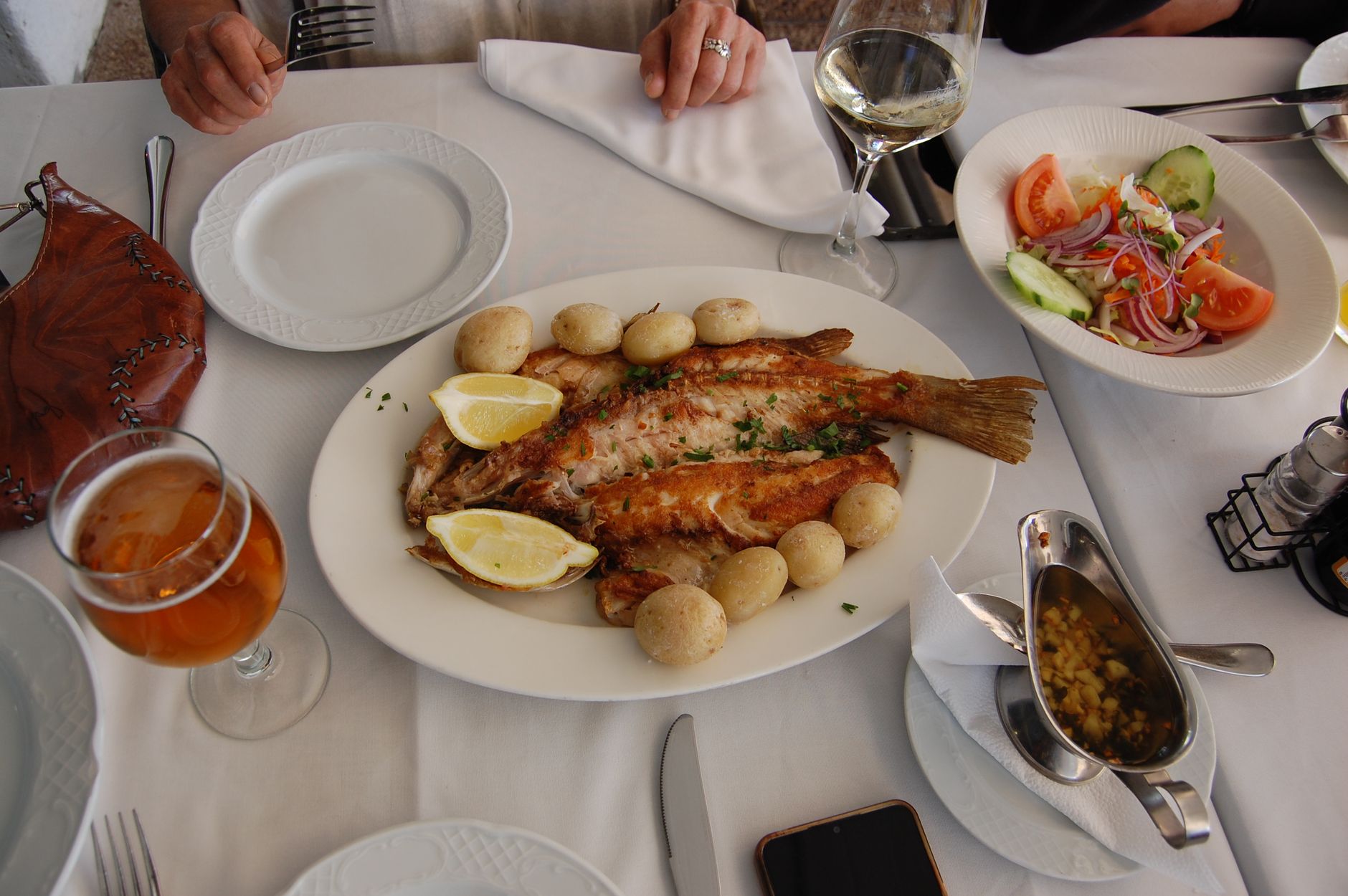
Combarro’s small taverns serve what the ría provides that day: percebes (goose barnacles), razor clams, octopus, and mussels pulled from the rafts you’ll have seen from the boat. Pair it with a chilled glass of Albariño, the crisp white wine of the neighbouring Rías Baixas region, at one of the harbourside terraces where tables spill almost onto the rocks. Meals here move at the pace of the tide, not the clock, which is very much the point.
Who Combarro Suits
This is a destination for travellers who want slow, atmospheric coastal Spain rather than nightlife or resort infrastructure: couples, photographers, and anyone drawn to quiet fishing villages with real history. It works well as a base for a few relaxed nights or as a day-trip highlight from Pontevedra or Sanxenxo. Families with older children who enjoy walking and boat trips will find plenty to do, though those wanting big beaches and lively evenings should look to nearby Sanxenxo instead.
Festa do Carme: A Village Tradition
In mid-July, Combarro celebrates the Fiestas del Carmen, honouring the patron saint of fishermen and sailors. A statue of the Virgen del Carmen is carried through the streets and out onto the water in a flotilla of decorated boats, followed by music, fireworks, and communal seafood suppers along the harbour. It’s a genuine local celebration rather than a tourist spectacle, giving visitors a real sense of the village’s maritime identity.
Getting to Combarro
The nearest airports are Vigo and Santiago de Compostela, both around 45 minutes to an hour’s drive away, making a rental car the most practical option for reaching Combarro and exploring the surrounding Rías Baixas coastline. Trains and buses connect Santiago and Vigo to Pontevedra, from where Combarro is a short taxi or local bus ride (around 15-20 minutes). Once there, the village itself is entirely walkable and best explored on foot.
Combine Combarro With
Pontevedra, just a short drive away, offers an elegant historic centre and is easily paired with Combarro for a day trip. Sanxenxo brings sandy beaches and a livelier seaside atmosphere, while O Grove and the thermal island of A Toxa add spa culture and more seafood specialities. For a longer itinerary, combine Combarro with the Rías Baixas wine route for Albariño tastings, or extend north to Santiago de Compostela for its cathedral and pilgrim history.
Climate Through the Seasons
Spring brings mild, often rainy days and green landscapes, ideal for walking without the crowds. Summer (June to September) is warm but tempered by Atlantic breezes, with average highs around 24-26°C, making it the most popular and busiest season. Autumn turns mellow and atmospheric with fewer visitors, though rain becomes more frequent, while winter is mild by northern European standards but notably wet, with the granite streets often glistening from Galicia’s characteristic drizzle.