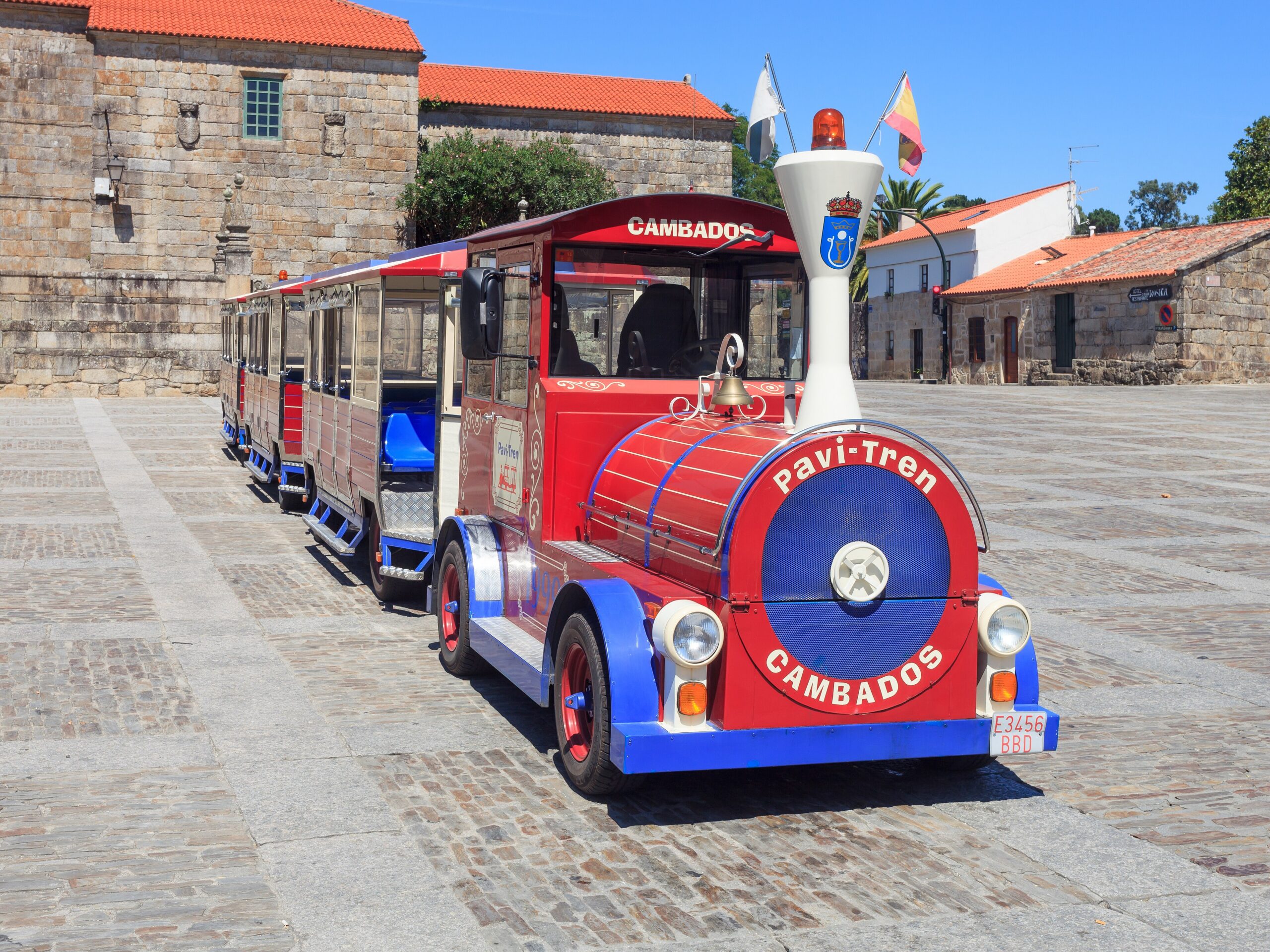
Wat is de beste tijd om Cambados te bezoeken?
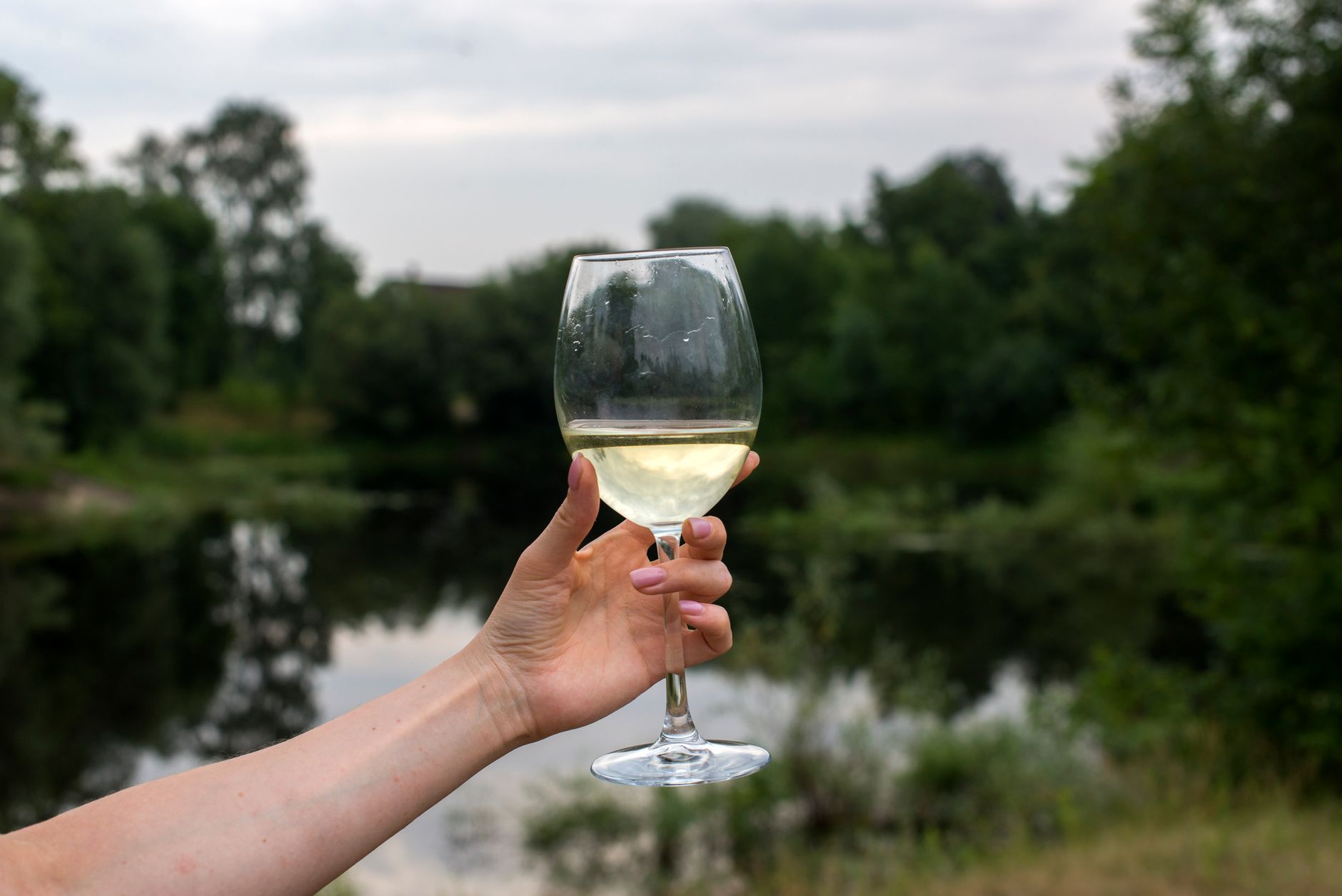
De beste periode is van mei tot september, wanneer het weer aangenaam is en de jaarlijkse Festa do Albariño (begin augustus) plaatsvindt. Dit wijnfestival viert de beroemde lokale Albariño-wijn en trekt veel bezoekers.
Hoe kom je in Cambados aan?
De dichtstbijzijnde luchthaven is die van Vigo of Santiago de Compostela, van waaruit je met de bus of auto in ongeveer 45 tot 60 minuten in Cambados bent. Er is geen treinstation in Cambados zelf, dus een huurauto of busverbinding is de meest praktische optie.
Wat zijn de belangrijkste bezienswaardigheden in Cambados?
Mis het historische Plaza de Fefiñáns niet, een van de mooiste pleinen van Galicië, en bezoek een lokale bodega voor een Albariño-wijnproeverij. De ruïne van de Santa Mariña Dozo-kerk en de kustpromenade zijn ook zeker een bezoek waard.
Cambados is a small fishing-town-turned-wine-capital on Galicia’s Rías Baixas coast, where granite mansions overlook rows of trellised vines running down to the sea. It’s an unhurried, deeply local kind of Spanish holiday destination, better suited to slow exploring than checklist sightseeing. Come for the Albariño wine, the seafood, and a coastline that feels far removed from the crowds of the Costas.
A Wine Town With Medieval Roots
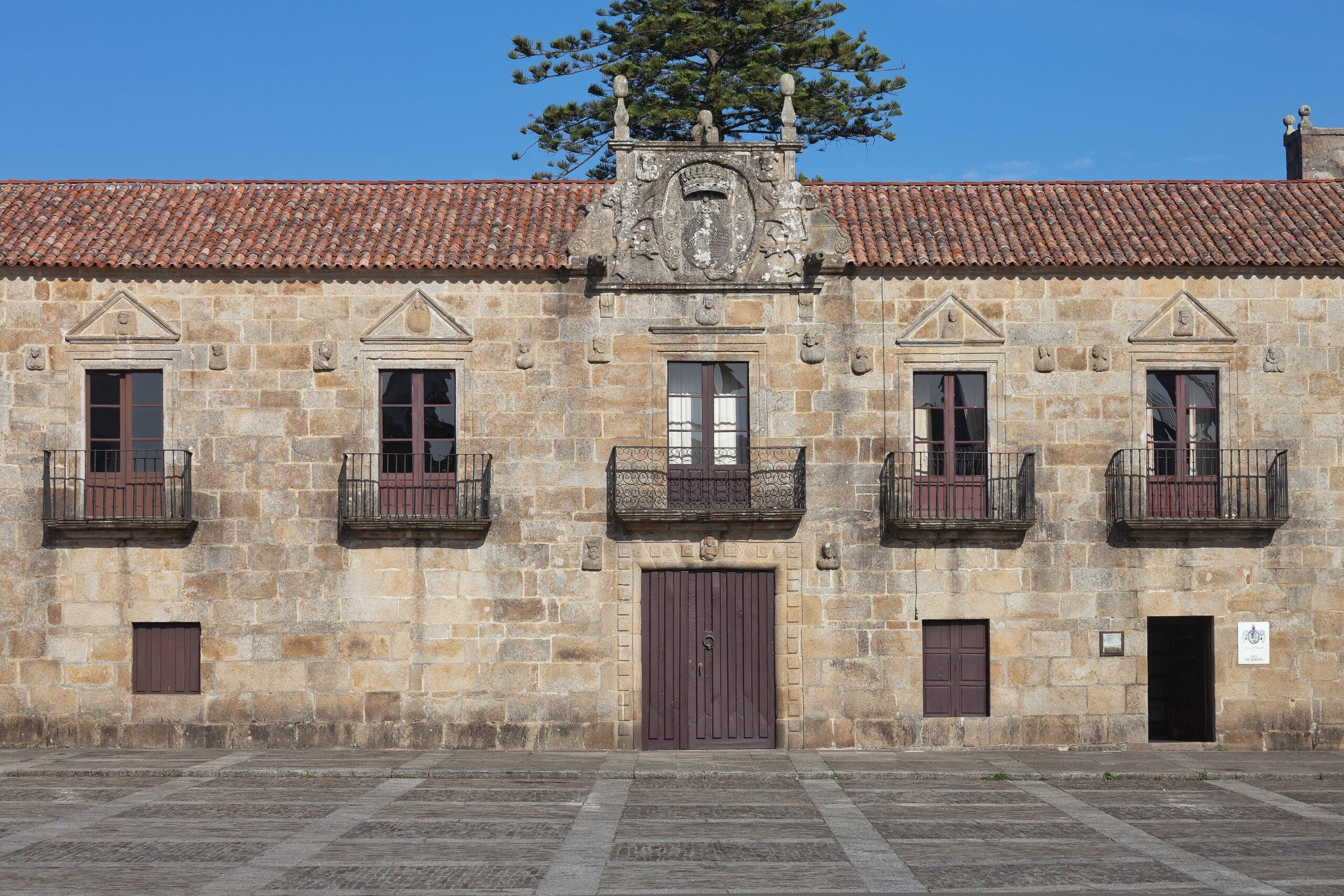
Cambados grew wealthy from fishing and salt in the Middle Ages, and its old quarter still shows that history in weathered stone pazos (manor houses), a ruined 16th-century church, and coats of arms carved above doorways. The town later became the unofficial capital of Albariño wine production, and today the two identities – maritime and viticultural – shape everything from its architecture to its restaurant menus. Unlike the busier Rías Baixas resorts, Cambados never lost its working character, so visitors get authenticity rather than a purpose-built tourist strip.
Things to Do in Cambados
Start at Praza de Fefiñáns, one of Galicia’s most photogenic squares, flanked by a Renaissance-era pazo and a Romanesque church, with an Albariño bodega built right into the plaza itself. Walk the old town’s narrow lanes to the ruined Igrexa de Santa Mariña de Dozo, an atmospheric roofless church now overgrown and used for open-air events. For sea views, climb to the A Pastora watchtower or walk along the Paseo de Cambados promenade at sunset, when the Ría de Arousa turns copper-coloured. Boat trips to nearby Isla de Tambo, and short drives to the beaches around O Grove and A Lanzada, round out an easy, low-key itinerary.
Albariño Wine and Atlantic Seafood
This is the heartland of Albariño, Spain’s best-known white wine, and Cambados is dotted with family-run bodegas offering tastings alongside their own vineyard views. Pair it with the local seafood: the Ría de Arousa produces prized mussels, oysters and percebes (goose barnacles), and no visit is complete without a plate of pulpo á feira or grilled turbot at a harbourside marisquería. Meals here run long and unhurried, in keeping with Galicia’s relaxed approach to eating and drinking.
Festa do Albariño
Held over the first weekend of August, the Festa do Albariño is Cambados’ biggest event and one of Galicia’s most important wine festivals, running since 1953. Expect the old town filled with stalls pouring local wine, live folk music, seafood tastings, and a lively, unpretentious atmosphere that draws visitors from across Spain. Booking accommodation well ahead is essential if your holiday coincides with festival dates.
Getting to Cambados
Vigo Airport is the closest, around 35 km south, with Santiago de Compostela Airport roughly 60 km away and better connected internationally. From either, a hire car is the most flexible option, though regional buses and trains (via nearby Vilagarcía de Arousa) also connect Cambados to Santiago, Pontevedra and Vigo. Driving lets you combine the trip with detours along the Rías Baixas coast at your own pace.
What to Combine Cambados With
Cambados pairs naturally with O Grove and the spa island of A Toxa for beaches and thalassotherapy, and with Pontevedra, a compact, well-preserved historic city just 25 minutes away. History-focused travellers often add Santiago de Compostela, an hour’s drive north, to combine wine country with the cathedral city that ends the Camino de Santiago. For a longer Galician holiday, the wider Rías Baixas coastline offers a string of quieter fishing villages worth exploring by car.
Climate and When to Visit
Spring (March–May) is green and mild but rainy, ideal for vineyard visits without crowds. Summer (June–September) brings warm, dry days around 24–26°C, cooled by Atlantic breezes, and is peak season for beaches and the wine festival. Autumn (October–November) stays mild and is harvest season, with golden vineyards and fewer tourists. Winter (December–February) is wet and cool, rarely cold, and suits travellers who want an authentic, off-season look at Galician life.