What is the best time to visit Tui?
Spring (April to June) and autumn (September to October) offer mild temperatures ideal for exploring the old town and countryside. Summer is popular too, but can get warm and busier due to Camino de Santiago pilgrims passing through.
How do I get to Tui?
Tui is easily reached by car via the A-55 highway, about 25 minutes from Vigo, or by train, as it has its own railway station with connections to Vigo and Porto. If flying, Vigo Airport is the closest, roughly 30 km away.
What are the main things to do in Tui?
Visit the fortified Tui Cathedral for panoramic views over the Minho River and Portugal, and stroll through the historic old town with its granite streets and squares. Tui is also a key stop on the Camino Portugués, making it popular with pilgrims and hikers.
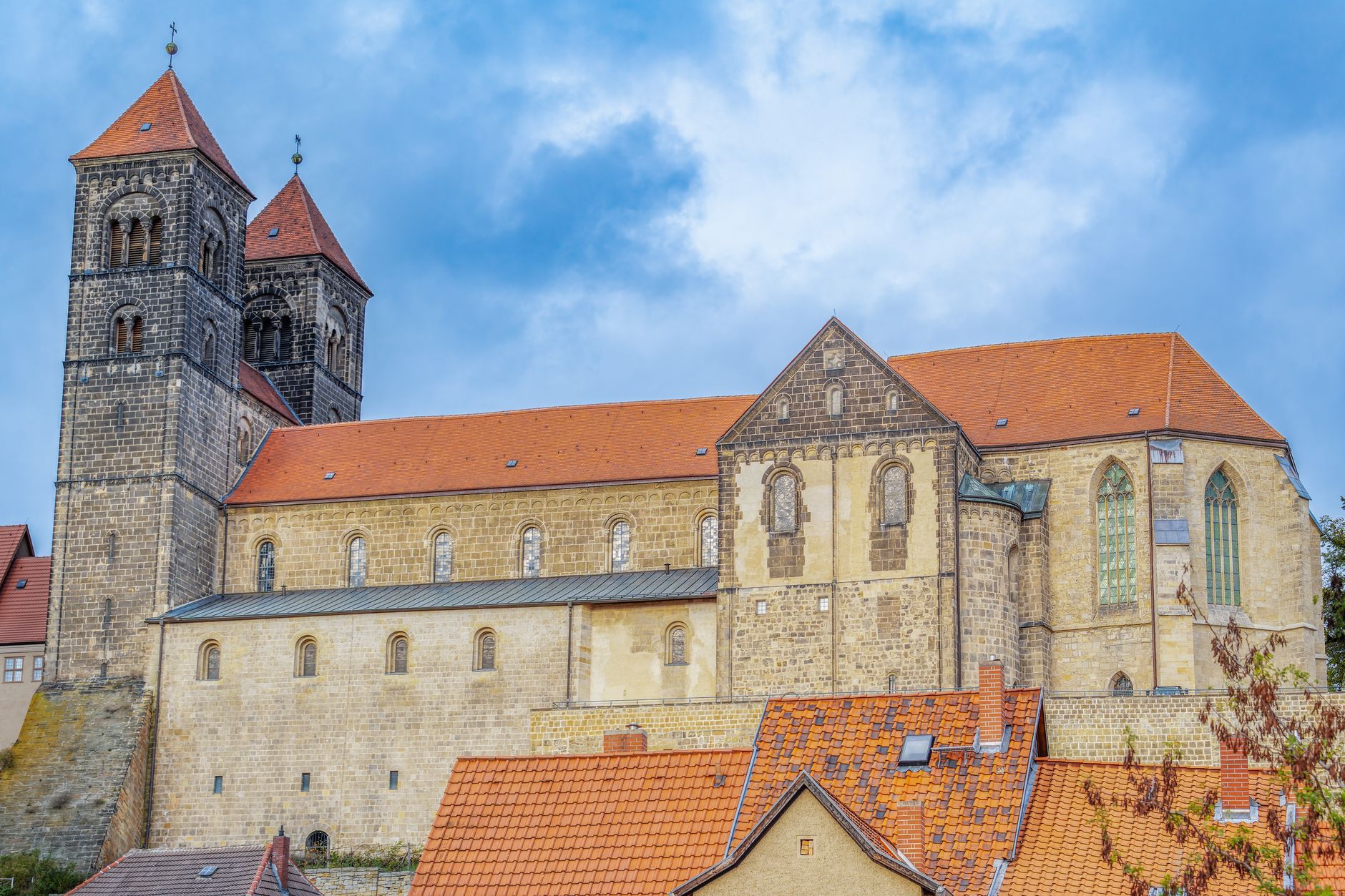
Perched on a granite hill above the Miño river, Tui is the kind of small Galician town that rewards travellers who like their history layered and their pace unhurried. It’s also a border town in the truest sense: cross the international bridge and you’re suddenly in Valença, Portugal, without a single checkpoint in sight.
What to See and Do in Tui
Tui’s Catedral de Santa María dominates the skyline, a rare Romanesque cathedral built with defensive battlements and arrow slits rather than delicate spires, a reminder of centuries spent guarding this frontier. Climb its tower for river views, then lose yourself in the tangle of medieval lanes below, where granite houses, coats of arms and quiet convents like Convento das Clarais tell the story of a once-fortified episcopal city. Tui is also a major waypoint on the Camino Portugués, so expect to share cobbled streets with pilgrims heading north to Santiago, and to find the town’s rhythm shaped by their arrivals and departures. Don’t skip the walk across the 1886 Eiffel-style international bridge into Valença; the round trip takes under an hour and gives you two countries in one afternoon.
The Vibe: Slow, Frontier, Unpolished
Tui feels lived-in rather than curated for tourists, with working bars, small grocers and a genuine local crowd mixed among the pilgrims. It suits travellers who enjoy history without crowds, who like the idea of walking between two countries before lunch, and who appreciate towns that haven’t been smoothed over for Instagram. Families, cultural travellers, Camino walkers and anyone road-tripping through Galicia’s Rías Baixas will feel at home here.
Getting to Tui
The nearest airport is Vigo, about 25 minutes away by car, with connections to major Spanish and some European cities. Porto Airport in Portugal is also a realistic option, roughly an hour’s drive south, and often has more international routes. Tui has its own train station on the Vigo–Porto line, making it an easy stop by rail if you’re travelling between Galicia and northern Portugal without a car.
Pairing Tui With the Region
Tui sits at the heart of the Rías Baixas Albariño wine country, so a short drive brings you to vineyards around O Rosal and Salvaterra do Miño for tastings of Galicia’s crisp white wine. The coastal towns of Baiona and A Guarda, both within 30 minutes, add fishing-village charm and Atlantic beaches to the itinerary, while Monte Aloia Natural Park offers hiking trails and panoramic views over the Miño valley. On the Portuguese side, Valença’s star-shaped fortress and the historic centre of Viana do Castelo make for an easy cross-border extension.
Local Flavours and Festive Traditions
Spring visitors should try lamprea do Miño, river lamprey cooked in its own blood-thickened sauce, a strong-flavoured delicacy tied to the river’s seasonal catch. Tui also marks Corpus Christi with elaborate flower carpets laid across the old town’s streets, a tradition shared with several Galician towns and worth timing a visit around if it falls during your stay. Wash it all down with a chilled glass of local Albariño at one of the terraces near the cathedral square.
Climate Through the Seasons
Spring brings mild temperatures and green landscapes, ideal for walking the Camino or exploring vineyards, though rain showers are common. Summer is warm and mostly dry, with pleasant evenings suited to outdoor dining, while autumn turns golden and slightly wetter, good for harvest season and fewer crowds. Winters are mild by Spanish standards but notably rainy, reflecting Galicia’s Atlantic climate, so pack layers and waterproofs even outside the coldest months.