What is the best time to visit Ribadavia?
Late spring (May-June) and early autumn (September) offer mild weather ideal for exploring the historic streets. If you enjoy wine culture, visit in August during the Fiesta de la Historia, which celebrates the region’s medieval and Jewish heritage alongside its famous Ribeiro wines.
How do I get to Ribadavia?
Ribadavia is best reached by car via the OU-540 or A-52 highway, roughly 30 minutes from Ourense. There are also regional train and bus connections from Ourense and Vigo, though a car offers more flexibility for visiting nearby vineyards.
What are the must-see attractions in Ribadavia?
Don’t miss the well-preserved Jewish Quarter (Judería), one of the best-maintained in Spain, and the imposing Castillo de los Sarmiento. The town is also the heart of the Ribeiro wine region, so a visit to a local bodega for wine tasting is highly recommended.
Tucked into the valley where the Avia meets the Miño river, Ribadavia is the kind of town that rewards travellers who bother to look beyond Santiago and the coast. Its compact medieval centre, one of Spain’s best-preserved former Jewish quarters, and the surrounding Ribeiro vineyards make it a rewarding stop for anyone curious about inland Galicia. This is a place for slow mornings, unhurried lunches and wine tasted where it’s actually made.
What to See and Do in Ribadavia
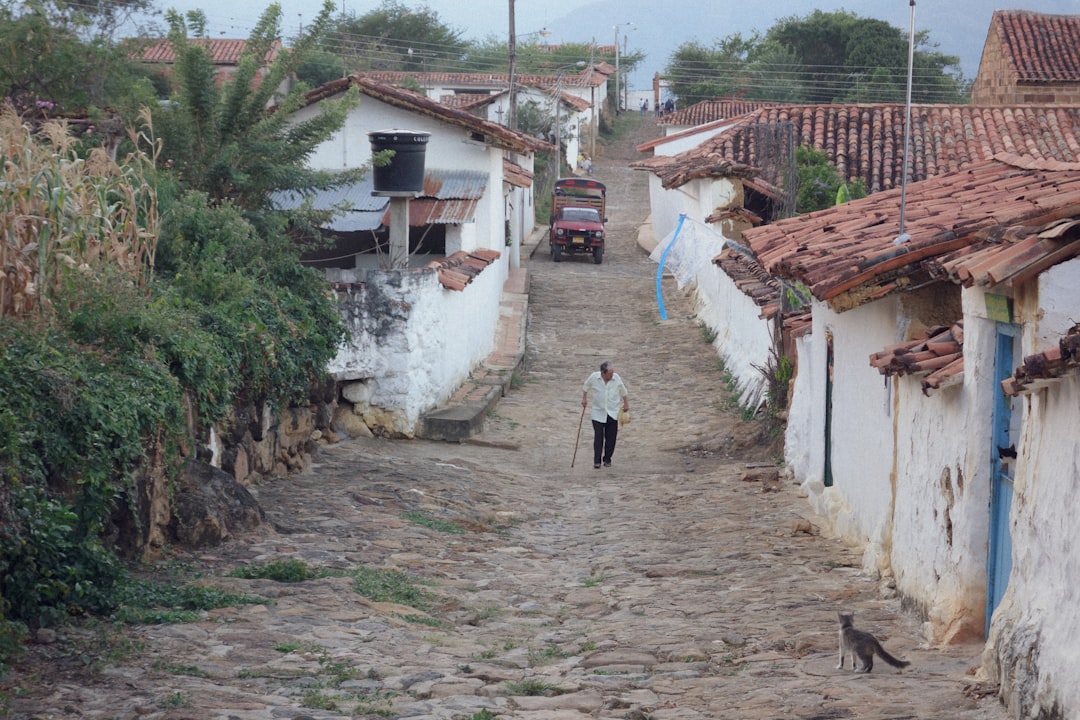
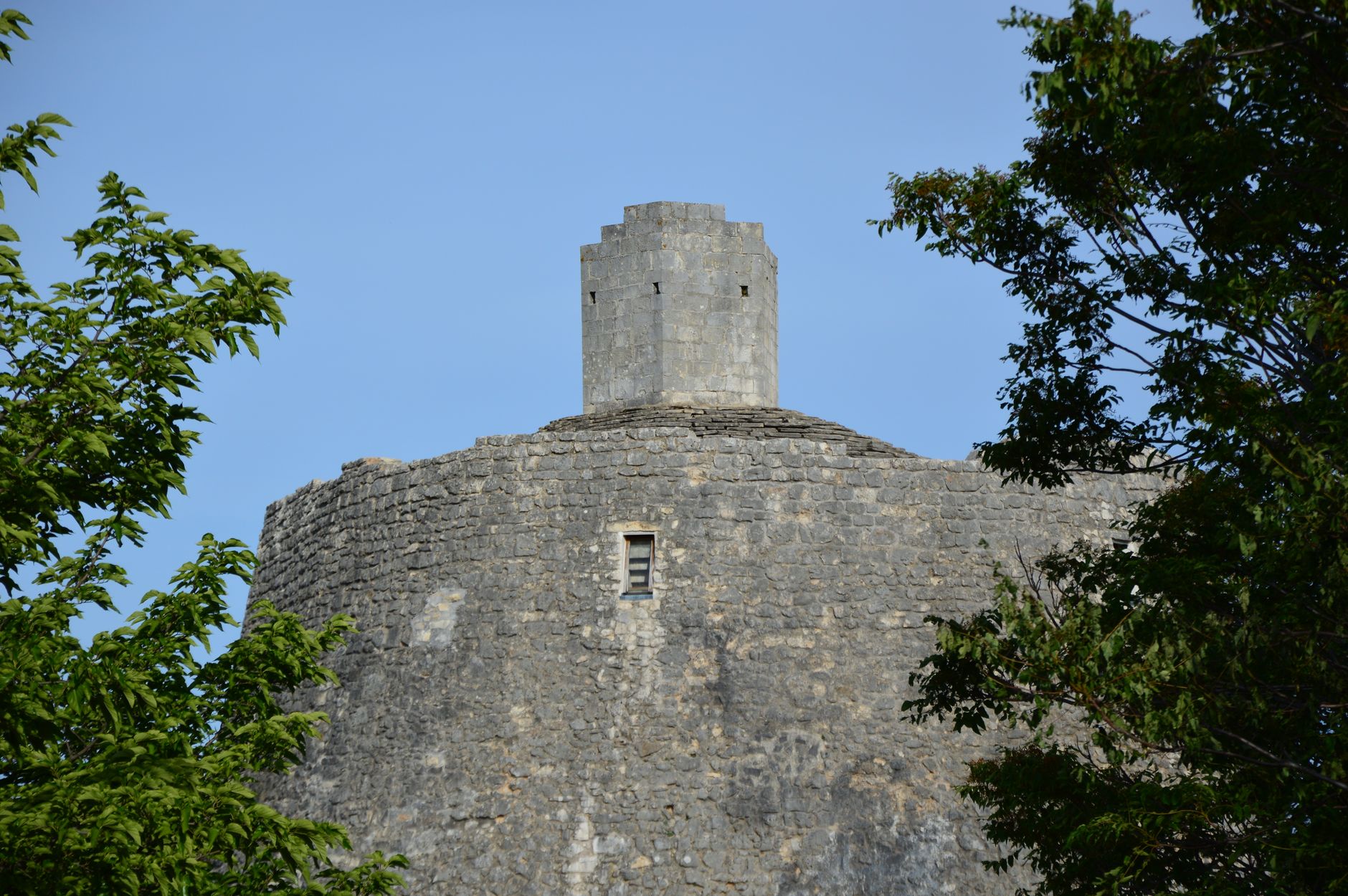
Start in the Casco Histórico, a warren of porticoed streets and stone houses that has survived largely unchanged since the Middle Ages, and seek out the Barrio Judío, once one of Galicia’s largest Jewish communities before the 1492 expulsion. The Castillo de los Sarmiento, a 12th-century fortress-palace, anchors the town’s skyline and hosts the small archaeological museum. Wine lovers should head straight for a Ribeiro bodega tour, since this Denominación de Origen predates most Spanish wine regions and the local white wines are still served the traditional way, in wide ceramic cups called cuncas.
The Vibe: Unpolished and Genuinely Local
Ribadavia moves at its own pace: shopfronts close for long lunches, elderly neighbours chat in doorways, and there’s rarely a tour group in sight outside of festival weeks. It suits independent travellers, wine enthusiasts and anyone drawn to layered history rather than curated attractions. Families and young party-seekers will find little nightlife here, but those craving an authentic, low-key slice of rural Galicia will feel right at home.
Festa da Istoria and the Rhythm of the Year
Every August, usually the last weekend, the town stages the Festa da Istoria, when residents dress in medieval and Renaissance costume, market stalls sell period food and crafts, and the streets fill with music and street theatre recreating Ribadavia’s Jewish, Christian and Muslim past. It’s one of Galicia’s most atmospheric historical reenactments and draws visitors from across the region without ever feeling overrun. Outside festival time, the town’s rhythm is quieter, built around wine harvests in September and calm weekend markets.
Getting to Ribadavia
Ribadavia sits on the Ourense-Vigo railway line, making it an easy day trip or short stay by train from either city, with journeys typically under an hour. By car, it’s about 30 minutes from Ourense and under an hour from Vigo airport, via the OU-540 and N-120. There’s no direct long-haul access, so most visitors combine a flight into Santiago de Compostela, Vigo or Porto with a rental car or regional train.
Combine It With
Ribadavia pairs naturally with Ourense, 25 minutes away, known for its thermal springs and lively tapas scene, and with the wider Ribeiro wine region’s smaller villages for cellar visits. Heading south, the Portuguese border and Porto are within a two-hour drive, making a cross-border wine-and-city itinerary easy to plan. Santiago de Compostela and the Rías Baixas coast also work well as bookends to a longer Galician road trip.