Wanneer is de beste tijd om Triacastela te bezoeken?
De beste periode is van mei tot september, wanneer het weer mild is en ideaal voor wandelaars op de Camino de Santiago. In juli en augustus kan het drukker zijn door pelgrims die het Franse pad naar Santiago volgen.
Hoe kom je in Triacastela aan?
Triacastela is vooral bereikbaar via de N-VI weg of lokale busverbindingen vanaf Lugo of Sarria, aangezien er geen treinstation in het dorp zelf is. Veel bezoekers arriveren te voet als onderdeel van de Camino de Santiago vanuit O Cebreiro.
Wat zijn de must-do activiteiten in Triacastela?
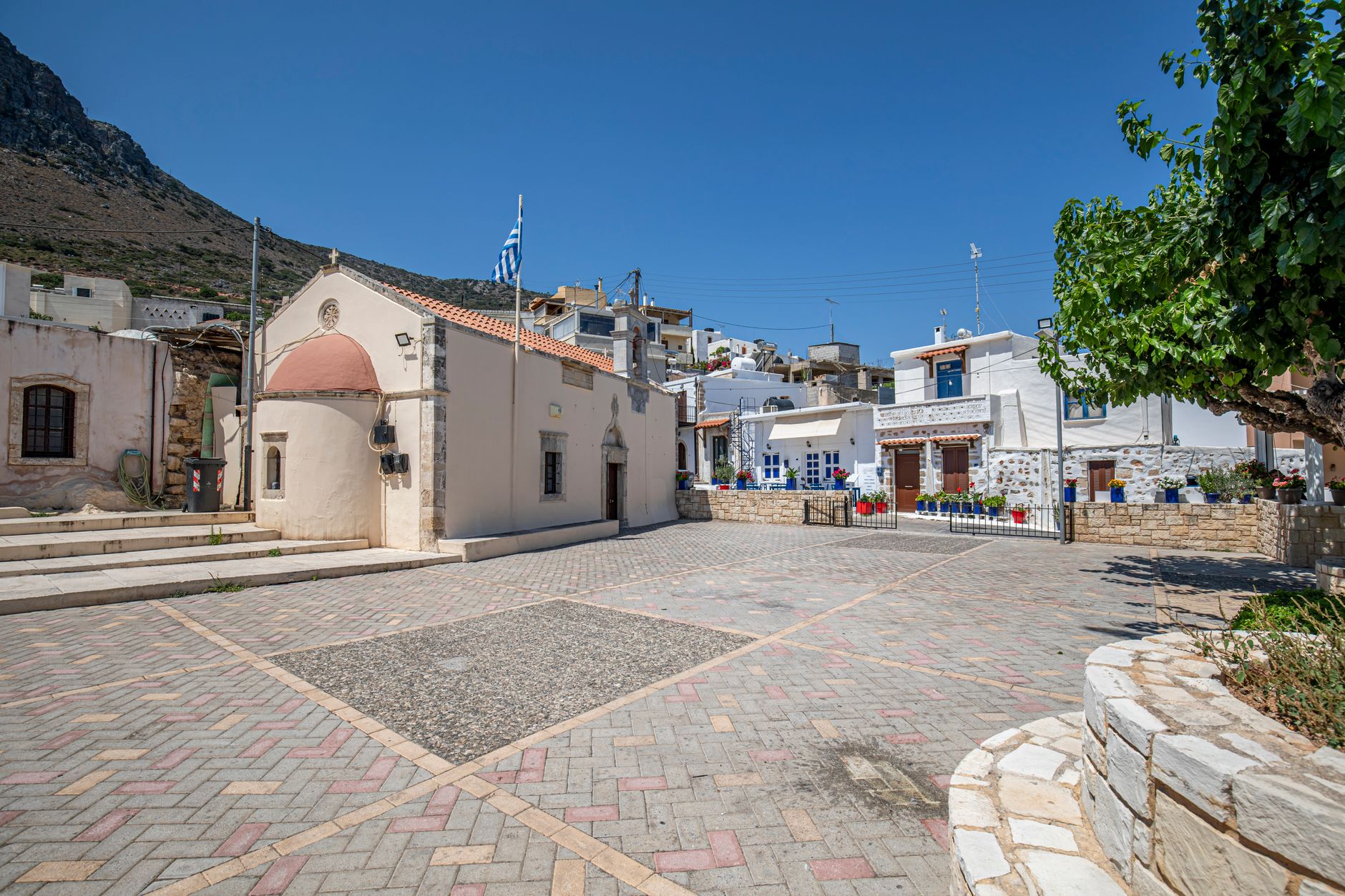
Bezoek de kerk Igreja de Santiago en wandel door de historische straten die deel uitmaken van de pelgrimsroute. De natuurlijke omgeving met groene heuvels en beekjes is perfect voor korte wandelingen buiten het dorp.
Tucked into a green valley in the mountains of Lugo province, Triacastela is the kind of place most travellers only pass through – and that’s exactly its charm. This small Galician village has welcomed pilgrims for over a thousand years, yet it remains refreshingly untouched by mass tourism, offering a genuine slice of rural Spain wrapped in chestnut woods and river mist.
A Village Built Around Two Ancient Routes
Triacastela’s name means ‘three castles’, a nod to a medieval fortress that once guarded this valley, though little physical trace remains today. Its real historical weight comes from the Camino de Santiago: medieval pilgrims famously carried limestone from here all the way to Castañeda to be burned into lime for building Santiago’s cathedral. From the village, walkers can choose between two onward paths to Sarria – one via the Benedictine monastery at Samos, the other through the quieter, wilder hills of San Xil – making Triacastela a genuine decision point on the trail rather than just another stop.
The Vibe: Slow, Green and Unpolished
This is not a place of curated boutiques or polished plazas; it’s a working village with a handful of stone houses, a river running through it, and hills that seem to breathe mist most mornings. It suits travellers who want to disconnect – hikers, pilgrims, and anyone drawn to rural landscapes over resort comforts. Those chasing nightlife or beach glamour should look elsewhere, but if slow mornings, birdsong and honest local life sound appealing, Triacastela delivers it without pretence.
Getting to Triacastela
The nearest airport is Santiago de Compostela, roughly two hours away by car, with A Coruña and Vigo as further alternatives for international flights. By train, Sarria is the closest well-connected station, from where local buses or a short taxi ride cover the remaining distance. Drivers can reach the village via the LU-633, a scenic mountain road that itself gives a preview of the green, folded landscape ahead.
Chestnuts, Cheese and Camino Fare
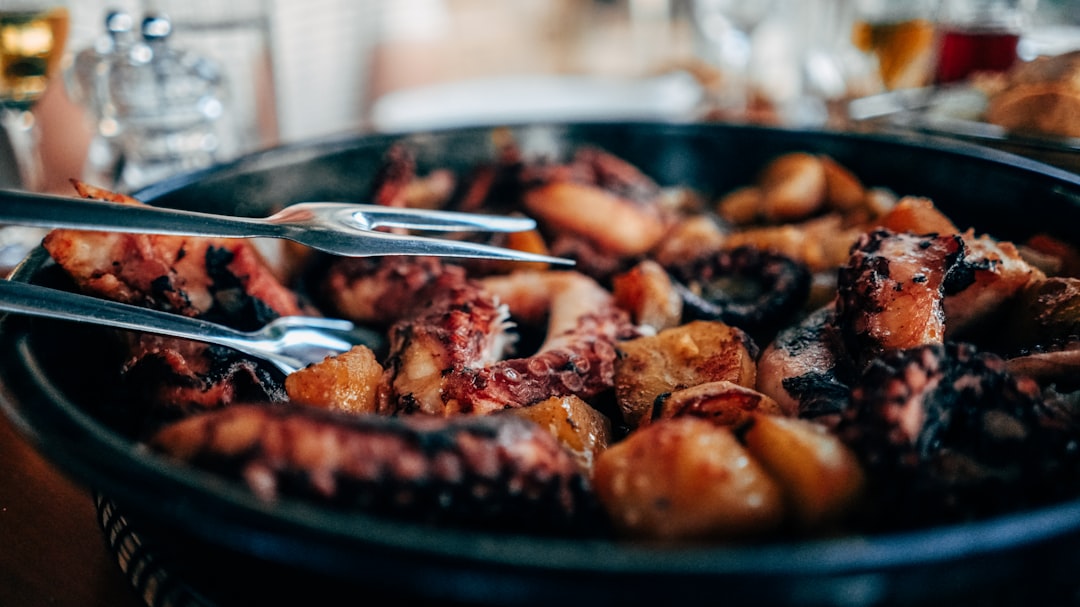
Galician cooking here leans hearty and seasonal: expect caldo gallego (a warming broth of greens, beans and potato), local queixo cheese, and octopus dishes borrowed from the wider region’s coastal tradition. Autumn brings Magosto, a chestnut festival celebrated across rural Galicia, when roasted chestnuts and orujo, the local firewater, are shared around bonfires – a fitting ritual for a village surrounded by chestnut forests. Small pilgrim taverns and family-run bars remain the best places to eat, offering unfussy plates and genuine local conversation.
Pair It With Samos, Sarria and the Ribeira Sacra
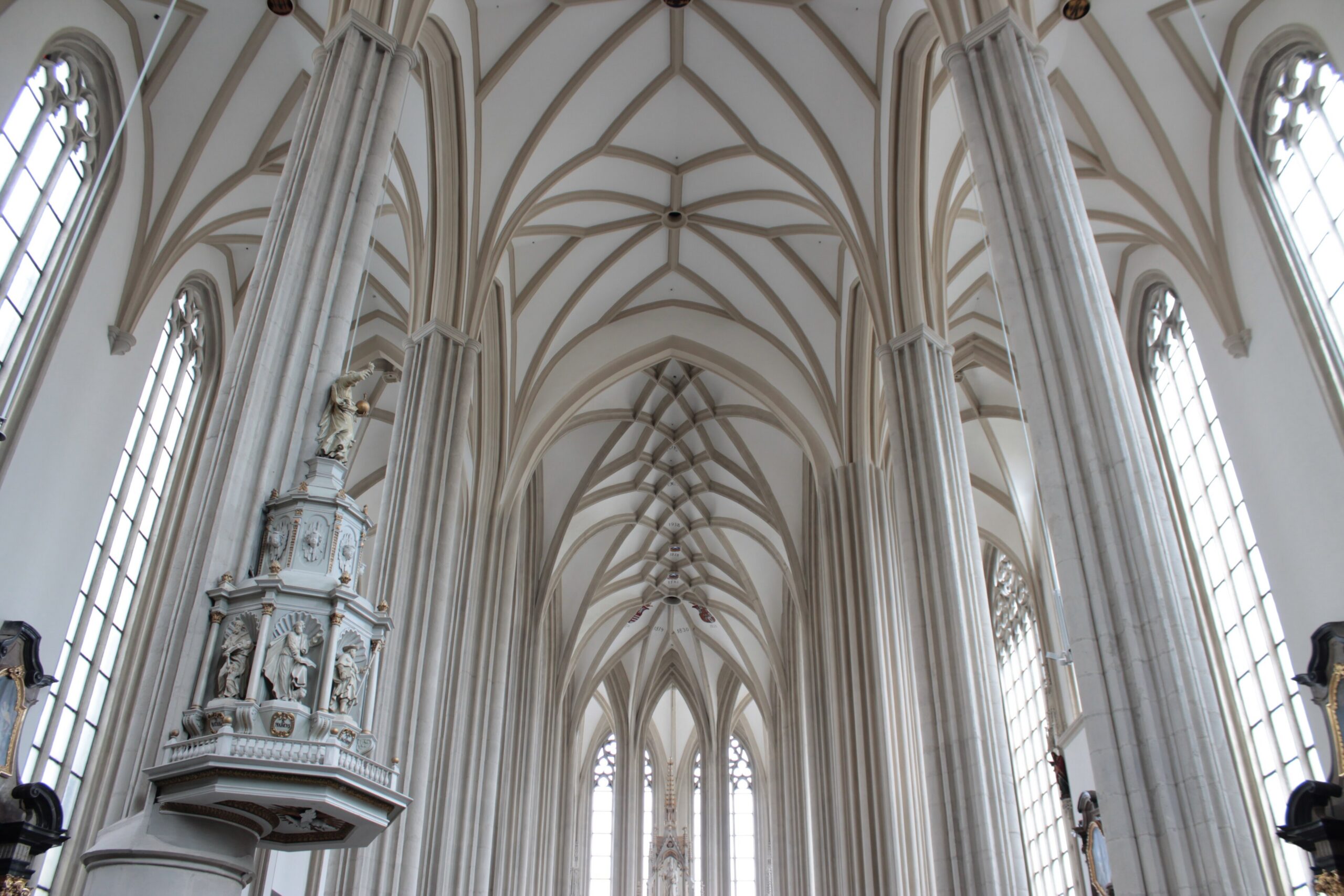
Triacastela combines naturally with a wider Camino itinerary: the nearby Monastery of Samos is one of Galicia’s oldest and most atmospheric religious sites, while Sarria, the classic starting point for the final 100km to Santiago, is just a short trip away. Further afield, the dramatic river canyons and terraced vineyards of the Ribeira Sacra make an excellent detour for travellers with a car, and the mountain village of O Cebreiro, with its stone-roofed pallozas, rewards those continuing westward from León.
Weather Through the Seasons
Spring brings mild temperatures and frequent rain that turns the valley vividly green, ideal for walking without summer crowds. Summer is pleasantly warm rather than hot, ideal for hiking the surrounding hills. Autumn ushers in chestnut season and golden foliage alongside increasing rainfall, while winter turns cold and misty, with occasional frost and snow dusting the higher peaks nearby.