Wat is de beste tijd om Piornedo te bezoeken?
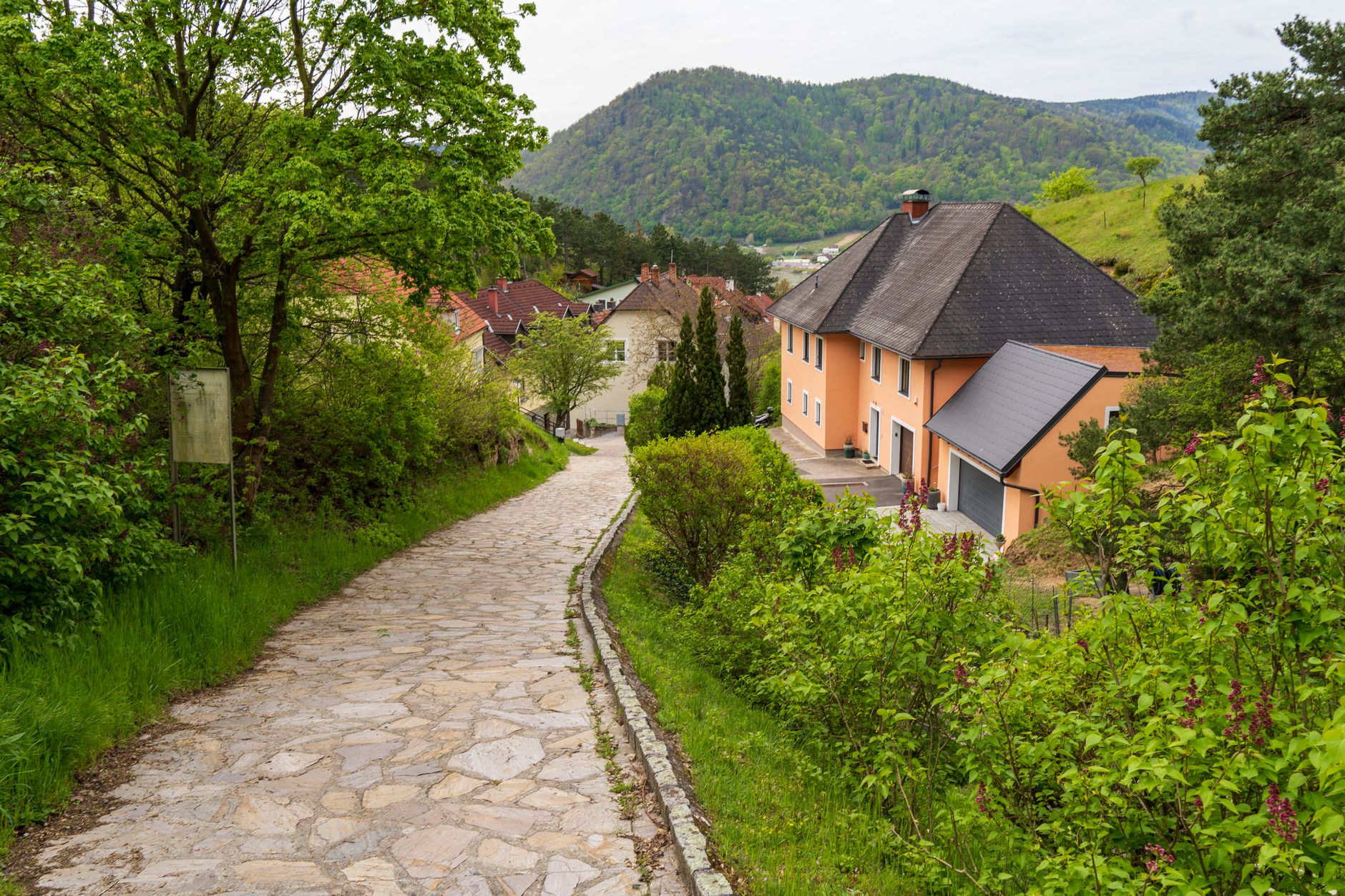
De late lente en zomer (mei tot september) zijn ideaal vanwege mild weer en goede wandelomstandigheden in de bergen. In de winter kan het dorp door sneeuw moeilijker bereikbaar zijn.
Hoe kom je in Piornedo?
Piornedo ligt in de bergen van Ancares en is het best bereikbaar met de auto vanuit Lugo of Cervantes, aangezien openbaar vervoer zeer beperkt is. De dichtstbijzijnde grotere steden liggen op zo’n 1 tot 1,5 uur rijden.
Wat zijn de belangrijkste bezienswaardigheden in Piornedo?
Het dorp staat bekend om zijn traditionele ‘pallozas’, ronde stenen huizen met rieten daken die uniek zijn voor de regio. Ook zijn er mooie wandelroutes door de Sierra de Ancares vanaf het dorp.
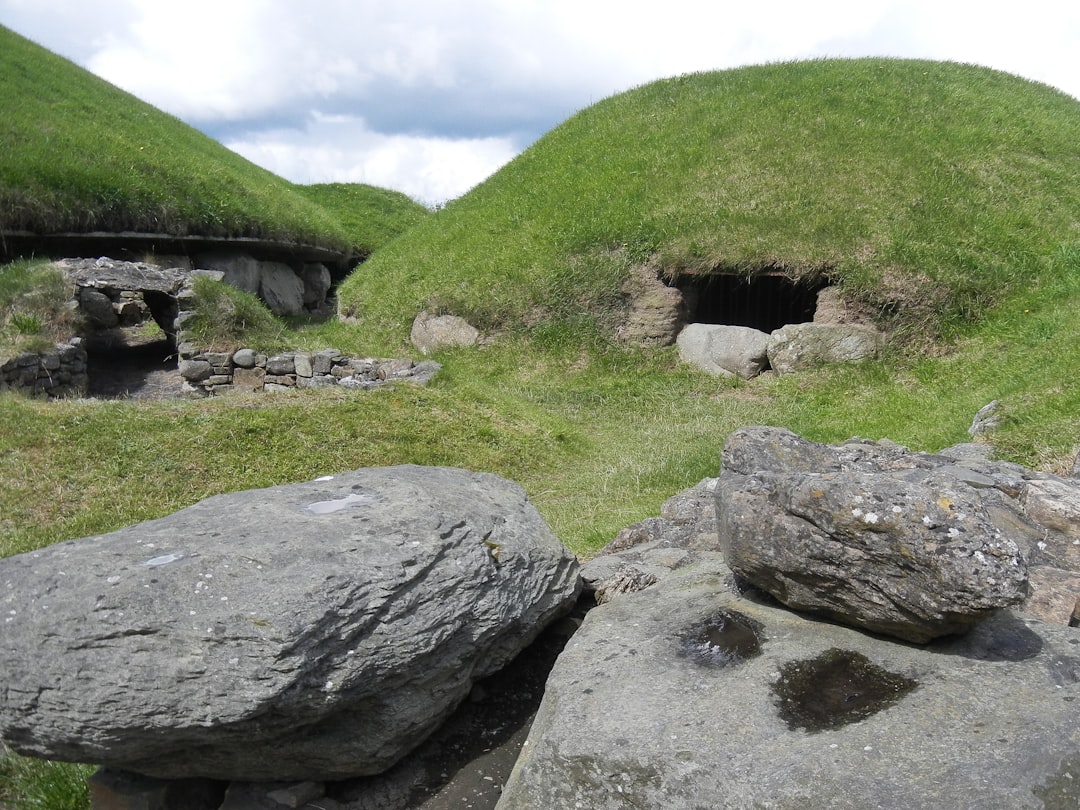
Tucked deep in the Os Ancares mountains of Lugo province, Piornedo is one of the last places in Spain where you can still see pallozas — round stone houses with conical thatched roofs dating back to pre-Roman Celtic times — standing in their original setting rather than behind a museum rope. It’s a village of barely a hundred souls, wrapped in oak forest and high pasture, that rewards travellers willing to leave the main roads behind.
What to Do in Piornedo
The village itself is the attraction: wander past working and restored pallozas, several of which are open as small ethnographic museums showing how entire families once lived alongside their livestock under one thatched roof. From Piornedo, waymarked trails climb into the Os Ancares Sierra, a designated Biosphere Reserve home to wild horses, capercaillie and reintroduced brown bears, with routes leading toward the peaks of Mustallar and Cuiña for sweeping views into both Galicia and neighbouring León and Asturias. Evenings are quiet enough to hear cowbells and little else, which is exactly the point for anyone visiting.
The Vibe: Remote, Rural, Unpolished
Piornedo has no tourist strip, no souvenir shops lining the street — just stone houses, working farms, and a handful of family-run guesthouses. It suits travellers who want genuine rural Galicia rather than a curated version of it: hikers, slow-travel enthusiasts, photographers chasing mist and stone textures, and anyone curious about pre-Roman Celtic heritage still visibly alive in daily life. It’s less suited to those wanting nightlife, shopping or fast connections — patience and a sense of adventure go a long way here.
Getting There and Nearby Regions to Combine
Piornedo is reached almost exclusively by car, via winding mountain roads from Cervantes or Becerreá; the nearest city with rail and bus links is Lugo, about 90 minutes to two hours away depending on conditions, and Santiago de Compostela airport is roughly a three-hour drive. Combine your stay with O Cebreiro, the Camino de Santiago’s dramatic mountain pass with its own pallozas, or head south to the Ribeira Sacra wine valleys and their monastery-lined river canyons. Lugo city, with its intact Roman walls, makes a natural stopover on the way in or out.
Food, Festivals and Local Life
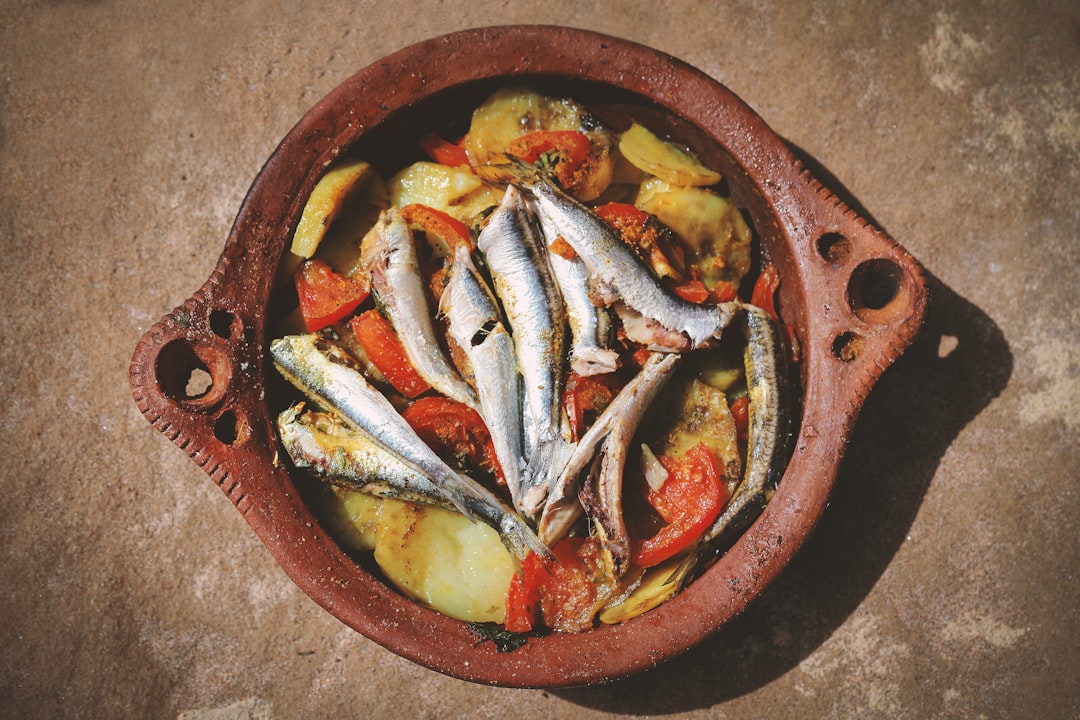
Meals in Piornedo lean hearty and mountain-style: caldo gallego (a broth of greens, potato and pork), cured meats, chestnuts, and local cheeses eaten in simple family-run comedores rather than restaurants. The village’s main celebration ties to the patron saint festivities in late summer, when locals gather for traditional music, food and a rare burst of activity in the otherwise sleepy streets. Galician, spoken alongside Spanish throughout the region, is very much the everyday language here, adding to the sense of stepping into a distinct cultural pocket.
Climate Through the Seasons
Spring brings fresh green pastures and unpredictable rain showers, ideal for waterfalls and wildflower-lined trails. Summer (June–September) is mild and pleasant for hiking, rarely oppressively hot given the altitude. Autumn paints the oak and chestnut forests in deep gold and rust tones, arguably the most photogenic season. Winter is genuinely cold and often snowy, occasionally cutting off mountain roads, which suits travellers seeking a quiet, snowbound retreat rather than easy access.