Wat is de beste tijd om Ezaro te bezoeken?
De late lente en zomer (mei tot september) zijn ideaal vanwege het mildere weer en de mogelijkheid om de waterval en kust te bezoeken. Let op: in de winter kan er meer regen vallen, wat typisch is voor Galicië.
Hoe kom ik in Ezaro aan en rond?
Ezaro is het best bereikbaar met de auto, via de AC-550, vanaf steden als Santiago de Compostela (ongeveer 1 uur rijden). Openbaar vervoer is beperkt, dus een huurauto wordt aanbevolen om de omgeving te verkennen.
Wat zijn de belangrijkste dingen om te doen in Ezaro?
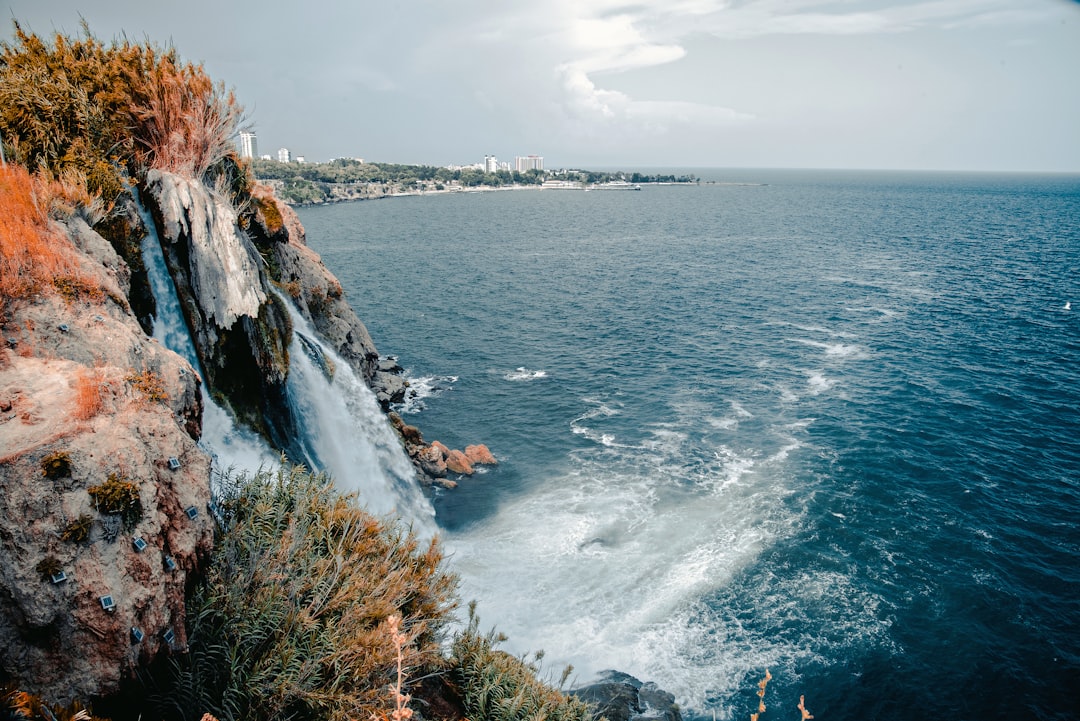
Een bezoek aan de Fervenza do Ézaro, de enige waterval in Europa die rechtstreeks in zee uitmondt, is een must. Ook de wandelpaden rond de rivier Xallas en de nabijgelegen kust bieden prachtige natuurervaringen.
Tucked into the Costa da Morte in Galicia, Ézaro is a tiny fishing hamlet best known for a geological rarity: the only waterfall in mainland Europe where a river plunges directly into the ocean. Beyond that single postcard moment lies a rugged, largely undiscovered stretch of coast backed by a mythical granite mountain, ideal for travellers who want Spain without the crowds. It’s a place better suited to slow mornings and hiking boots than souvenir shops.
The Waterfall That Falls Into the Sea
The Fervenza do Ézaro is the reason most visitors first hear of this village: the Xallas River drops nearly 40 metres straight into the Atlantic, a phenomenon found nowhere else on the continent. Because the flow is regulated by an upstream hydroelectric dam, the falls run at full force only on scheduled dates in summer, so it’s worth timing a visit around these openings for the full spectacle. Even when the water is calmer, the viewpoint above the cliffs makes for a dramatic stop.
Monte Pindo and the Wild Coastline
Rising behind the village, Monte Pindo is nicknamed the ‘Celtic Olympus’ for its ancient legends of witches and pagan rituals carved into its granite. Marked trails climb through boulder fields and heather to panoramic views over the Atlantic, making it a serious draw for hikers who don’t mind a steep, rocky path. Below, the coastline around Ézaro’s small beach offers wind-sculpted rock formations and a sea too restless for lazy sunbathing but perfect for a bracing walk.
A Village Untouched by Mass Tourism
Ézaro suits travellers drawn to nature, mythology and solitude rather than nightlife or resorts; think hikers, photographers, and anyone tracing the lesser-walked branches of the Camino de Santiago. The vibe is unpolished and quiet, with a handful of houses, a working harbour, and locals who still speak Galician as their first language. It’s not a place for those wanting curated tourist infrastructure, but exactly right for those wanting to feel like they’ve found somewhere real.
Getting to Ézaro
The nearest airport is Santiago de Compostela, roughly an hour’s drive away, making it an easy add-on to a Galicia itinerary. There’s no train station nearby, and bus connections are limited, so renting a car is by far the most practical way to explore both the village and the surrounding Costa da Morte at your own pace. The drive itself, along winding coastal roads, is part of the appeal.
Pairing Ézaro with the Costa da Morte
Ézaro sits within easy reach of Fisterra (Finisterre), the symbolic ‘end of the world’ where many Camino pilgrims finish their walk, and the pilgrimage town of Muxía with its dramatic cliffside sanctuary. Further afield, Santiago de Compostela offers a cultural counterpoint with its cathedral and old town, while the fishing towns of Cee and Corcubión make good stops for seafood along the way. Together, these spots form a compact but rewarding Costa da Morte road trip.
Local Life, Food and Festivals
Galician staples dominate here: expect fresh percebes (goose barnacles), pulpo á feira, and simple grilled catch straight off the boats, best enjoyed at a harbourside taberna. Like many coastal villages in the region, Ézaro holds a summer fiesta honouring the Virgen del Carmen, patron saint of fishermen, with a small maritime procession and communal meal in July. It’s a modest, community affair rather than a tourist spectacle, and all the more genuine for it.
Climate Through the Seasons
Spring brings mild temperatures and lush green hillsides, though rain showers are common. Summer (June to September) is the driest and warmest stretch, with pleasant days for hiking and the best chance of seeing the waterfall running at full flow. Autumn turns moody and atmospheric with dramatic Atlantic skies, while winter is wet and windy, keeping visitor numbers low for those who prefer the coast at its wildest.