What is the best time to visit Corme?
The best time to visit Corme is during summer, from June to September, when the weather is warm and ideal for beaches and coastal walks. Spring and early autumn are also good options for milder temperatures and fewer crowds.
How do you get to Corme?
Corme is best reached by car, located about an hour’s drive from A Coruña along coastal roads in Galicia. There is no direct train service, so a car or local bus connection via nearby towns like Ponteceso is recommended.
What are the main things to do in Corme?
Corme is known for its fishing harbor, sandy beaches like Praia da Ribeira, and fresh seafood restaurants along the waterfront. Visitors can also explore nearby coastal cliffs and enjoy traditional Galician festivals held in the village.
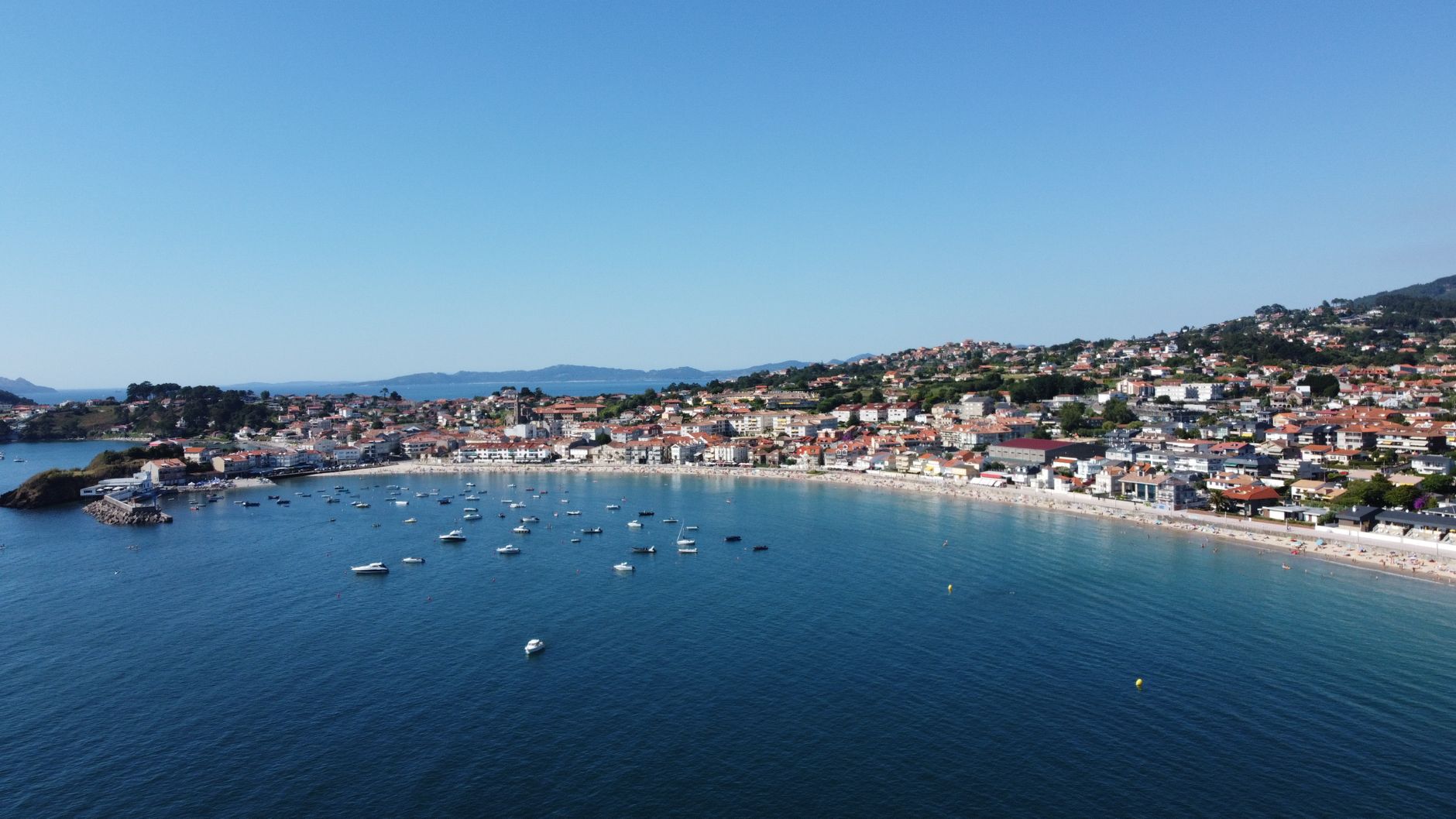
Tucked into a sheltered bay on Galicia’s rugged Costa da Morte, Corme is the kind of place travel brochures forget to mention. This working fishing village trades resort glamour for real Atlantic life: creaking boats, weathered stone houses and a coastline that has swallowed ships for centuries. If you want Galicia stripped of gloss, Corme delivers it raw.
What to do in Corme
Start at the harbour, where fishermen still unload the day’s catch each afternoon, then follow the coastal path toward Punta Insua, a dramatic dune-backed headland with sweeping Atlantic views. The nearby beaches of Area Maior and Balarés offer wide, uncrowded sand for walking, surfing or simply watching the waves crash. Birdwatchers should head slightly north toward Malpica and the Sisargas Islands, a short detour that rewards with seabird colonies and rougher, wilder scenery.
The vibe: slow, salty and unpolished
Corme has no promenade of souvenir shops or stacked sun loungers; life here still runs on tides and fishing schedules. It suits travellers who enjoy quiet mornings, long coastal walks and the sense of discovering something locals haven’t yet decided to advertise. Photographers, hikers and anyone chasing an authentic slice of rural Galicia will feel more at home here than in the region’s better-known coastal towns.
Lobster, legends and local flavour
Corme’s biggest annual event is the Festa da Lagosta in early August, a decades-old lobster festival where the village gathers for communal seafood feasts, live music and dancing late into the night. The Costa da Morte’s treacherous waters have long fuelled Galician folklore, including tales of meigas (witches) said to roam this stretch of coast — a legend locals still reference with a wink over a glass of Albariño. Seafood is the obvious choice here: expect grilled octopus, percebes (goose barnacles) and lobster straight off the boats.
Weather through the seasons
Spring brings mild temperatures and frequent showers, with the countryside turning intensely green. Summer is warm but rarely hot, tempered by Atlantic breezes, making it the most popular (though still uncrowded) season to visit. Autumn sees more rain and dramatic skies over the cliffs, while winter stays mild by European standards but wet and windy, with the sea putting on its most powerful, moody performance.
Getting to Corme and combining it with the region
The easiest access is by car from Santiago de Compostela airport, about an hour’s drive along the AC-430 and AC-431 roads; A Coruña airport is a similarly convenient option. Public transport is limited, so renting a car is strongly recommended for exploring this stretch of coast at your own pace. Corme pairs naturally with nearby Malpica de Bergantiños, the lace-making town of Camariñas, the ancient Dolmen de Dombate, and a wider road trip along the Costa da Morte toward Cape Fisterra.