What is the best time to visit Pontedeume?
The best time to visit is from late spring to early autumn (May to September), when the weather is mild and ideal for exploring the town and nearby beaches. Summer also brings local festivals that showcase Galician culture and cuisine.
How do you get to Pontedeume?
Pontedeume is easily reached by car via the AP-9 motorway, about 30 minutes from A Coruña. Regular bus services also connect it to nearby cities like Ferrol and A Coruña, and the closest airport is A Coruña Airport.
What are the top things to do in Pontedeume?
Visit the medieval Torres dos Andrade and stroll across the historic Puente do Eume bridge over the Eume River. Don’t miss a walk in the nearby Fragas do Eume Natural Park, known for its lush Atlantic forest and hiking trails.
Tucked where the Eume river meets the Atlantic on Galicia’s Rías Altas, Pontedeume is the kind of place travellers stumble upon rather than plan for. Its arcaded old town, medieval tower and riverside promenade hint at a noble past most visitors to Spain never encounter, while the surrounding coastline and forest stay refreshingly quiet.
What to See and Do
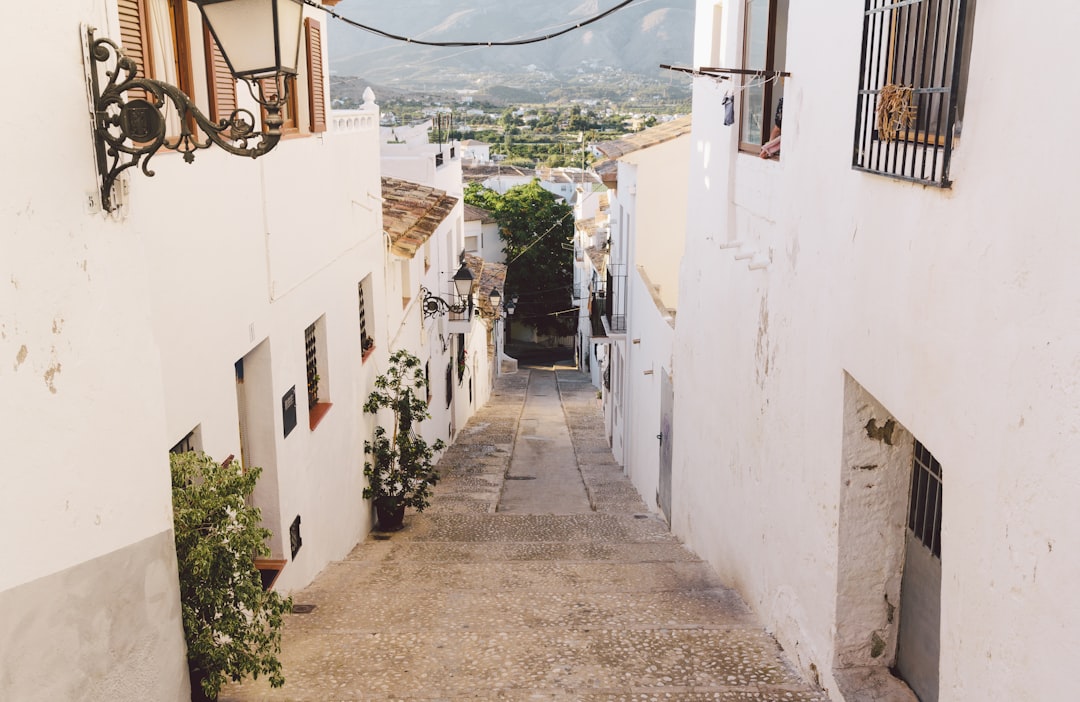
Wander the old town’s soportales, the covered stone arcades where fishmongers and neighbours have traded gossip for centuries, and climb the Torre dos Andrade, the last standing tower of the fortress that once controlled this stretch of coast. The Renaissance bridge over the Eume, rebuilt many times since medieval days, still frames postcard views of fishing boats and herons. Just outside town, the Fragas do Eume natural park offers one of Atlantic Europe’s best-preserved riverside forests, with trails through moss-covered oaks and a hidden monastery, Monasterio de Caaveiro, reachable on foot or by a short shuttle.
Character and Vibe
Pontedeume feels lived-in rather than curated for tourists: locals fish off the bridge, elderly women chat under the arcades, and the pace rarely rises above a stroll. It’s a working Galician town first, a holiday destination second, which is exactly its appeal for travellers tired of overrun coastal resorts. Expect Galician spoken as often as Spanish, weathered stone facades, and a sense that you’ve found somewhere the guidebooks skipped.
Who It Suits
This is a destination for slow travellers, hikers, and anyone drawn to Spain’s quieter Atlantic side rather than its beaches of Andalusia or Costa Brava. Food lovers who enjoy tracking down honest seafood taverns, and history buffs curious about medieval Galician nobility, will find plenty to hold their attention. It’s less suited to those wanting nightlife or resort amenities.
Getting There
The nearest airport is A Coruña, about 40 minutes away by car, with connections to major Spanish cities and some European hubs. Santiago de Compostela’s airport, roughly 90 minutes south, offers more international routes and pairs well with a longer Galician road trip. Regional trains and buses link Pontedeume to Ferrol and A Coruña, though a rental car makes exploring the surrounding coast and forests far easier.
Nearby Places Worth Combining
Cabanas, just across the estuary, has a long sandy beach and a relaxed promenade perfect for an afternoon. The historic town of Betanzos, with its Gothic churches and Carnival tradition, sits a short drive inland, while the naval city of Ferrol offers Belle Époque architecture and a very different maritime character. For a fuller Galician itinerary, pair Pontedeume with A Coruña’s Roman lighthouse and lively old town, or push north along the Rías Altas toward the dramatic cliffs of Cabo Ortegal.
Food, Festivals and Local Life
Seafood taverns around the harbour serve Galician staples like pulpo á feira and grilled sardines, best paired with a chilled glass of local Albariño or Ribeiro wine. In August, the Festas de San Roque bring fireworks, live music and street stalls to the riverside, while a Medieval Market in autumn recreates the town’s Andrade-era heyday with costumes, crafts and period food stalls. These local celebrations remain refreshingly community-driven rather than staged for outside visitors.
Climate Through the Seasons
Spring brings mild, changeable weather with green landscapes and fewer crowds, ideal for hiking the Fragas do Eume. Summer is warm but rarely scorching, tempered by Atlantic breezes, making it comfortable for coastal walks and beach days in nearby Cabanas. Autumn turns golden and rainier, atmospheric for the forest and old town, while winter stays cool and wet, with the region’s characteristic low grey skies and occasional Atlantic storms.