Wat is de beste tijd om Vilalba te bezoeken?
De beste periode is van mei tot september, wanneer het milde Galicische klimaat zorgt voor aangename temperaturen. Vermijd de wintermaanden, want dan valt er regelmatig regen en kan het frisser aanvoelen.
Hoe kom ik in Vilalba aan?
Vilalba is goed bereikbaar via de A-6 snelweg tussen Lugo en A Coruña, op ongeveer 40 minuten rijden van beide steden. Er zijn ook regelmatige busverbindingen vanuit de belangrijkste Galicische steden.
Wat zijn de belangrijkste bezienswaardigheden in Vilalba?
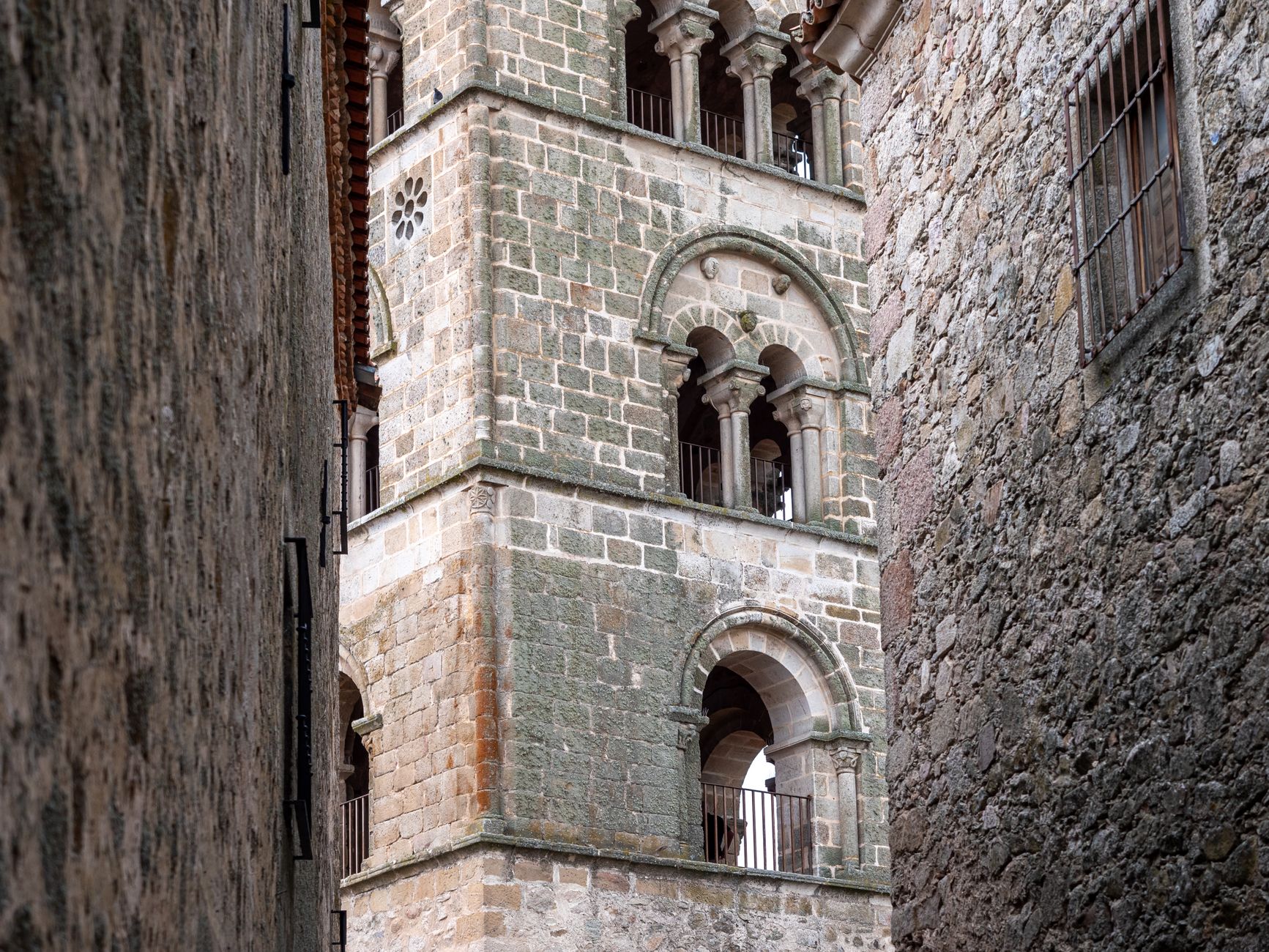
De middeleeuwse Torre de los Andrade, nu deel van een parador, is het meest iconische monument van de stad. Ook de Praza de Santo Antonio en de historische kerk Igrexa de Santa María zijn een bezoek waard.
Tucked into the Terra Chá plains of inland Lugo province, Vilalba is the kind of Galician town most visitors drive past on their way to the coast — which is exactly why it rewards those who stop. Dominated by a squat medieval tower and famous across Spain for one single, spectacular dish, it offers a slower, more rural side of Galicia far from the Rías and their crowds.
What to do in Vilalba
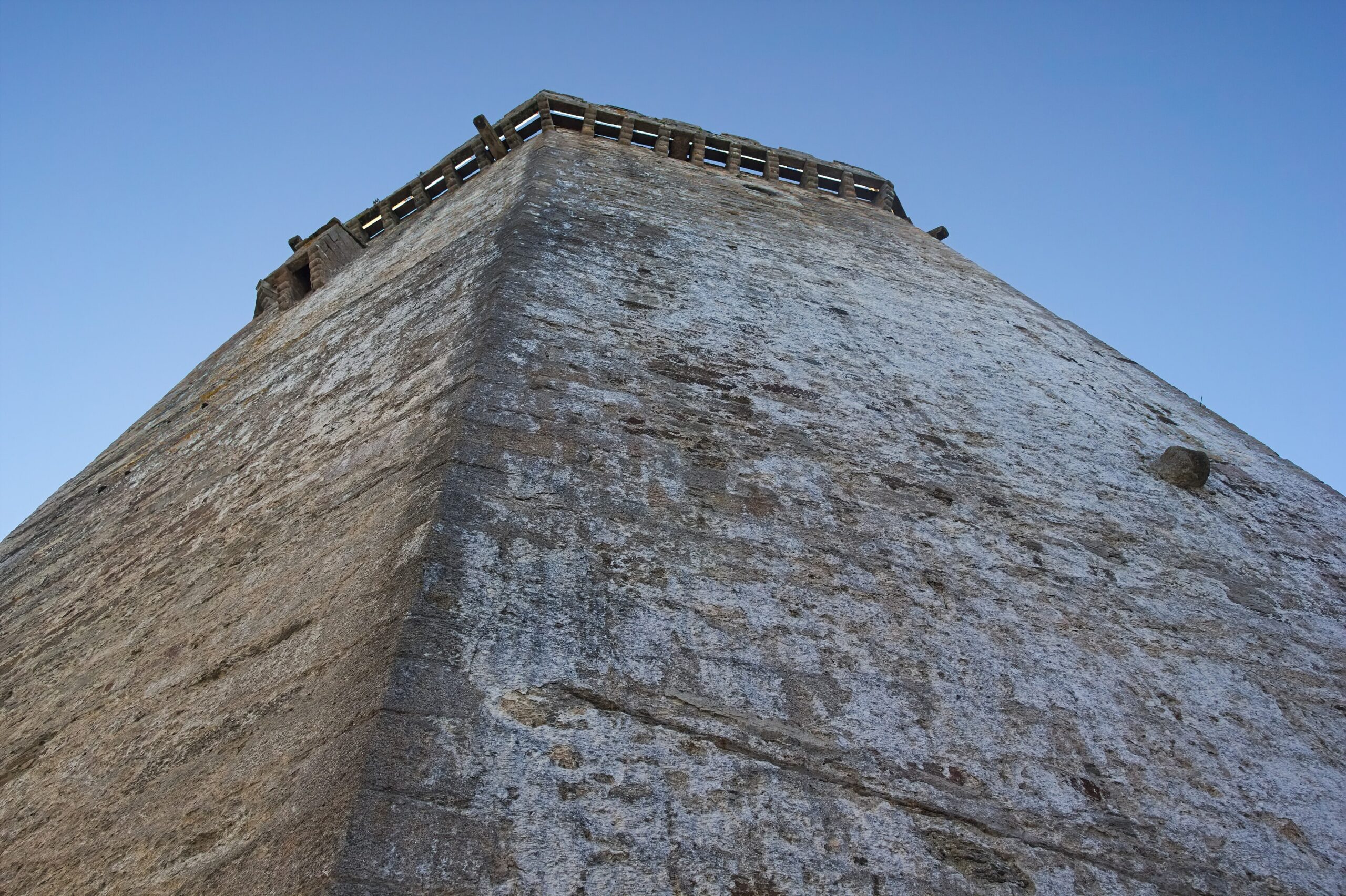
The town’s landmark is the Torre dos Andrade, a stark 14th-century keep that once dominated a much larger fortress and now anchors the old quarter; part of it has been converted into a small parador-style hotel, while the rest can be visited. Wander the arcaded Praza Constitución and the narrow streets around it, where granite houses and old shopfronts give a sense of a working Galician market town rather than a curated tourist set piece. Vilalba is also a good base for exploring the Terra Chá, the flat, green plains around it, dotted with dairy farms, chestnut groves and quiet country churches worth a slow drive or cycle.
Vibe and character
Vilalba feels unpolished in the best sense: it’s a genuine market and administrative town for the surrounding countryside, not a destination built for tourism. Life revolves around the weekly market, local bars serving Galician wine by the tumbler, and a rhythm dictated by farming and food production rather than sightseeing schedules. It suits travellers who enjoy discovering a place through its everyday life and its food, rather than ticking off monuments.
Who it suits
This is a destination for independent travellers, food lovers and Camino de Santiago walkers rather than beach-seekers or those wanting resort infrastructure. Vilalba lies on a variant of the Camino Norte, so it attracts pilgrims looking for an authentic overnight stop with good, hearty food and few other tourists. It also appeals to road-trippers exploring inland Galicia who want a real local base between the coast and Lugo.
Getting there
Vilalba sits inland, roughly 85 km from Santiago de Compostela airport and about 90 km from A Coruña airport, both well connected to the rest of Spain and parts of Europe. The town has its own train station on the line linking A Coruña and Lugo, plus regular bus connections, making it feasible without a car, though renting one opens up the surrounding countryside far more easily. By road, it’s a straightforward drive via the A-6 and A-8 motorways.
Combine it with
Vilalba pairs naturally with Mondoñedo, a beautifully preserved medieval town just 25 minutes away, and with Lugo city, famous for its intact Roman walls, an hour’s drive south. The wild Rías Altas coastline around Viveiro and Ribadeo is within easy reach for a contrast of dramatic cliffs and beaches, making Vilalba a practical inland stop on a wider Galicia itinerary rather than a single-destination trip.