Wat is de beste tijd om Las Palmas de Gran Canaria te bezoeken?
Dankzij het milde klimaat is de stad het hele jaar door aangenaam, maar de periode van maart tot mei en september tot november biedt de prettigste temperaturen zonder de drukte van de zomer. Ook in de winter blijft het met gemiddeld 20°C een populaire bestemming.
Hoe kom ik in Las Palmas de Gran Canaria?
De stad is bereikbaar via de internationale luchthaven Gran Canaria, die op ongeveer 20 minuten rijden ligt en goed verbonden is met veel Europese steden. Vanaf de luchthaven rijden er regelmatig bussen en taxi’s naar het centrum.
Wat zijn de bekendste bezienswaardigheden in Las Palmas de Gran Canaria?
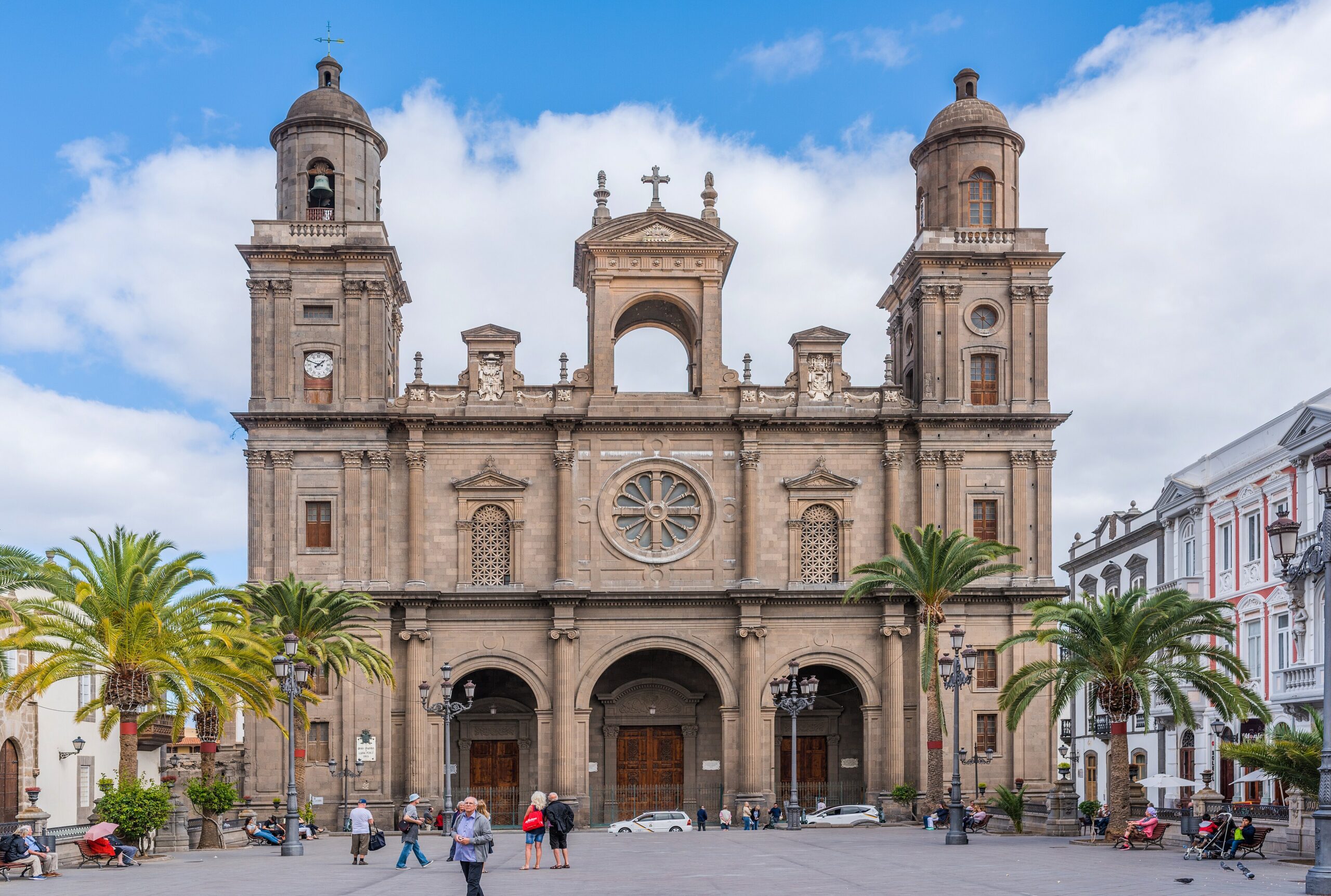
Het historische centrum Vegueta met de kathedraal van Santa Ana en het Casa de Colón trekt veel bezoekers, net als het levendige Playa de Las Canteras, een van de mooiste stadsstranden van Europa. Ook de winkelstraat Calle Mayor de Triana is populair bij toeristen.
Las Palmas de Gran Canaria is that rare thing: a real working capital with a golden urban beach at its doorstep. It mixes colonial history, Canarian street life and Atlantic light in a way few Spanish cities can match, without ever feeling staged for tourists. This is the pick for travellers who want culture, coastline and a proper city rhythm all in one place.
A Colonial Port City with an Atlantic Soul
Founded in 1478 as Real de Las Palmas, the city grew rich as a stopover between Europe, Africa and the Americas, a role you can still trace in its trading-house architecture and busy port. Columbus himself is said to have stopped here before crossing the Atlantic, and the harbour still hums with cargo ships, ferries and fishing boats today. That layered, lived-in history gives Las Palmas a grittier, more authentic feel than the island’s resort towns further south.
Playa de Las Canteras: City Beach Living
Playa de Las Canteras stretches for over three kilometres right along the city’s promenade, protected by a natural volcanic reef that keeps the water calm at one end and wave-ready for surfers at the other. Locals swim here before work, families set up for the whole day, and the seafront terraces fill up as the sun drops. Few European capitals let you go from office desk to ocean swim in ten minutes, and that’s exactly the appeal here.
Vegueta and Triana: Old Town Charm
The Vegueta district is the historic core, all cobbled squares, balconied houses and the imposing Santa Ana Cathedral, with the Casa de Colón museum tracing the city’s transatlantic past. Next door, Triana’s pedestrian shopping street buzzes with independent boutiques, plaza terraces and local life rather than souvenir shops. Wander here in the late afternoon and you’ll find a city that still belongs to the people who live in it.
Who Falls for Las Palmas
This city suits travellers who get restless on a sun-lounger and want a beach with a genuine urban pulse around it: remote workers drawn by reliable wifi and coworking spaces, surfers chasing Las Canteras’ left-hand break, and culture-seekers who want museums and tapas bars alongside their sea swims. It’s less suited to those after a quiet, purpose-built resort experience, since Las Palmas is a living city first and a holiday destination second.
Getting to Las Palmas de Gran Canaria
Gran Canaria Airport (LPA) sits around 20 kilometres south of the city, with direct flights from most major hubs across mainland Spain, the UK, Germany and the rest of Europe, plus a fast, cheap bus link into the centre. Ferries also connect Las Palmas to Cádiz on the Spanish mainland and to the other Canary Islands, useful if you fancy combining islands in one trip. Once in the city, buses and a compact layout make a rental car optional rather than essential.
Easy to Combine With
Gran Canaria’s size makes day trips genuinely rewarding: head south for the dunes of Maspalomas and the fishing-harbour-turned-marina at Puerto de Mogán, or inland to the pine forests and jagged skyline around Roque Nublo and Tejeda. The northern coastal town of Agaete offers black-sand coves and a slower pace, all within an hour’s drive. Ferries to Tenerife also open up a wider island-hopping itinerary if you want more than one Canary Island on your holiday.
Local Flavours and Carnival Fever
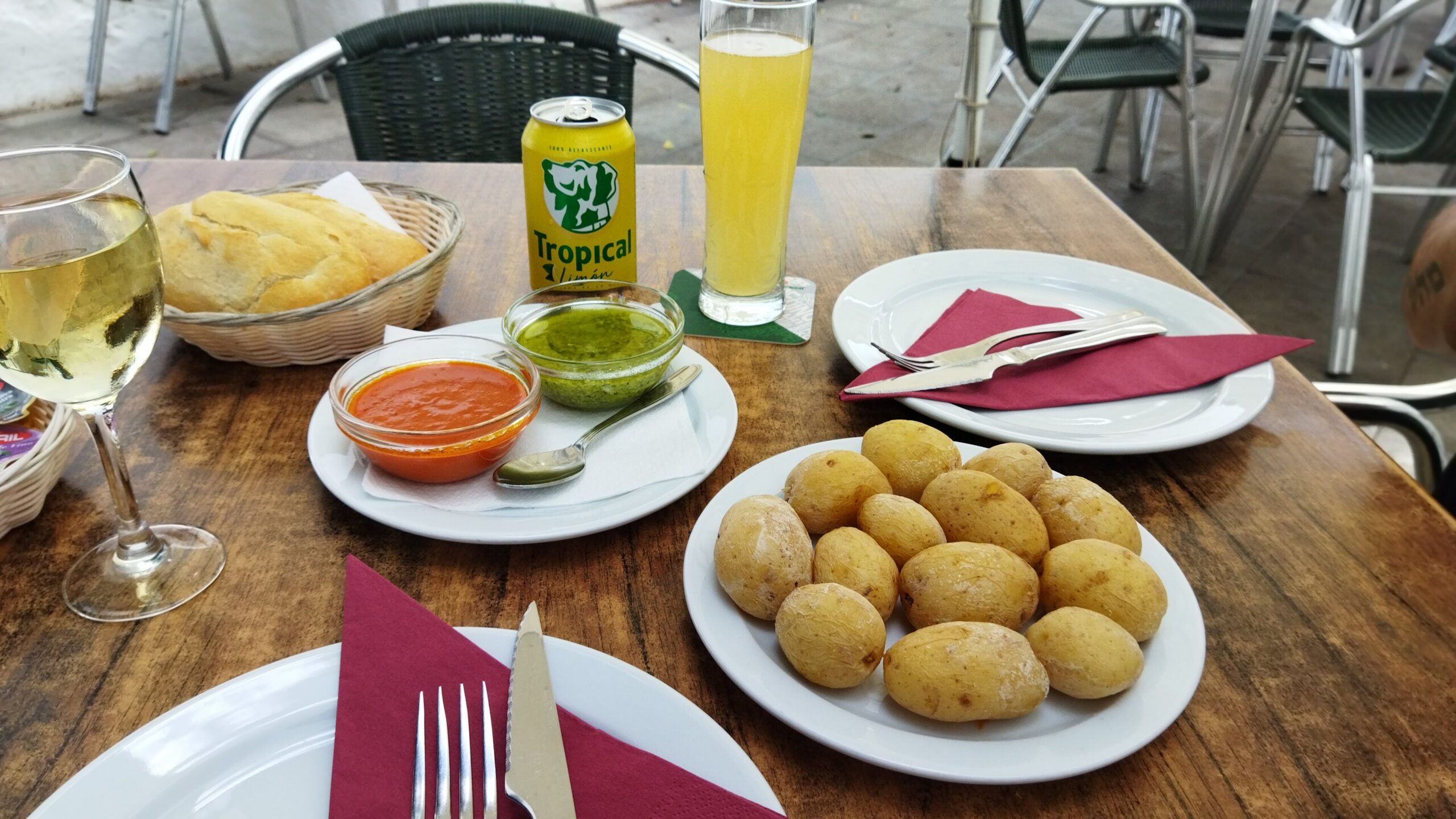
Canarian cuisine shows up everywhere in the form of papas arrugadas, wrinkled potatoes served with spicy red or green mojo sauce, alongside fresh local fish and gofio, a toasted grain flour used in everything from soups to desserts. Las Palmas is also home to one of the world’s biggest carnivals, running through February with elaborate drag queen galas, murgas street bands and a whole city dancing outdoors for weeks. Outside carnival season, the harbourfront bars around Las Canteras are the best spot for an evening beer and grilled octopus.
Climate: Sun Almost Year-Round
Spring (March to May) is mild and breezy, typically 20-23°C, ideal for exploring on foot. Summer (June to August) stays surprisingly comfortable at 26-28°C thanks to Atlantic trade winds, without the scorching heat of mainland Spain. Autumn mirrors spring with warm, settled days around 22-25°C, while winter (December to February) rarely dips below 18°C, making Las Palmas a reliable escape from grey European winters.