Wat is de beste tijd om Valladolid te bezoeken?
De lente (april-juni) en het najaar (september-oktober) zijn ideaal dankzij het milde klimaat en minder toeristendrukte. De zomer kan erg heet worden met temperaturen boven de 35°C.
Hoe kom ik in Valladolid en hoe reis je er rond?
Valladolid is goed bereikbaar met de hogesnelheidstrein (AVE) vanuit Madrid in ongeveer 50 minuten, en heeft een eigen luchthaven met beperkte verbindingen. Het historische centrum is compact en prima te voet te verkennen.
Wat zijn de must-see bezienswaardigheden in Valladolid?
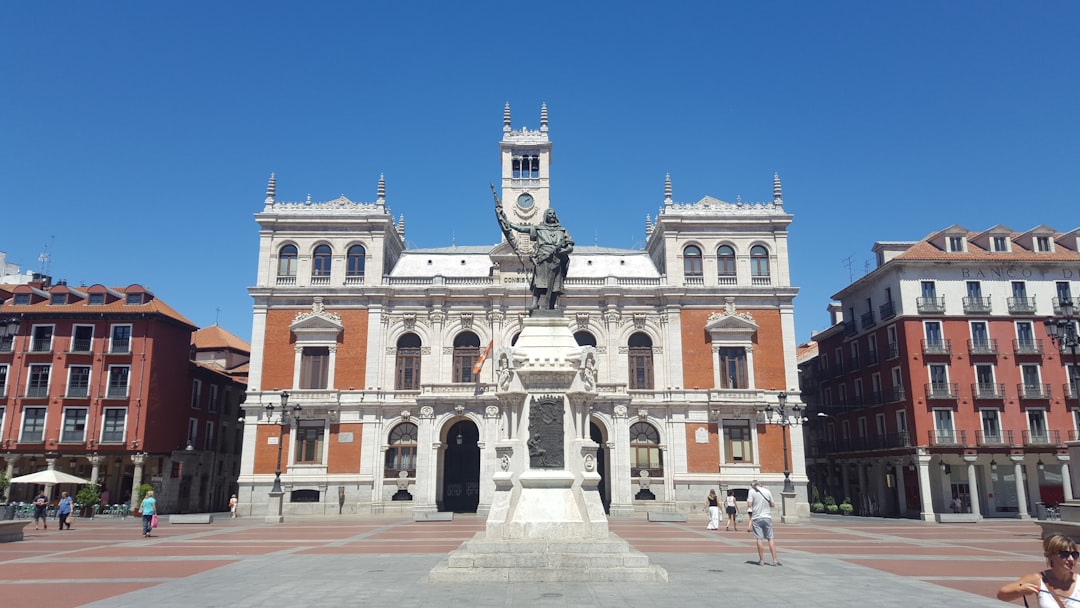
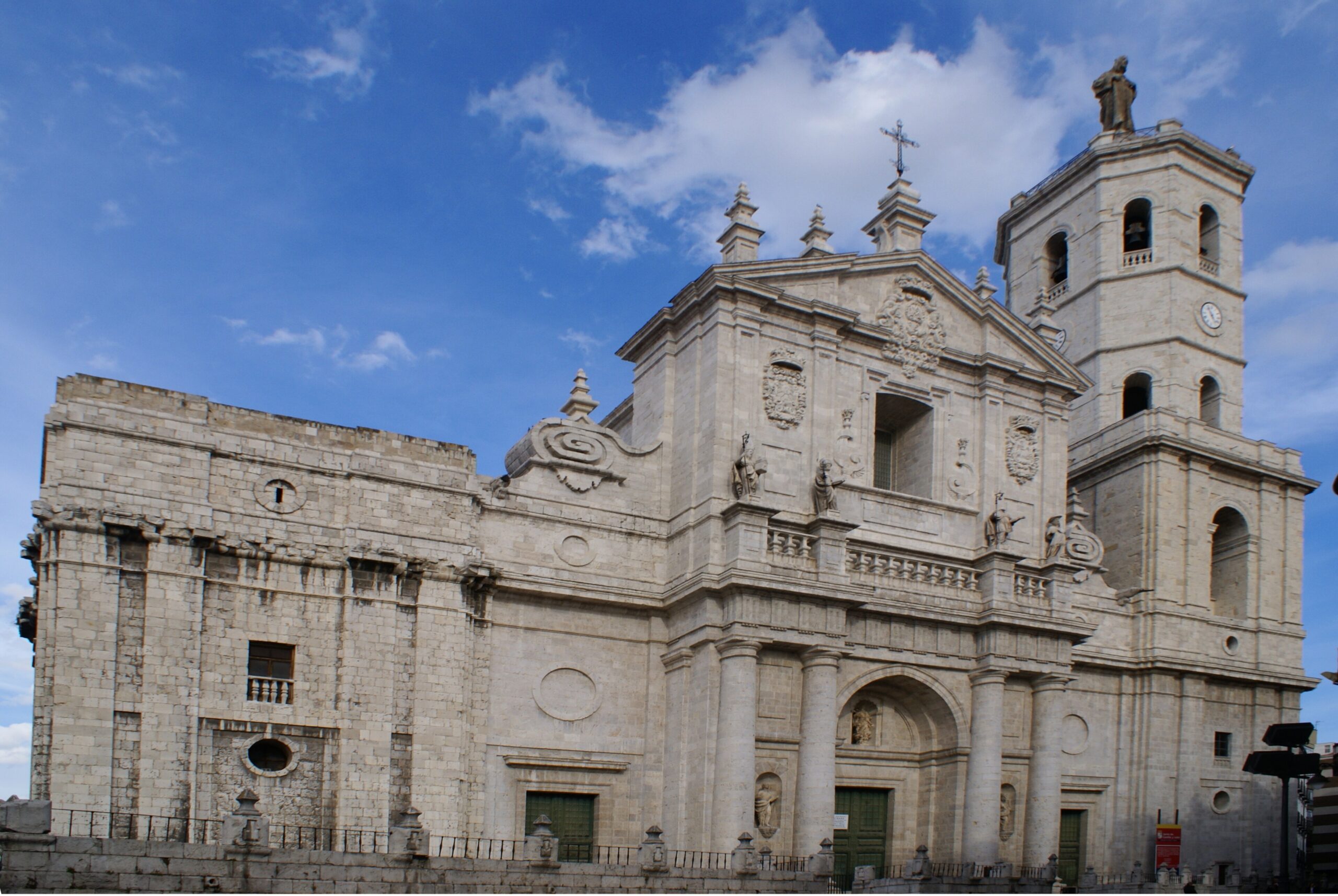
Bezoek zeker het Nationaal Museum voor Beeldhouwkunst, de indrukwekkende kathedraal en de Plaza Mayor, het hart van de stad. Ook het Colón huis-museum, gewijd aan Christoffel Columbus die hier overleed, is een aanrader.
Once the capital of the Spanish Empire and the city where Columbus died, Valladolid today is a confident, unhurried university town that rewards visitors who venture beyond Madrid. Expect grand Renaissance architecture, one of Spain’s finest sculpture museums, and a lively pincho scene, all at a fraction of the crowds you’d find in Salamanca or Segovia.
What to See and Do
Start at the Museo Nacional de Escultura, housed in the extraordinary Isabelline Gothic Colegio de San Gregorio, home to Spain’s finest collection of polychrome religious sculpture. The unfinished Valladolid Cathedral, designed by Juan de Herrera, and the Casa de Cervantes, where the author lived while finishing Don Quixote, add literary and architectural depth. Wander the Plaza Mayor, the first of its kind in Spain and the model later copied across the country, then explore the arcaded streets around Calle de las Angustias for handsome noble houses and quiet churches.
Vibe and Character
Valladolid feels genuinely lived-in rather than staged for tourists: students from one of Spain’s oldest universities fill the tapas bars, and locals go about daily life around monuments that would draw crowds elsewhere. It’s a city of stone facades, wide boulevards, and a slower, more serious Castilian rhythm than the coastal resorts. This makes it an excellent choice for travellers who want depth and authenticity over spectacle.
Who It Suits
Valladolid appeals to culture and history lovers, wine enthusiasts using it as a base for Ribera del Duero, and film buffs timing their visit around the acclaimed SEMINCI international film festival each October. It’s less suited to travellers chasing beaches or nightlife, but ideal for anyone wanting an authentic, walkable Spanish city with serious art and gastronomy.
Getting There
Most visitors fly into Madrid Adolfo Suárez–Barajas and take the AVE high-speed train, which reaches Valladolid in under an hour, making a day trip or short stay easy to combine with the capital. Valladolid also has its own small airport with limited seasonal European routes, and regional trains connect directly to Salamanca, León, and Burgos for those building a longer Castilian itinerary.
Combine Your Trip With
Valladolid is the natural gateway to the Ribera del Duero wine region, with the fortress-topped town of Peñafiel and its wine museum just 45 minutes away. Tordesillas, famous for the 1492 treaty dividing the New World, and the historic archive town of Simancas both make easy half-day trips, while Salamanca and Segovia are within striking distance for a longer Castilian road trip.