Wat is de beste tijd om Barcelona te bezoeken?
De beste periodes zijn april-juni en september-oktober, met een mild klimaat en minder toeristen dan in de drukke zomermaanden. In juli en augustus kan het erg warm en druk zijn.
Hoe kom ik vanaf de luchthaven naar het centrum van Barcelona?
Vanaf luchthaven El Prat kun je de Aerobús, de trein (R2 Nord) of de metro (L9 Sud) nemen naar het centrum, wat ongeveer 25-35 minuten duurt. Een taxi is ook een optie en kost meestal tussen de 30 en 40 euro.
Welke taal wordt er in Barcelona gesproken?
In Barcelona spreekt men zowel Spaans als Catalaans, waarbij Catalaans de regionale voorkeurstaal is. In toeristische gebieden en hotels wordt vaak ook Engels gesproken.
Barcelona is where Roman ruins, Modernista masterpieces and a working Mediterranean beach share the same postcode. It’s a city that rewards wandering as much as sightseeing, with every neighbourhood offering its own rhythm, from the medieval maze of the Gothic Quarter to the grid-planned elegance of Eixample. Whether you have three days or three weeks, Barcelona rarely runs out of things to show you.
A City Shaped by Reinvention
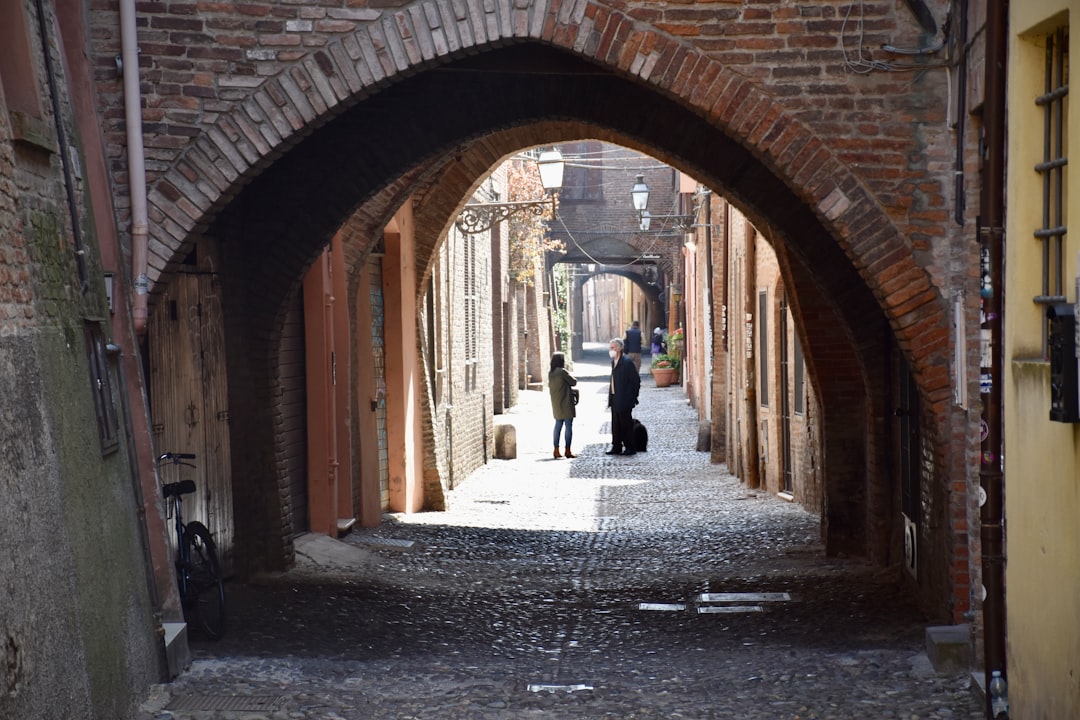
Founded by the Romans as Barcino, Barcelona grew into a medieval trading power before the Modernisme movement of the late 1800s gave it the architectural identity it’s known for today, led by Antoni Gaudí and contemporaries like Domènech i Montaner. The 1992 Olympics triggered a second transformation, opening the city to its own waterfront and putting Barceloneta’s beaches on the map. That layered history is still visible everywhere: Roman columns tucked behind the cathedral, Gothic squares a few steps from Art Nouveau facades.
What to Do in Barcelona
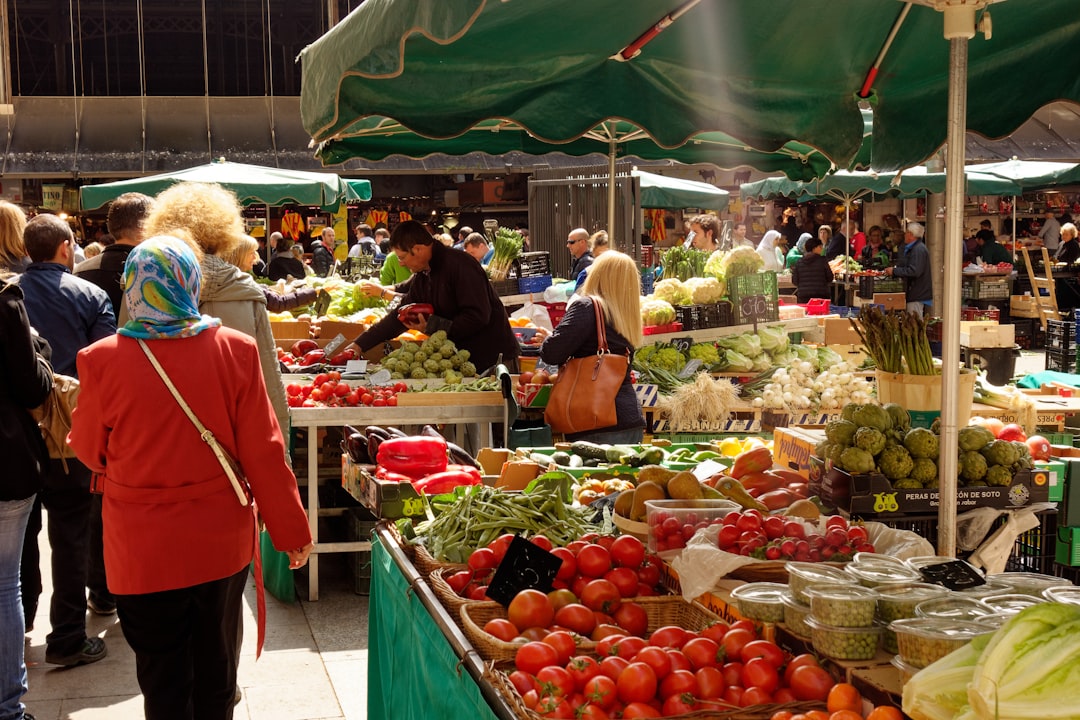
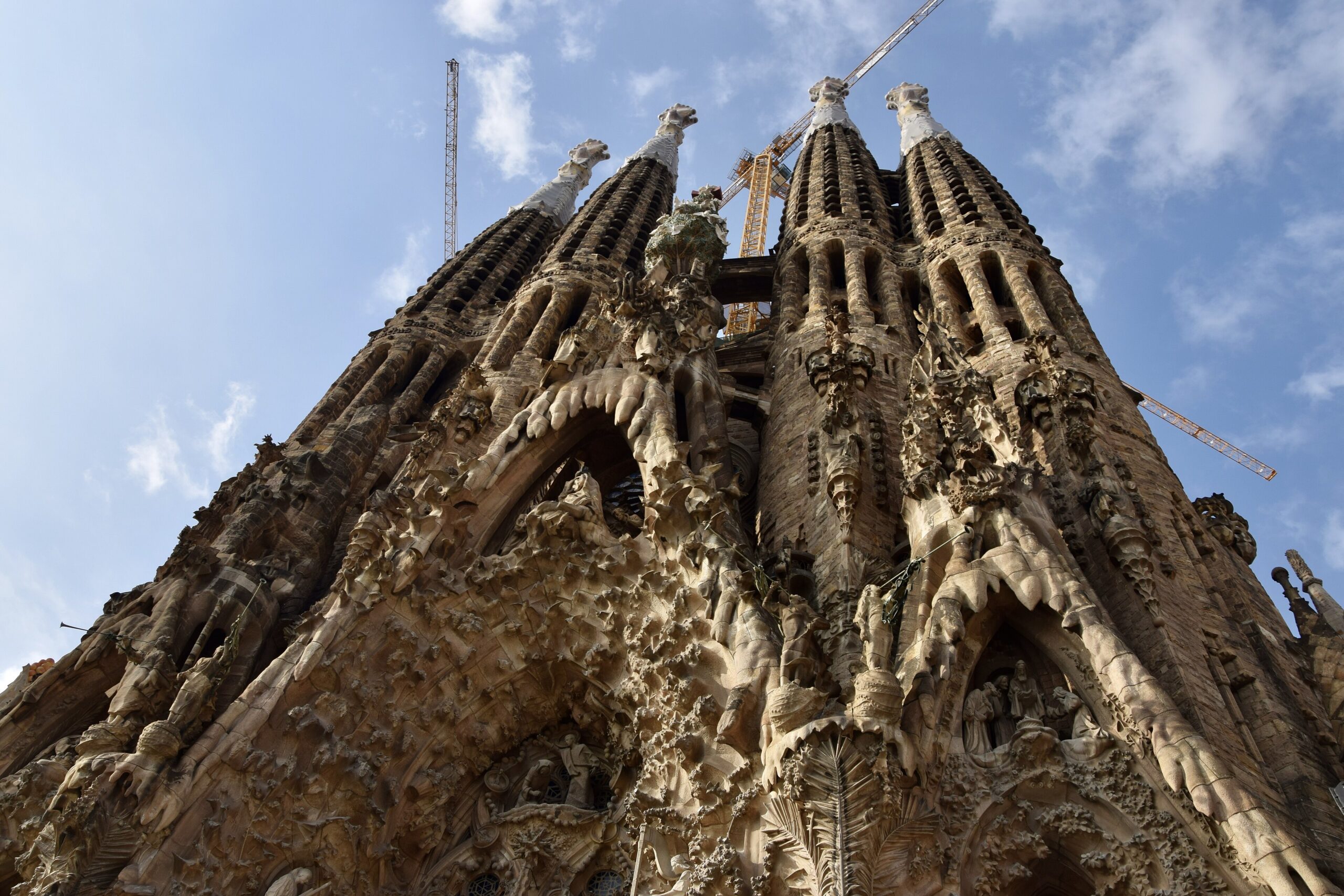
The Sagrada Família and Park Güell top most lists for good reason, but Barcelona’s real charm often lies in slower pursuits: getting lost in the Born’s narrow streets, browsing La Boqueria market, or catching the sunset from the Bunkers del Carmel viewpoint. Art lovers should set aside time for the Picasso Museum and the Gothic Quarter’s hidden courtyards, while football fans can tour Camp Nou. Add a walk along Barceloneta beach and a metro ride up to Montjuïc for gardens, museums and views over the port.
Who Barcelona Suits
This is a city for travellers who want culture and coastline in one trip: couples on a city break, design and architecture fans, foodies, and groups who want nightlife without giving up beach time. Families do well here too, thanks to short distances between sights and plenty of green space. It’s less suited to those seeking total quiet or untouched nature, since Barcelona is busy and urban by nature, especially in the historic core.
Getting to Barcelona
Barcelona–El Prat Airport handles direct flights from most European capitals and many long-haul destinations, with the city centre a 30-40 minute train, bus or taxi ride away. High-speed AVE trains connect Barcelona Sants station to Madrid in around 2.5 hours and to southern France, making rail a comfortable alternative for travellers already in Spain or nearby. The city is also a major Mediterranean cruise port, with terminals within walking or short taxi distance of the centre.
Combine Barcelona With
The Costa Brava’s coves and Girona’s medieval old town make an easy northeastern add-on, both under 1.5 hours by car or train. To the south, Sitges offers a smaller, beach-town contrast, while inland the mountain monastery of Montserrat is a popular half-day trip. Wine lovers can head into the Penedès region for cava producers just 45 minutes from the city.
Catalan Food and Drink Culture
Barcelona’s food scene runs on pa amb tomàquet (bread rubbed with ripe tomato and olive oil), fresh seafood tapas near Barceloneta, and a strong vermut culture, where locals gather for pre-lunch drinks and small bites on weekends. Markets like La Boqueria and Mercat de Sant Antoni are worth visiting for both produce and quick, informal meals. For something distinctly Catalan, look for calçots in late winter, a seasonal grilled onion dish typically served with romesco sauce.
Festivals Worth Planning Around
Sant Jordi on 23 April turns the city into an open-air market of books and roses, celebrating Catalonia’s patron saint and its own version of Valentine’s Day. La Mercè in late September is Barcelona’s biggest festival, with free concerts, castellers (human towers) and fire runs filling the streets. In August, the Festes de Gràcia sees neighbourhood streets elaborately decorated by residents, while music fans often plan trips around Primavera Sound in late May or early June.
Barcelona’s Climate by Season
Spring (March-May) is mild and increasingly popular, with temperatures around 15-20°C and fewer crowds than summer. Summer (June-August) is hot and humid, often reaching 28-30°C, with packed beaches and lively nightlife. Autumn (September-November) brings warm days and cooler evenings, arguably the most comfortable season for sightseeing. Winter (December-February) stays mild by European standards, rarely dropping below 8-10°C, making it a realistic option for a low-season city break.