What is the best time to visit the Balearic Islands?
The best time to visit is between May and September, when the weather is warm and dry, ideal for beaches and outdoor activities. July and August are the busiest and hottest months, so late spring or early autumn offer a quieter alternative.
How do you get to the Balearic Islands?
The islands are easily reached by direct flights from major European cities to Palma de Mallorca, Ibiza, or Menorca airports. Ferries also connect the islands to mainland Spain, particularly from Barcelona, Valencia, and Denia.
What language is spoken in the Balearic Islands?
Both Spanish and Catalan (in the local dialect known as Balearic) are official languages, and Catalan is widely used in daily life. English is commonly understood in tourist areas and hotels.
The Balearic Islands form Spain’s Mediterranean archipelago region, floating off the eastern coast opposite Valencia and Catalonia. Made up of Mallorca, Menorca, Ibiza and Formentera, each island has its own rhythm and identity, giving travellers a genuinely different holiday depending on where they land. This is Spain stripped of its mainland bustle, replaced by limestone cliffs, pine forests and a slower, sea-bound way of life.
What Sets the Balearics Apart
Unlike Spain’s mainland regions, the Balearics are defined by water on all sides and by four islands that rarely feel alike. Mallorca offers mountains and cosmopolitan towns, Menorca is quieter and rich in prehistoric heritage, Ibiza balances nightlife with rural calm, and Formentera remains the smallest and most unspoiled. Catalan is widely spoken alongside Spanish, and the local dialect, Mallorquín or Menorquín depending on the island, still shapes place names and daily life.
Landscape and Island Character
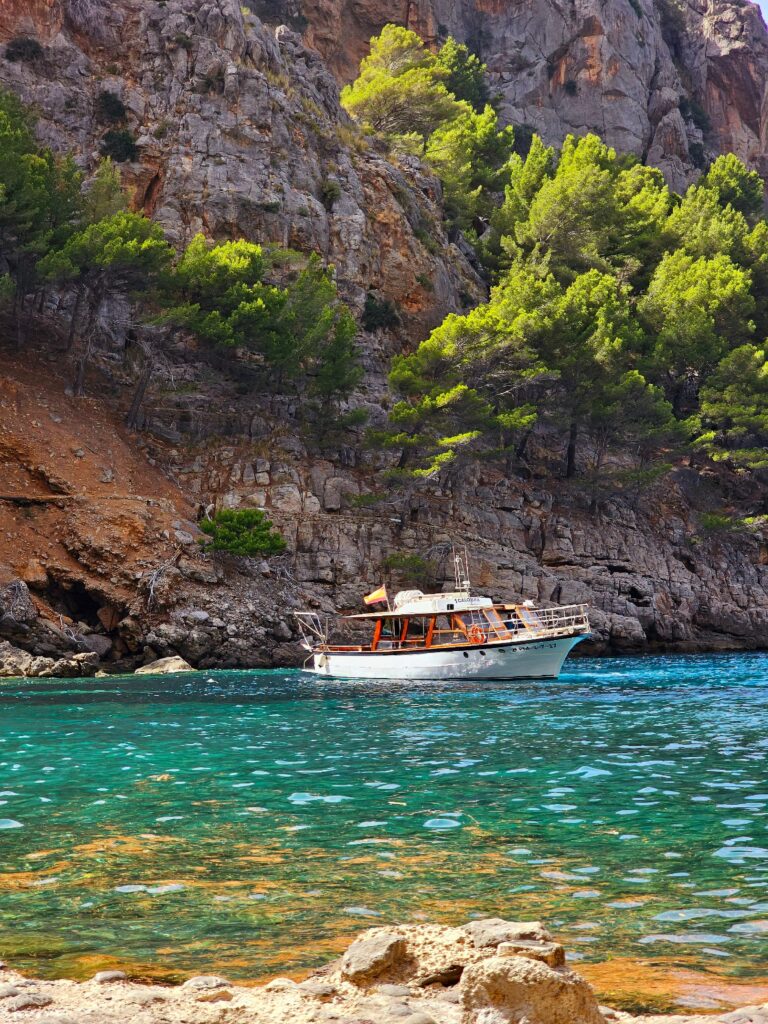
The Tramuntana mountains cut across northern Mallorca with terraced slopes and dramatic sea cliffs, a UNESCO-listed range unlike anything else in the archipelago. Menorca is flatter and greener, dotted with ancient stone monuments called talayots, while Ibiza’s interior hides pine forests and quiet farmland far from its coastal clubs. Formentera stays low and windswept, its landscape built around lagoons, dunes and some of the clearest water in the Mediterranean.
Who These Islands Suit
Mallorca works well for families, cyclists and culture seekers thanks to its size and variety, while Menorca appeals to those wanting calmer beaches and archaeological interest. Ibiza suits travellers wanting both nightlife and rural retreats, and Formentera is best for those chasing barefoot simplicity and pristine coves. Hikers, sailors and food lovers all find something distinct depending on which island they choose.
Towns and Areas Worth Visiting
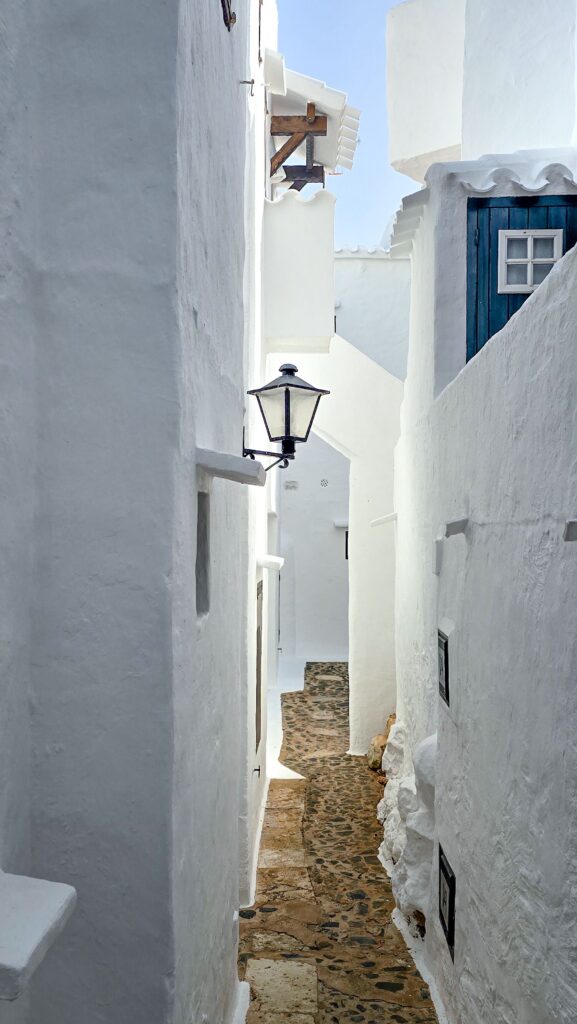
Palma de Mallorca combines a Gothic cathedral with lively market streets and is the archipelago’s main urban hub. On Menorca, Mahón and Ciutadella preserve Georgian and Moorish influences from centuries of changing rule, while Ibiza Town’s walled old quarter, Dalt Vila, is a UNESCO World Heritage site. Smaller villages like Deià, Fornalutx and Sant Josep de sa Talaia reward those willing to explore beyond the main resorts.
Getting to the Balearic Islands
All four islands are reached by air, with Palma, Menorca and Ibiza airports handling direct flights from across Europe, while Formentera is accessible only by ferry from Ibiza. Regular ferry services also connect the islands to mainland ports such as Valencia, Barcelona and Denia. Inter-island ferries make it straightforward to combine two or more islands within a single trip.
Combining Islands and Seasons
Many travellers pair Mallorca with a shorter Menorca or Ibiza stay, using ferry connections to sample contrasting island moods without long transfers. Spring and autumn bring mild temperatures around 18-23°C, ideal for hiking the Tramuntana or cycling Menorca’s quiet lanes, while summer heat, often above 30°C, suits beach holidays and sailing. Winter stays mild but many resorts close, making it the season for culture, local festivals and Palma’s off-season charm rather than beach time.