Wat is de beste periode om Santa Cruz de Tenerife te bezoeken?
Dankzij het milde klimaat is Santa Cruz het hele jaar door een aangename bestemming, maar de meeste reizigers kiezen voor de periode tussen oktober en mei vanwege de aangename temperaturen en minder regen. Let op: in februari is het extra druk vanwege het uitbundige carnaval.
Hoe kom ik in Santa Cruz de Tenerife aan?
De stad is bereikbaar via de nabijgelegen luchthavens Tenerife Noord (Los Rodeos), op ongeveer 10 km afstand, of Tenerife Zuid, dat verder weg ligt maar meer internationale vluchten aanbiedt. Vanaf beide luchthavens rijden er bussen en taxi’s naar het centrum van Santa Cruz.
Wat zijn de must-see bezienswaardigheden in Santa Cruz de Tenerife?
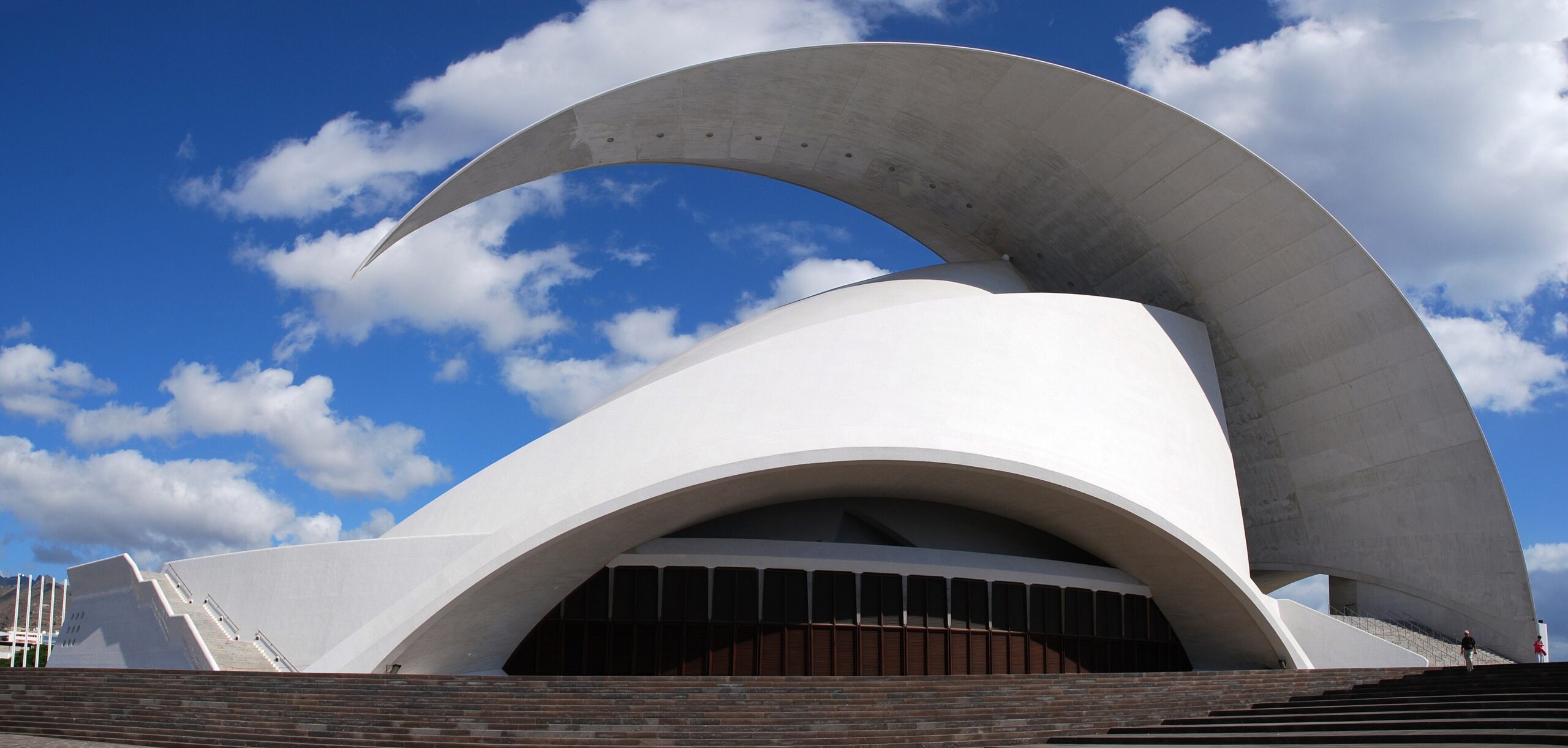
Bezoek zeker het futuristische Auditorio de Tenerife, het Museo de la Naturaleza y el Hombre voor Guanche-geschiedenis, en wandel door het levendige Parque García Sanabria. Ook een boottochtje langs de haven of een strandbezoek aan Playa de Las Teresitas zijn populaire uitstapjes.
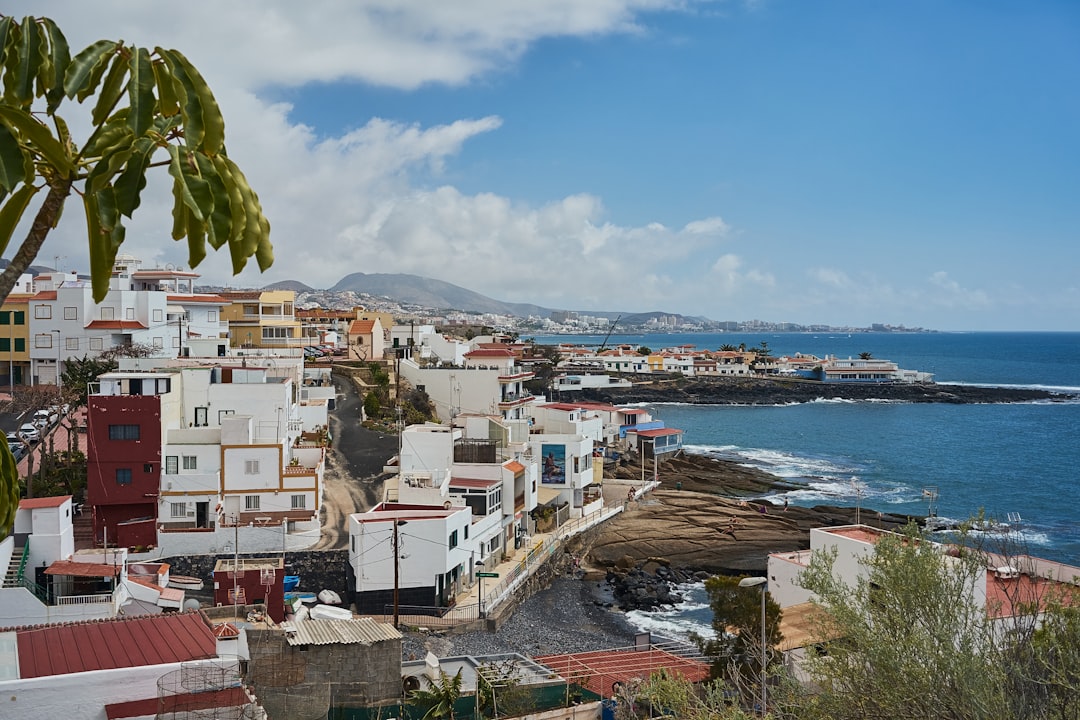
Santa Cruz de Tenerife is where the Canary Islands’ biggest island actually lives and works, a port capital of shipping cranes, colonial plazas and modern architecture rather than sunbed rows. It’s the version of Tenerife that skips the resort script and gives you a real Spanish-Atlantic city instead, with the volcano and the ocean never far from view.
A Port City with Its Own Story
Founded in 1494 as a landing point for Spanish forces, Santa Cruz spent centuries as Tenerife’s working harbour before officially becoming island capital in 1723. Horatio Nelson lost his arm here in a failed 1797 assault on the city, an episode still remembered locally and marked by a small cannon on display in the Church of San Francisco. Free-port trading status later filled the city with merchant houses and warehouses, giving the old centre its layered, unpolished character rather than a manicured old-town feel.
What to Do in Santa Cruz
Start at the Auditorio de Tenerife, Santiago Calatrava’s wave-shaped concert hall that’s become the island’s unofficial symbol, then walk the shaded Rambla de Santa Cruz and Parque García Sanabria for a break from the heat. The Museum of Nature and Man holds mummified Guanche remains from the island’s pre-conquest inhabitants, a genuinely striking stop for anyone curious about Tenerife before the Spanish arrived. For beach time without leaving the city, Las Teresitas has imported golden Saharan sand and calm water, a deliberate contrast to Tenerife’s usual black volcanic beaches.
Who This City Suits
Santa Cruz works best for travellers who want an authentic city rhythm alongside their holiday, not an all-inclusive strip. It suits culture-focused visitors, those combining a city break with hiking or beach days elsewhere on the island, and anyone happy to eat where locals eat rather than chase tourist menus. It’s a poor match for people wanting a quiet beach resort right outside their hotel door; for that, the south coast is a short drive away.
Getting to Santa Cruz de Tenerife
Tenerife North Airport (Los Rodeos) sits just 12km from the city and handles most inter-island and many mainland Spain flights, making it the more convenient arrival point than the South airport near the resort zones. Direct flights connect from Madrid, Barcelona and several European cities, while ferries run regularly from Cádiz on the mainland and between the other Canary Islands, docking right in the city centre.
Combine It With
La Laguna, Tenerife’s UNESCO-listed former capital, is 15 minutes away and worth a half-day for its colonial streets and university-town energy. The Anaga Rural Park, a mist-covered laurel forest wrinkled with hiking trails, starts almost at the city’s edge, while Mount Teide’s national park and Puerto de la Cruz’s botanical gardens are both feasible day trips for anyone based here.
Carnival and Everyday Flavours
Santa Cruz’s Carnival, held in February or early March depending on the year, is one of the largest in the world after Rio, with a costumed Queen gala, a famous drag queen contest, and street parties that spill through the city for two weeks straight. Outside Carnival, the Mercado de Nuestra Señora de África is the place for papas arrugadas with mojo sauce, fresh tropical fruit and cheap, honest seafood, giving a far better sense of daily Canarian life than any resort buffet.
Climate Through the Seasons
Spring brings mild, breezy days around 20-22°C, ideal for walking the city and coastal paths. Summer stays warm rather than scorching, typically 25-28°C, tempered by Atlantic trade winds, though occasional hot Saharan calima spells push temperatures higher. Autumn mirrors spring with pleasant, settled weather into November, and winter rarely drops below 17°C, making Santa Cruz a genuine year-round city destination even when northern Europe is grey.