Wat is de beste tijd om Santander te bezoeken?
De beste periode is van juni tot september, wanneer het mild en zonnig weer is voor stranden en buitenactiviteiten. Buiten het hoogseizoen, in mei of oktober, is het rustiger maar nog steeds aangenaam.
Hoe kom ik in Santander aan?
Santander heeft een eigen luchthaven (Seve Ballesteros Airport) met vluchten vanuit onder andere Madrid, Barcelona en enkele Europese steden. Daarnaast is de stad bereikbaar per trein of bus vanuit Madrid en Bilbao, en per ferry vanuit Plymouth (VK) met Brittany Ferries.
Wat zijn de leukste dingen om te doen in Santander?
Bezoek het strand El Sardinero, wandel langs de Bahía de Santander en verken het Palacio de la Magdalena op zijn schiereiland. Ook een dagtrip naar het pittoreske Santillana del Mar in de buurt is de moeite waard.
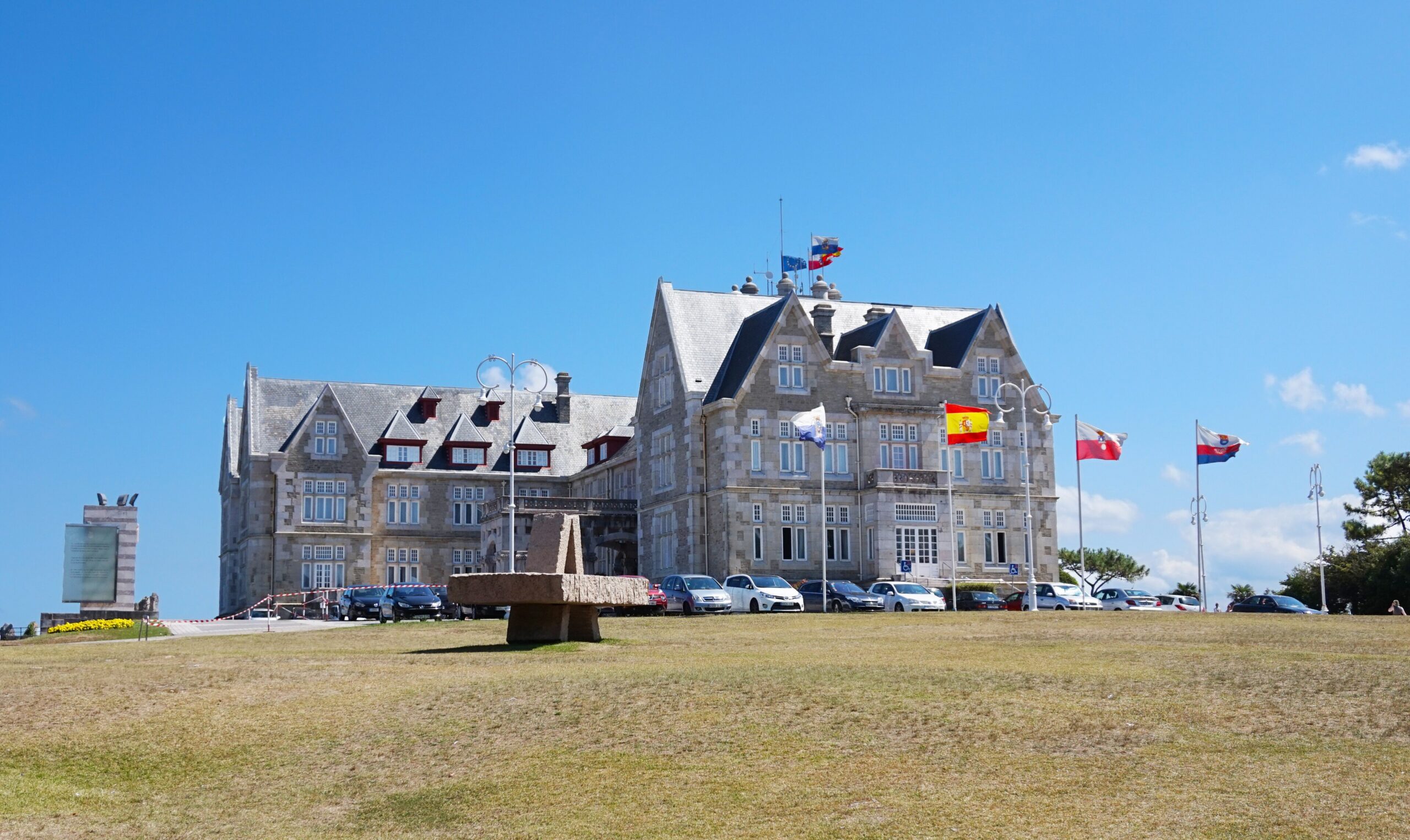
Santander is the kind of Spanish city that doesn’t shout for attention, which is exactly its appeal. Built around a sweeping bay and crowned by a royal summer palace, it mixes genteel 19th-century architecture with surfable beaches and some of the best seafood on Spain’s northern coast.
A City Built for Summer Royalty
Santander’s elegant character dates back to the early 1900s, when King Alfonso XIII chose the city as his summer residence and had the Palacio de la Magdalena built on its own peninsula overlooking the sea. That royal seal of approval turned Santander into a fashionable retreat for Spain’s upper classes, and the wide boulevards and grand villas around El Sardinero still reflect that era. A devastating fire in 1941 destroyed much of the old town, so today’s centre is a rebuilt blend of orderly post-war streets rather than a medieval maze, giving the city a distinctly clean, open feel unusual for northern Spain.
Things to Do in Santander
Playa del Sardinero is the city’s main stage, a long, sandy beach backed by Belle Époque hotels and a casino, popular with both sunbathers and surfers riding the Atlantic swell. The Palacio de la Magdalena and its surrounding cliffside park are open to wander, with views across the bay to the Cantabrian mountains beyond. For something more contemporary, Centro Botín, designed by Renzo Piano and suspended over the water, hosts changing art exhibitions and doubles as a striking piece of waterfront architecture. Round it off at Mercado de la Esperanza, the covered fish market where the day’s Cantabrian catch is sold beneath ornate 19th-century ironwork.
Rabas and the Cantabrian Table
Santander’s signature dish is rabas, deep-fried squid rings served in nearly every bar along the harbour, a specialty locals take seriously enough to argue over the best version. Cocido montañés, a hearty bean stew with cabbage and pork, reflects the mountain influence just inland, while sweet sobaos pasiegos and quesada pasiega make popular takeaways from Cantabria’s dairy country. Evenings revolve around unhurried pintxos and cider in the streets around Calle del Río de la Pila, a much lower-key scene than Spain’s more tourist-heavy coasts.
Festivals Worth Timing Your Visit Around
Mid-July brings the Virgen del Carmen festival, when fishing boats are blessed in the harbour in honour of the patron saint of sailors, a tradition that reveals how much the city’s identity is still tied to the sea. Late July and August see Santander’s Semana Grande, packed with concerts, fireworks over the bay, and open-air events that fill the Sardinero promenade. The city’s International Festival brings classical music, theatre and dance performances through August, drawing a cultured summer crowd without ever feeling overrun.
Who Santander Suits
Santander appeals to travellers who want a proper Spanish holiday without the peak-season crowds of the Costa del Sol or Barcelona, think couples after understated elegance, families drawn to safe, clean beaches, and surfers chasing Atlantic swell. It also suits road-trippers using the city as a base, since Cantabria’s greener, mountainous landscapes are a world away from the sun-baked south. Nightlife is relaxed rather than raucous, making it better suited to travellers who prioritise good food and scenery over big clubs.
Getting to Santander
Seve Ballesteros Airport sits just outside the city and connects with regular flights from the UK and other European hubs via carriers like Ryanair and Vueling. Uniquely for a Spanish city, Santander is also reachable by sea, Brittany Ferries runs a roughly 24-hour crossing from Plymouth, making it a popular gateway for road-trippers bringing their own car into northern Spain. By land, Renfe trains and long-distance buses link Santander with Madrid and Bilbao, the latter just over an hour and a half away.
Combine With Cantabria and Beyond
Santander works well as a base for exploring the rest of Cantabria, including the medieval stone town of Santillana del Mar and the nearby Altamira Caves, famous for their prehistoric cave paintings. Comillas, home to Gaudí’s whimsical El Capricho villa, makes an easy day trip along the coast, while the dramatic Picos de Europa mountains offer hiking and gorge scenery within about an hour’s drive. Bilbao and the Guggenheim Museum are close enough for a straightforward day trip too, making Santander a practical anchor point for a wider northern Spain itinerary.
Climate Through the Seasons
Spring (March to May) is mild and often rainy, with temperatures around 12-18°C and a fresh, green landscape typical of Green Spain. Summer (June to September) stays comfortably warm rather than scorching, usually 20-25°C, cooled by Atlantic breezes that make it far more bearable than Spain’s southern coasts. Autumn (October to November) brings back the rain and moody skies but also fewer crowds and dramatic coastal light. Winter (December to February) is mild by northern European standards, rarely dropping below 8°C, though frequent rain and wind are part of the deal.