Wat is de beste tijd om Santillana del Mar te bezoeken?
De lente en vroege herfst zijn ideaal vanwege het milde klimaat en minder drukte dan in de zomer. In juli en augustus is het dorp erg populair bij toeristen, wat kan zorgen voor drukte in de smalle straatjes.
Hoe kom je in Santillana del Mar en is het makkelijk te voet te verkennen?
Het dichtstbijzijnde vliegveld is Santander, van waaruit je met de bus of auto in ongeveer 30 minuten in Santillana del Mar bent. Het historische centrum is compact en autovrij, waardoor het perfect te voet te verkennen is.
Wat zijn de belangrijkste bezienswaardigheden in en rond Santillana del Mar?
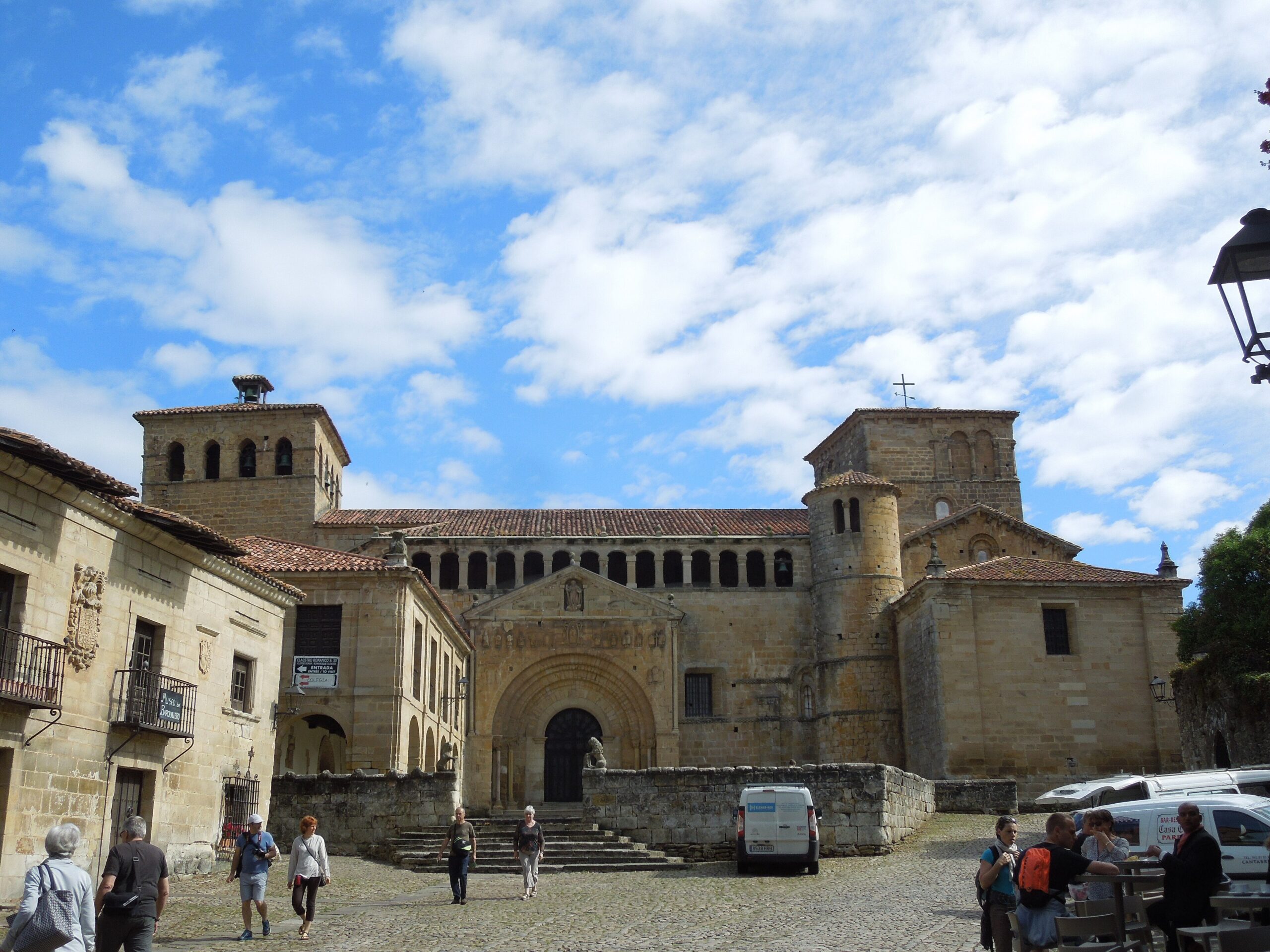
Een bezoek aan de Colegiata de Santa Juliana en een wandeling door de middeleeuwse straatjes zijn absolute musts. Ook de nabijgelegen grotten van Altamira, bekend om hun prehistorische rotsschilderingen, zijn een populaire attractie.
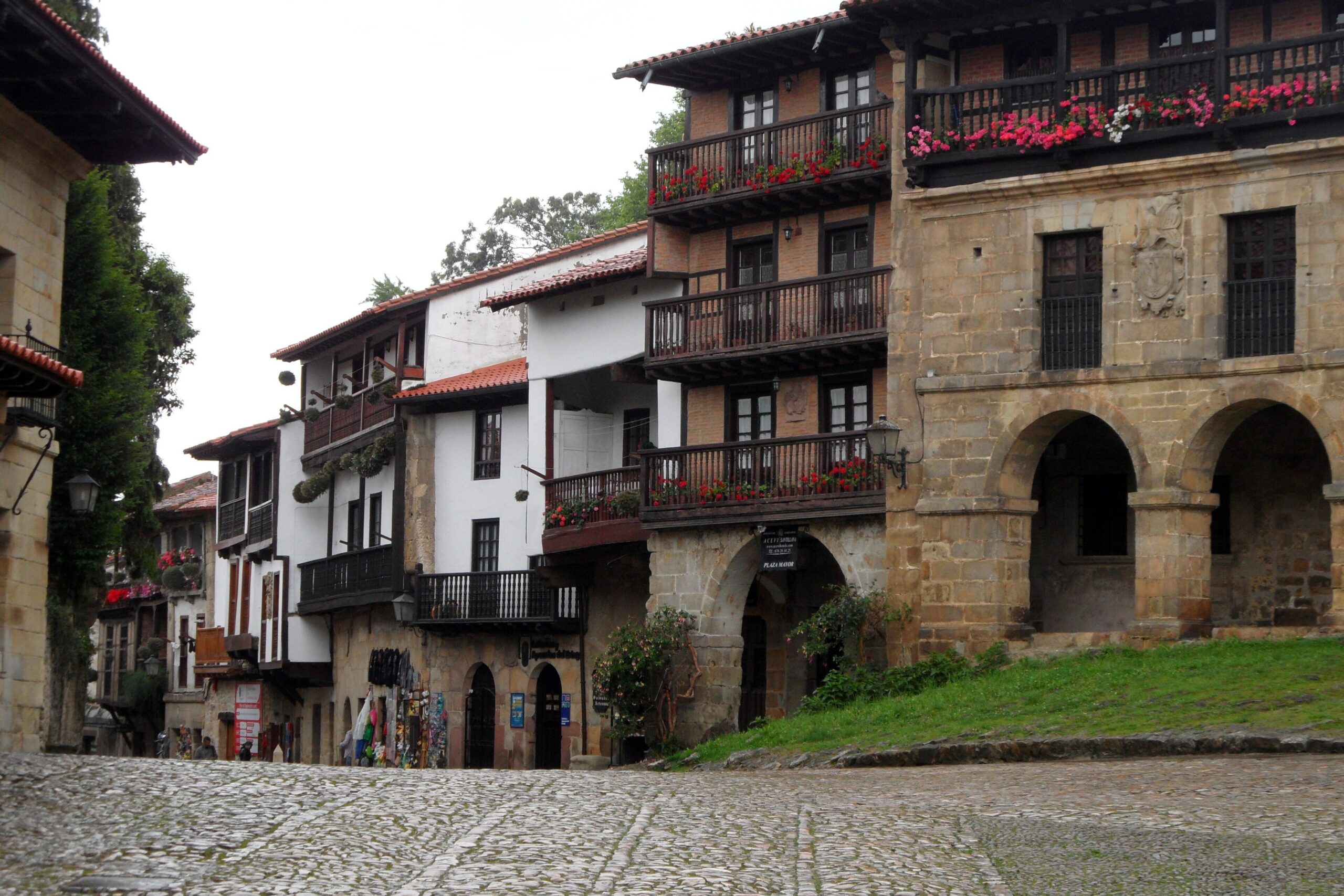
Tucked into the green hills of Cantabria, Santillana del Mar is one of those places that quietly outshines destinations twice its size. Its ochre stone mansions, cobbled lanes and coats of arms have barely changed since the 15th century, and despite the name, the sea is nowhere in sight. This is a holiday for people who want history without the crowds, and countryside without the crowds either.
Cobbled Streets and a Living Museum
Santillana del Mar grew up around a monastery holding the relics of Santa Juliana, and by the late Middle Ages it had become a stop for pilgrims and a showcase for wealthy families who built the stone mansions still lining the main street. The Colegiata de Santa Juliana, a 12th-century Romanesque church with a beautifully carved cloister, remains the town’s centrepiece. Just two kilometres away sit the Altamira Caves, where Palaeolithic paintings dating back 36,000 years were discovered in 1879; the original cave is closed to protect the artwork, but the on-site Neocueva museum recreates it in striking detail.
Cantabria’s Quiet Star
Unlike the polished, souvenir-heavy old towns found elsewhere in Spain, Santillana del Mar still feels lived-in: laundry hangs from balconies above centuries-old doorways, and cows sometimes graze in fields at the edge of town. It’s compact enough to explore entirely on foot in an afternoon, yet atmospheric enough to justify staying two or three nights. Evenings here are slow, with quiet plazas, small bars serving local wine, and none of the nightlife bustle of coastal resorts.
Who Should Visit
This is a destination for travellers who prefer authenticity over spectacle: history lovers, slow-travel couples, and families keen to combine a prehistoric cave visit with genuine medieval architecture. It suits those road-tripping through northern Spain rather than beach-only holidaymakers, since the coast itself is a short drive away rather than on the doorstep. Photographers and architecture enthusiasts in particular will find plenty to linger over.
Local Flavours: Cocido, Quesada and Mountain Cheese
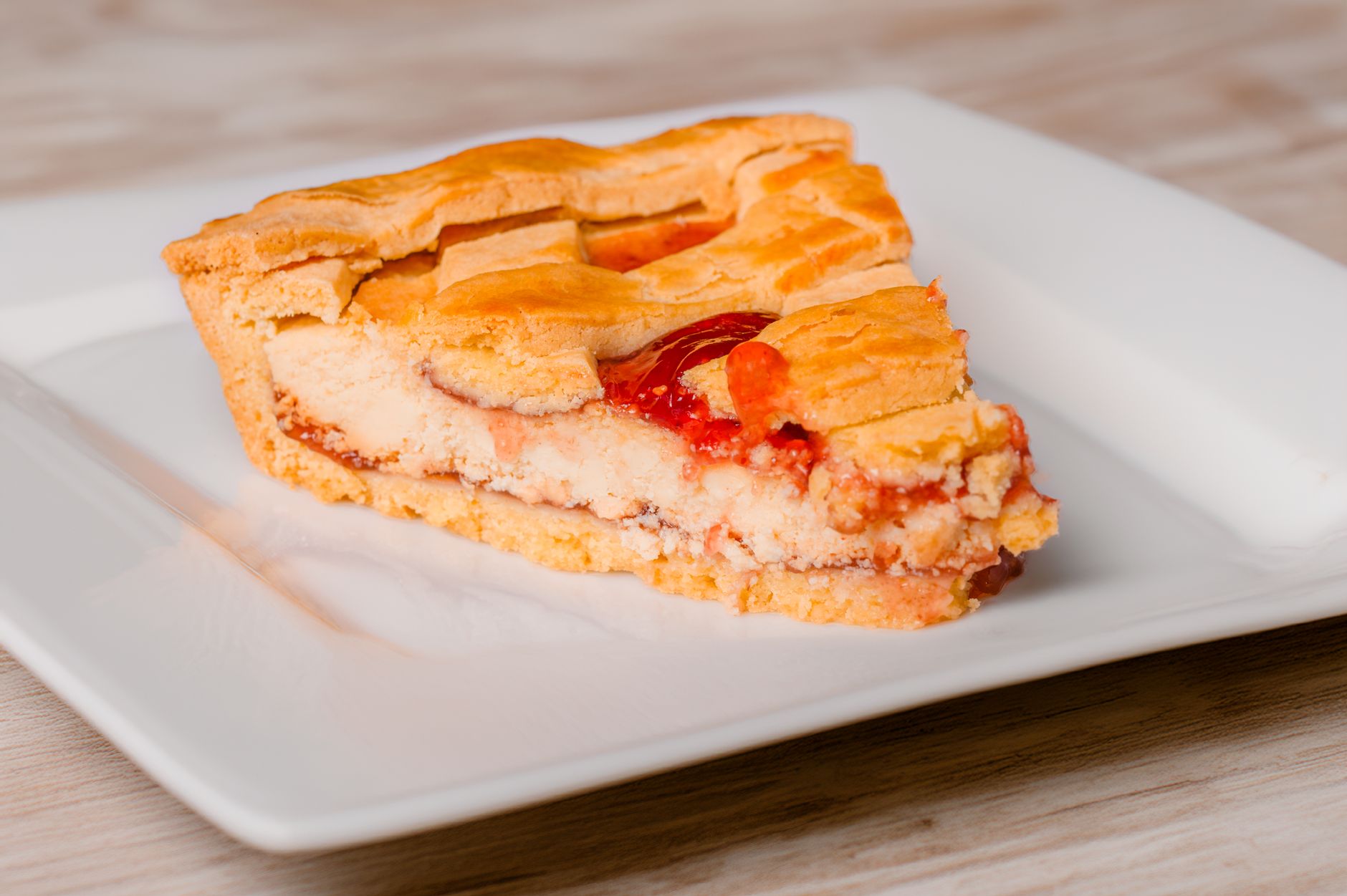
Cantabrian food culture leans hearty and rustic, and Santillana’s small restaurants serve classics like cocido montañés, a rich bean stew with cabbage and pork, alongside quesada pasiega, a dense, lemon-scented cheesecake that’s a regional signature dessert. Local cheeses from the surrounding Picos de Europa foothills often appear on simple tapas boards. Look for family-run sidrerías and taverns just off the main street rather than restaurants directly facing the Colegiata.
Saints, Markets and Summer Nights
The town celebrates its patron saint during the Fiestas de Santa Juliana in late July, with religious processions, music and communal meals filling the streets. Throughout summer, medieval market days transform the centre with craft stalls, period costumes and street performances, drawing on the town’s genuine medieval fabric rather than a manufactured theme. Semana Santa (Easter Week) also brings solemn, smaller-scale processions typical of northern Spain.
Cantabria’s Mild, Green Climate
Spring (March–May) is mild and often damp, with temperatures around 12–18°C and the countryside at its greenest. Summer (June–August) stays comfortably warm rather than hot, typically 20–25°C, making it pleasant for walking without the heat found further south. Autumn (September–November) brings more rain and rich golden light, with temperatures around 15–20°C, while winter (December–February) is mild but wet, rarely dropping below freezing yet consistently overcast.
Getting There and Nearby Escapes
The nearest airport is Santander (Seve Ballesteros), just 30 minutes away and served by budget routes from the UK and Europe; Bilbao Airport, around 90 minutes by car, offers more international connections. Renting a car is the most practical option, since local bus links are limited. Santillana pairs naturally with a wider Cantabria itinerary: Comillas and Gaudí’s El Capricho are 15 minutes away, Santander’s beaches and city life are half an hour further, and the dramatic Picos de Europa mountains make an easy day trip inland.