Wat is de beste tijd om Salamanca te bezoeken?
De lente (april-juni) en het vroege najaar (september-oktober) zijn ideaal dankzij het milde weer en minder toeristen. De zomer kan erg heet worden, met temperaturen die vaak boven de 30°C uitkomen.
Hoe kom ik in Salamanca aan?
De makkelijkste manier is met de trein of bus vanuit Madrid, wat ongeveer 1,5 tot 2,5 uur duurt. Er is geen internationale luchthaven in Salamanca zelf, dus de meeste reizigers vliegen naar Madrid en reizen vandaar verder.
Wat zijn de must-see bezienswaardigheden in Salamanca?
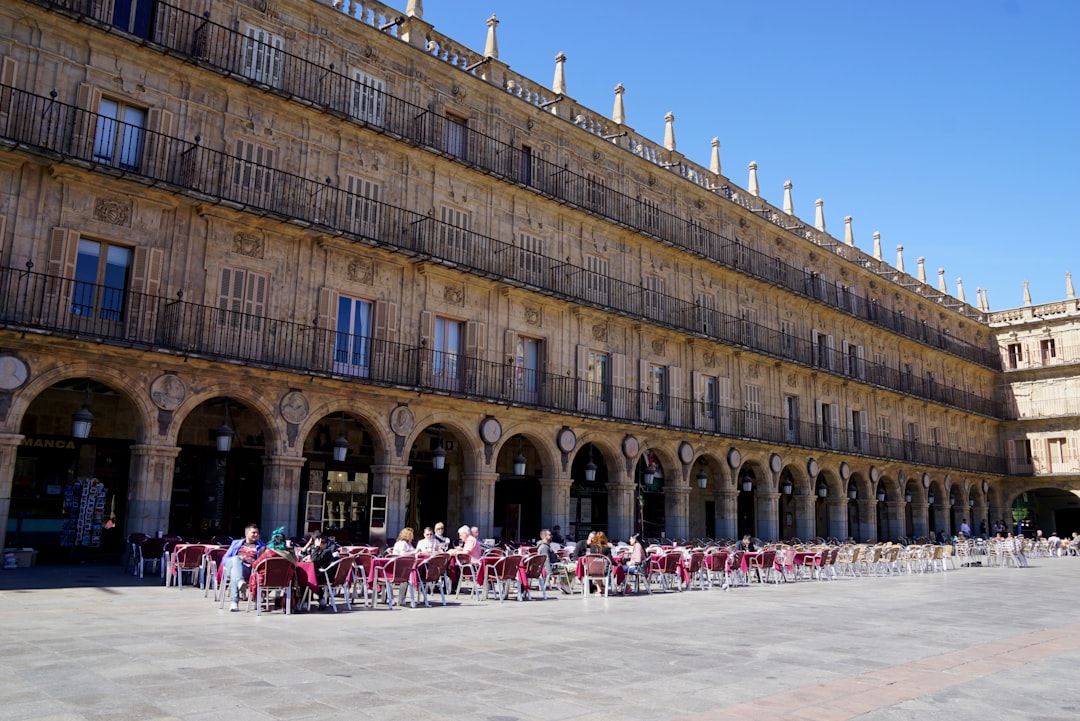
De Plaza Mayor, de oude en nieuwe kathedraal en de historische Universidad de Salamanca zijn absolute hoogtepunten. Vergeet ook niet de beroemde kikker te zoeken op de gevel van de universiteit, een traditie die geluk zou brengen.
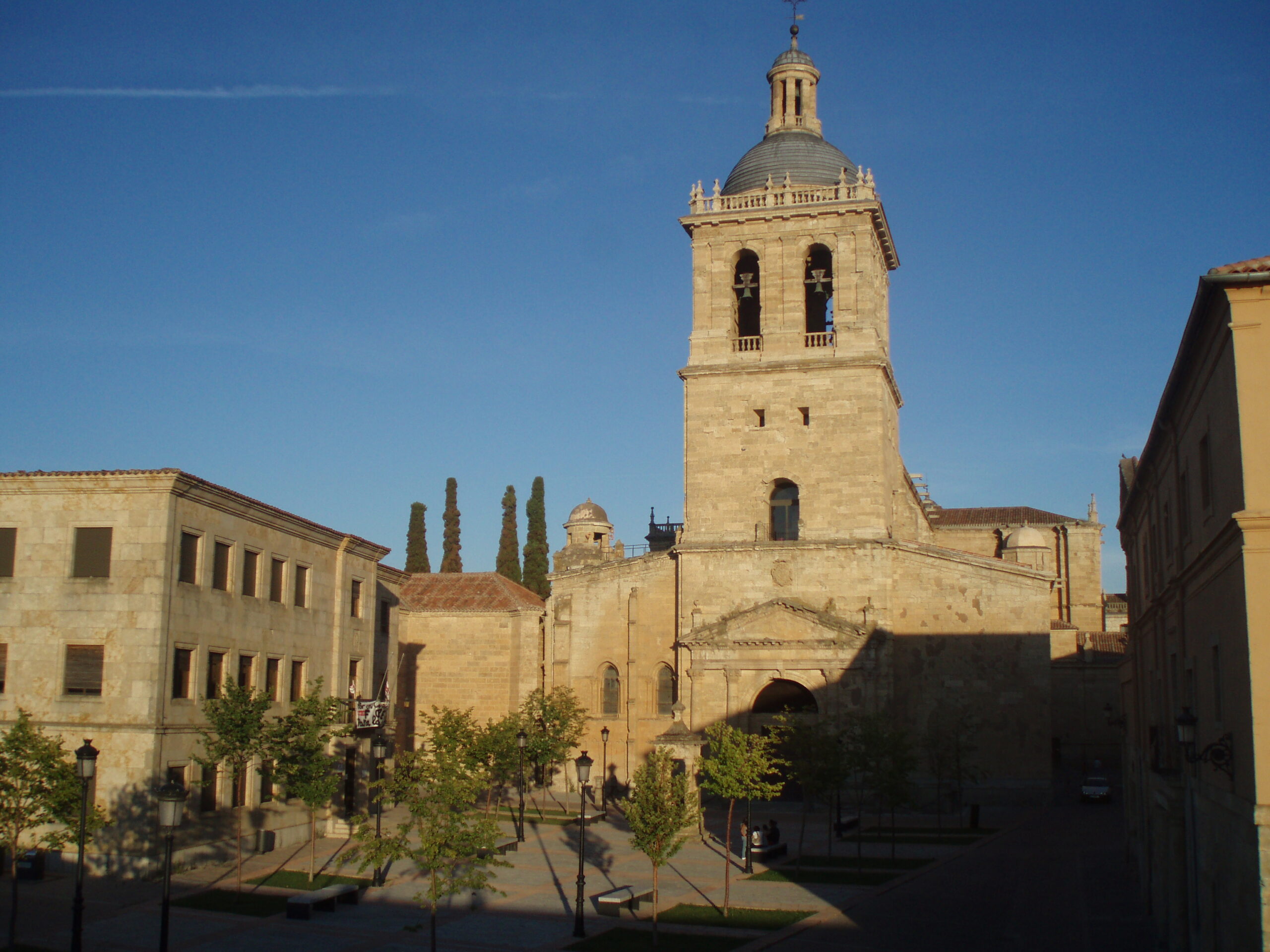
Salamanca glows literally and figuratively: its sandstone buildings turn amber at sunset, and its streets buzz with energy from one of Europe’s oldest universities. This is a city where medieval history and student life collide in the best possible way, making it one of Castilla y León’s most rewarding stops.
Things to Do in Salamanca
Start at the Plaza Mayor, widely considered one of Spain’s most beautiful squares, then head to the University of Salamanca, founded in 1218, where legend says finding the hidden frog carved into the facade brings good luck (and exam success, according to generations of students). The Old and New Cathedrals sit side by side, showing off Romanesque and Gothic styles under one roof, while the Casa de las Conchas, a 15th-century house studded with hundreds of stone shells, makes for one of the city’s most photographed corners. Cross the Roman bridge over the Tormes river for a classic postcard view back over the old town.
Vibe and Character
Salamanca has the rare combination of monumental grandeur and youthful buzz, thanks to a student population that fills its tapas bars and plazas well into the night. By day it feels scholarly and unhurried, with locals lingering over coffee under the arcades of Plaza Mayor; by night the streets around Calle Van Dyck and Gran Vía turn lively without tipping into chaos. It’s a compact, walkable city, so the atmosphere shifts easily between quiet cloisters and animated terraces within a few minutes’ stroll.
Who Salamanca Suits
This city appeals to culture lovers, architecture enthusiasts and anyone drawn to a slower, more authentic Spanish experience than the coastal hotspots offer. It also suits younger travellers and couples looking for good nightlife without the overwhelming crowds of Madrid or Barcelona, and history buffs will appreciate the genuine depth behind every stone facade. Families will find it manageable too, since most sights cluster within the compact historic centre.
Getting to Salamanca
Salamanca has no international airport, so most travellers fly into Madrid and continue by train or bus, a journey of around 1.5 to 2 hours on the direct Avlo or regional rail services. Driving from Madrid takes roughly the same time via the A-50 motorway, and it’s also an easy add-on if you’re travelling overland from Portugal, with Porto around 3 hours away by car.
Combine Your Trip
Salamanca pairs naturally with other Castilla y León highlights like Ávila’s medieval walls and Segovia’s Roman aqueduct, both reachable in under two hours. For something quieter, the fortified border town of Ciudad Rodrigo makes a scenic day trip, while adventurous travellers can continue west into Portugal’s Douro Valley for a wine-focused finale to the trip.