Wat is de beste tijd om Toledo te bezoeken?
De lente (april-juni) en het najaar (september-oktober) zijn ideaal vanwege het milde weer en minder toeristen. De zomer kan erg heet worden, met temperaturen die vaak boven de 35°C uitkomen.
Hoe kom ik van Madrid naar Toledo?
De snelste manier is de hogesnelheidstrein (AVE) vanaf station Madrid Atocha, die de reis in ongeveer 30 minuten aflegt. Ook zijn er regelmatig bussen beschikbaar die er ongeveer een uur over doen en goedkoper zijn.
Wat zijn de must-see bezienswaardigheden in Toledo?
De Kathedraal van Toledo en het Alcázar zijn absolute hoogtepunten die de rijke geschiedenis van de stad tonen. Ook een wandeling door de smalle straatjes van de historische Joodse wijk en een bezoek aan de synagoge Santa María la Blanca zijn zeer aan te raden.
Perched on a granite outcrop encircled by the Tagus River, Toledo packs more than a thousand years of history into a maze of narrow lanes barely wide enough for two people to pass. Once the capital of Visigothic and later Christian Spain, it’s a city where mosques were turned into churches, synagogues stand beside cathedrals, and swordsmiths still work the same trade that made the city famous centuries ago. A Toledo Spain holiday is less about beaches and more about wandering, getting pleasantly lost, and stumbling on something extraordinary around every corner.
A City Shaped by Three Faiths
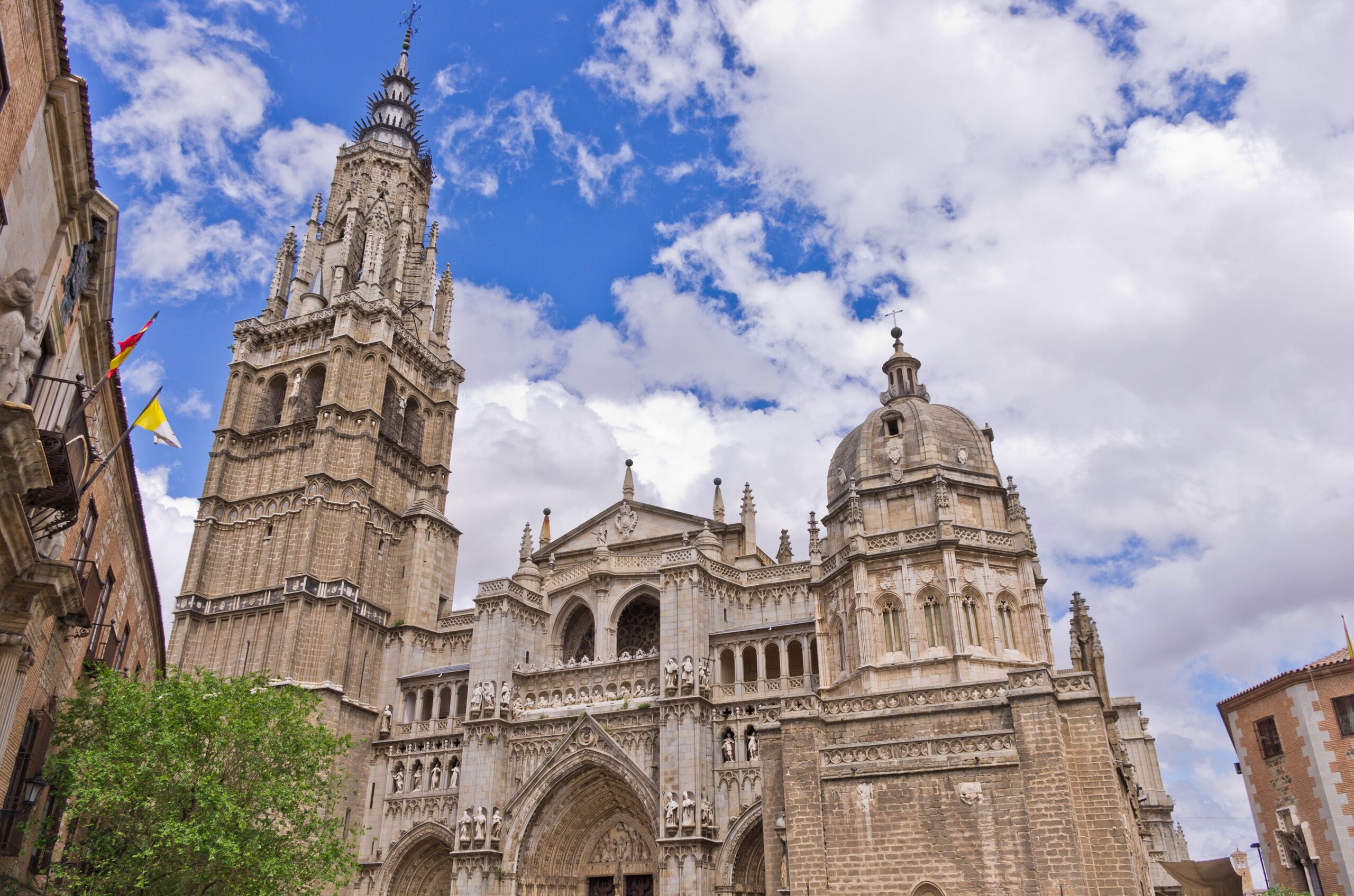
Toledo earned the nickname ‘City of Three Cultures’ because Muslims, Jews and Christians lived and built side by side here for centuries, leaving behind a rare architectural mix. The Cathedral of Toledo, one of Spain’s great Gothic buildings, sits near the Sinagoga del Tránsito and the Mezquita del Cristo de la Luz, a former mosque that survived largely intact. This layered history is still visible in the street plan itself, a tangle of alleys that follows old Moorish patterns rather than any modern grid.
What to Do in Toledo
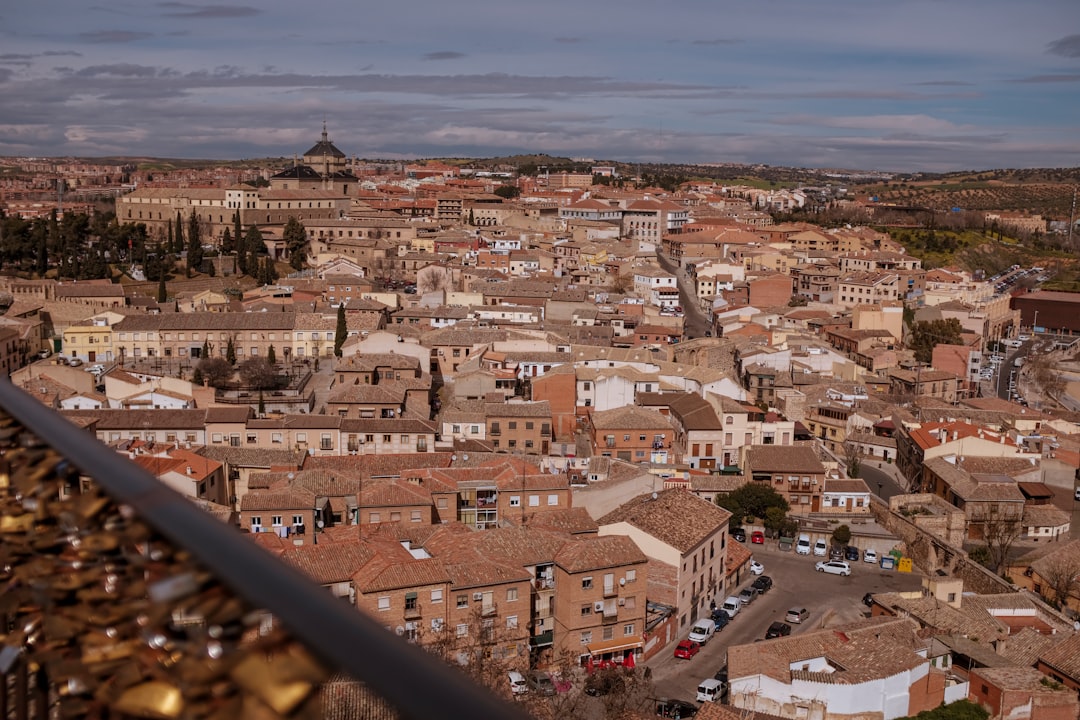
Beyond the cathedral, don’t miss the Alcázar fortress with its military museum, the El Greco Museum dedicated to the painter who made Toledo his home, and the Monasterio de San Juan de los Reyes with its intricate cloister. Toledo is also Spain’s traditional centre for sword-making and Damascene metalwork, and workshops around the old town still sell handcrafted blades and jewellery. For the best view of the city, cross the Puente de Alcántara and walk up to the Mirador del Valle at sunset, when the whole skyline turns gold.
The Vibe: Quiet Grandeur
Toledo feels dramatic rather than relaxed, an imposing stone city that rewards slow exploration rather than a checklist approach. It’s compact enough to cover on foot in a day or two, but atmospheric enough to justify staying overnight, when day-trippers from Madrid have left and the streets empty out. Evenings bring a hush broken only by the sound of footsteps on cobblestones and the occasional church bell.
Who Toledo Suits
This is a city for travellers drawn to history, architecture and atmosphere rather than nightlife or beaches. Couples and solo travellers looking for a slower, more contemplative trip will feel at home here, as will families interested in giving kids a tangible sense of medieval Spain. It’s less suited to those wanting resort-style holidays, though it works well as part of a longer Spanish itinerary.
Getting to Toledo
Toledo’s biggest advantage is its proximity to Madrid: high-speed AVE trains connect the two cities in around 30 minutes, making a day trip or short stay very easy to combine with a Madrid holiday. The nearest airports are Madrid-Barajas (about an hour by car) and, for budget flights, Madrid’s smaller regional options. Driving from Madrid takes roughly an hour via the A-42 motorway, and there’s also a direct bus service if you’d rather skip the car.
Combine It With
Toledo pairs naturally with Madrid, whether as a day trip or the next stop on a longer route through central Spain. Further south, the windmill-topped hills of Consuegra and the vineyards of La Mancha make an easy extension, especially if you’re interested in Don Quixote’s fictional landscape. Travellers with more time can continue toward Córdoba or Aranjuez, both reachable by train, to build a fuller picture of Castilian and Andalusian Spain.
Food, Drink and Local Traditions
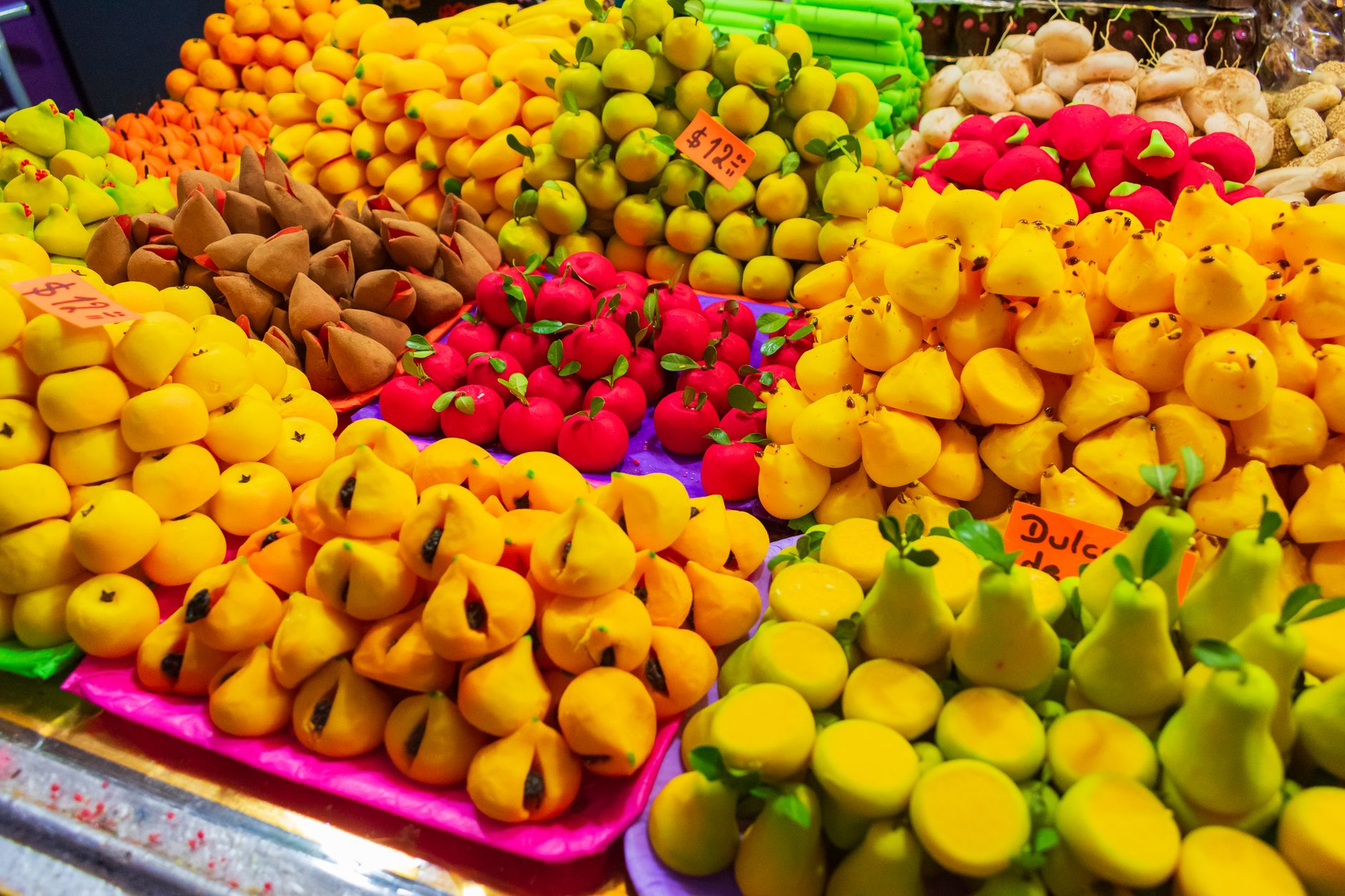
Local food leans heavily on game and hearty stews: try carcamusas (a spiced pork stew) or perdiz a la toledana (partridge stewed with wine and vegetables), both firmly rooted in the region’s hunting traditions. Toledo is also famous for its marzipan, sold in bakeries throughout the old town, especially around Christmas and Easter. The city’s Corpus Christi procession, usually in late May or June, is one of the most elaborate in Spain, with streets carpeted in flowers and herbs as the Custodia relic is carried through town.
Climate Through the Seasons
Spring (March–May) is arguably the best time to visit, with mild days, blooming courtyards and comfortable walking weather. Summers (June–August) are intensely hot and dry, often exceeding 35°C, so early mornings and evenings are the best times to explore. Autumn (September–November) brings a return to pleasant temperatures and softer light, ideal for photography, while winter (December–February) is cold and can be damp, with occasional frosty mornings but far fewer crowds.