What is the best time to visit A Coruña?
The best time to visit is between May and September, when temperatures are mild and rainfall is lowest. Summer months offer the best beach weather, though Galicia’s Atlantic climate means rain is possible year-round.
How do you get to A Coruña?
A Coruña has its own airport (LCG) with domestic and some European flights, mainly connecting through Madrid or Barcelona. Alternatively, you can take a train or bus from Santiago de Compostela or Madrid, or fly into Santiago airport and continue by road.
What are the must-see attractions in A Coruña?
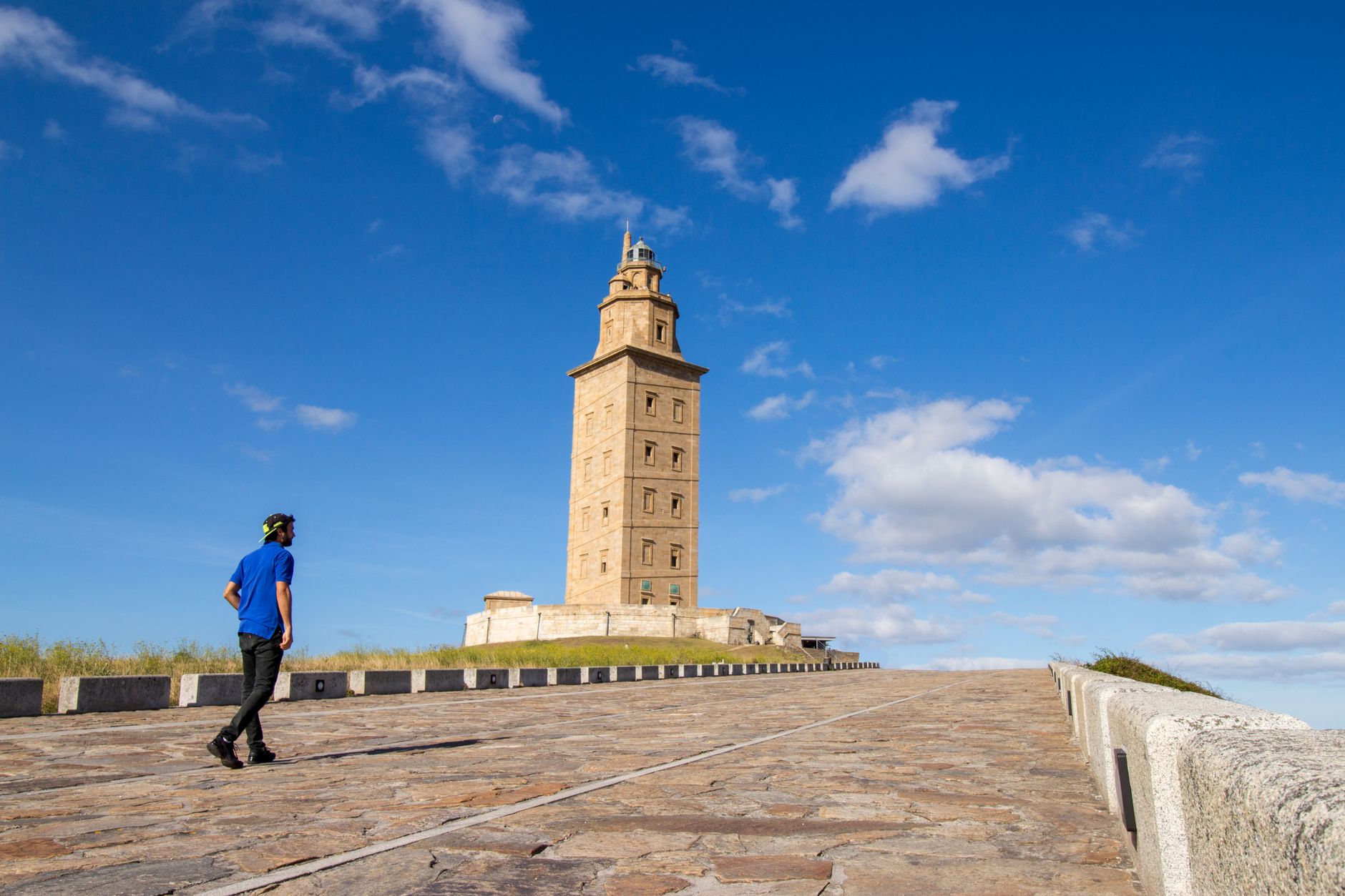
Top sights include the Tower of Hercules, a Roman lighthouse and UNESCO World Heritage Site, and the Old Town with its glass-fronted galería buildings along the waterfront. The Riazor and Orzán beaches, right in the city center, are also popular for a stroll or swim.
A Coruña is the kind of Spanish city that surprises first-time visitors: a working port with sandy beaches inside the city limits, a 2,000-year-old lighthouse still guiding ships, and a food culture built entirely around what the Atlantic brings in that morning. It’s less polished than Spain’s southern hotspots, and that’s exactly its appeal for travellers who want real Galician life rather than a postcard version of it.
A City Shaped by Fire and Sea
The Torre de Hércules, a Roman lighthouse still in operation after nearly two millennia, marks A Coruña as one of the oldest continuously inhabited port cities in Europe. In 1589, local heroine María Pita famously raised the alarm that helped repel Francis Drake’s invading fleet, and her name now graces the grand square at the city’s heart. Today A Coruña is also known as the birthplace of Zara’s founder, giving the city an unexpected mix of maritime tradition and global fashion money. It suits independent travellers, food lovers and anyone drawn to authentic coastal cities over resort towns.
What to Do in A Coruña
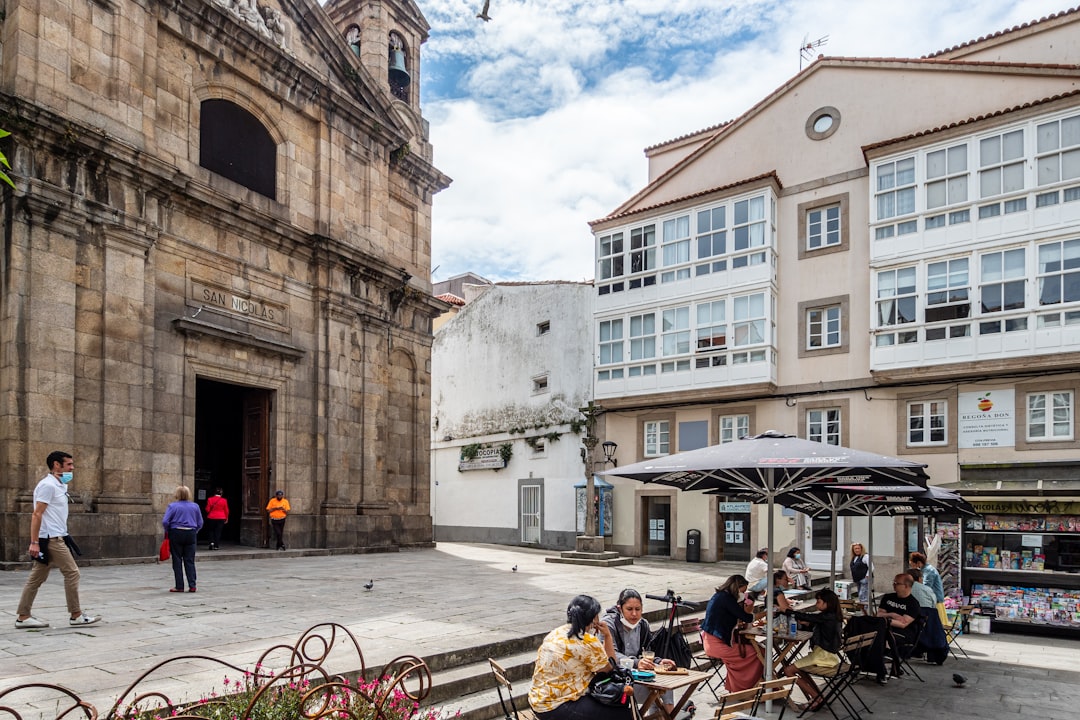
Climb the UNESCO-listed Torre de Hércules for sweeping Atlantic views, then walk the 13km Paseo Marítimo, one of Europe’s longest seaside promenades, along the cliffs and beaches. Riazor and Orzán, two blonde-sand beaches, sit right in the city centre and fill with surfers and swimmers even on cooler days. Don’t miss the glass-fronted galerías lining the harbour, a local architectural signature designed to catch every ray of light against the grey Atlantic sky, and the aquarium and science museum at the Domus for a rainy-day option.
Local Flavours and Galician Voices
Galician (galego) is spoken widely alongside Spanish, and you’ll see it on menus, street signs and in everyday conversation. The food scene revolves around the sea: percebes (goose barnacles), pulpo á feira (paprika-dusted octopus) and empanada gallega are staples, best washed down with a cold Estrella Galicia beer. Head to the tapas bars around Calle Franja or Plaza de María Pita for an unhurried evening of small plates and local wine.
Festivals That Bring the City to Life
On the night of 23 June, Noche de San Juan turns every beach into a bonfire party, with locals leaping over flames and eating sardines until dawn to mark the summer solstice. In August, the month-long Festas de María Pita fills the city with concerts, fireworks and open-air events commemorating the 1589 siege, making it one of the liveliest times to visit.
Getting There and When to Go
A Coruña has its own small airport with limited routes, so many travellers fly into Santiago de Compostela and continue by train or bus (around 45 minutes) or take a direct high-speed train from Madrid. The climate is mild and Atlantic: spring brings green landscapes and unpredictable showers, summer stays comfortably cool around 22°C, autumn is atmospheric with dramatic skies, and winter is mild but wet, rarely dropping below 8°C.
Pairing A Coruña with the Rest of Galicia
A Coruña combines naturally with Santiago de Compostela, the pilgrimage city just under an hour away, and it also marks the end point of the Camino Inglés for walkers arriving by sea. From here, the wild cliffs of Costa da Morte and the fishing villages of the Rías Altas are easy day trips, offering a wilder, quieter contrast to the city’s harbour life.