Wat is de beste tijd om Belesar te bezoeken?
De late lente en vroege herfst (mei-juni en september) zijn ideaal vanwege het milde weer en de groene wijngaarden langs de Miño-rivier. In de zomer kan het warm zijn, maar dan zijn er ook meer bootexcursies beschikbaar op het stuwmeer.
Hoe kom ik in Belesar?
Belesar ligt in de gemeente Chantada en is het best bereikbaar met de auto vanaf Lugo of Santiago de Compostela, via lokale wegen door de Ribeira Sacra. Er is geen treinstation in de buurt, dus een huurauto is de meest praktische optie.
Wat zijn de belangrijkste bezienswaardigheden in Belesar?
De historische stenen brug over de Miño en het uitzicht op de terrasvormige wijngaarden van de Ribeira Sacra zijn de hoogtepunten. Ook een boottocht op het Belesar-stuwmeer, waarbij je de dramatische kloofwanden kunt bewonderen, is een aanrader.
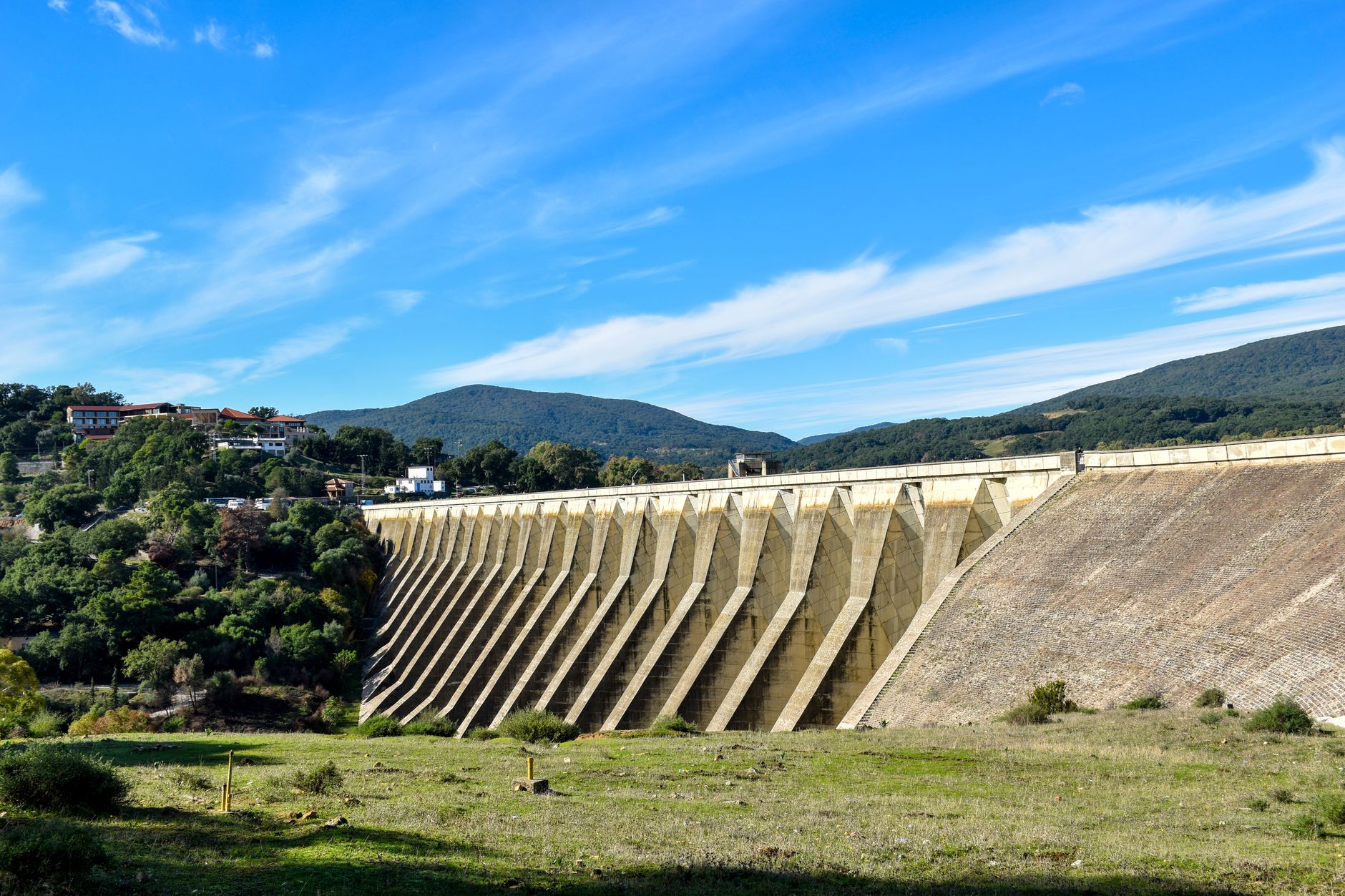
Belesar is barely a dot on the map, a handful of stone houses in the Chantada municipality of Lugo province, but it sits at the heart of one of Spain’s most striking landscapes. Here the Miño River widens into a long reservoir hemmed in by near-vertical vineyard terraces, part of the Ribeira Sacra wine region that has been shaped by monks and farmers for over a thousand years. It’s a destination for travellers who want quiet, scenery and a glass of Mencía rather than crowds and checklists.
What to Do in Belesar
The main activity here is simply looking: the terraced slopes around Belesar are among the most dramatic in the Ribeira Sacra, and small roads wind past them offering constant photo stops. Catamaran cruises depart from nearby jetties to explore the flooded canyon of the Miño, gliding past cliffside vineyards and the ruins of old river life submerged when the dam was built. Hikers can follow sections of the Ribeira Sacra footpaths connecting Belesar to villages like Chantada, passing chestnut woods, granite hórreos and family-run wineries open for informal tastings.
Vibe and Character
Belesar feels suspended between agriculture and legend: vines climb impossibly steep hillsides, and mist often lingers over the water in the early morning. There are no boutique hotels or souvenir shops, just working vineyards, a bar or two, and the sound of the river. It rewards travellers happy to slow down and follow rural roads without expecting polished tourist infrastructure.
Who It Suits
This is a fit for wine lovers, hikers, and anyone drawn to landscapes over landmarks — road-trippers exploring inland Galicia, photographers chasing river light, and couples wanting a rural escape rather than a beach holiday. It’s less suited to travellers who need nightlife, shopping or a wide choice of restaurants close by.
Getting to Belesar
The nearest airports are Santiago de Compostela (around 100 km) and A Coruña, both connected internationally, with a smaller regional option at Lugo. From either, the drive winds through Lugo’s inland hills via Chantada, the closest town with services; renting a car is essential since public transport barely reaches this stretch of the Ribeira Sacra.
Combine Belesar With
Chantada, just a short drive away, offers markets, shops and a base with more facilities. The wider Ribeira Sacra deserves a few days, including the Sil River canyon viewpoints near Sober, the cliffside monastery of Santo Estevo, and the historic town of Monforte de Lemos with its hilltop castle. Ourense, with its Roman thermal baths, makes a good final stop for travellers heading south.
Local Food and Wine
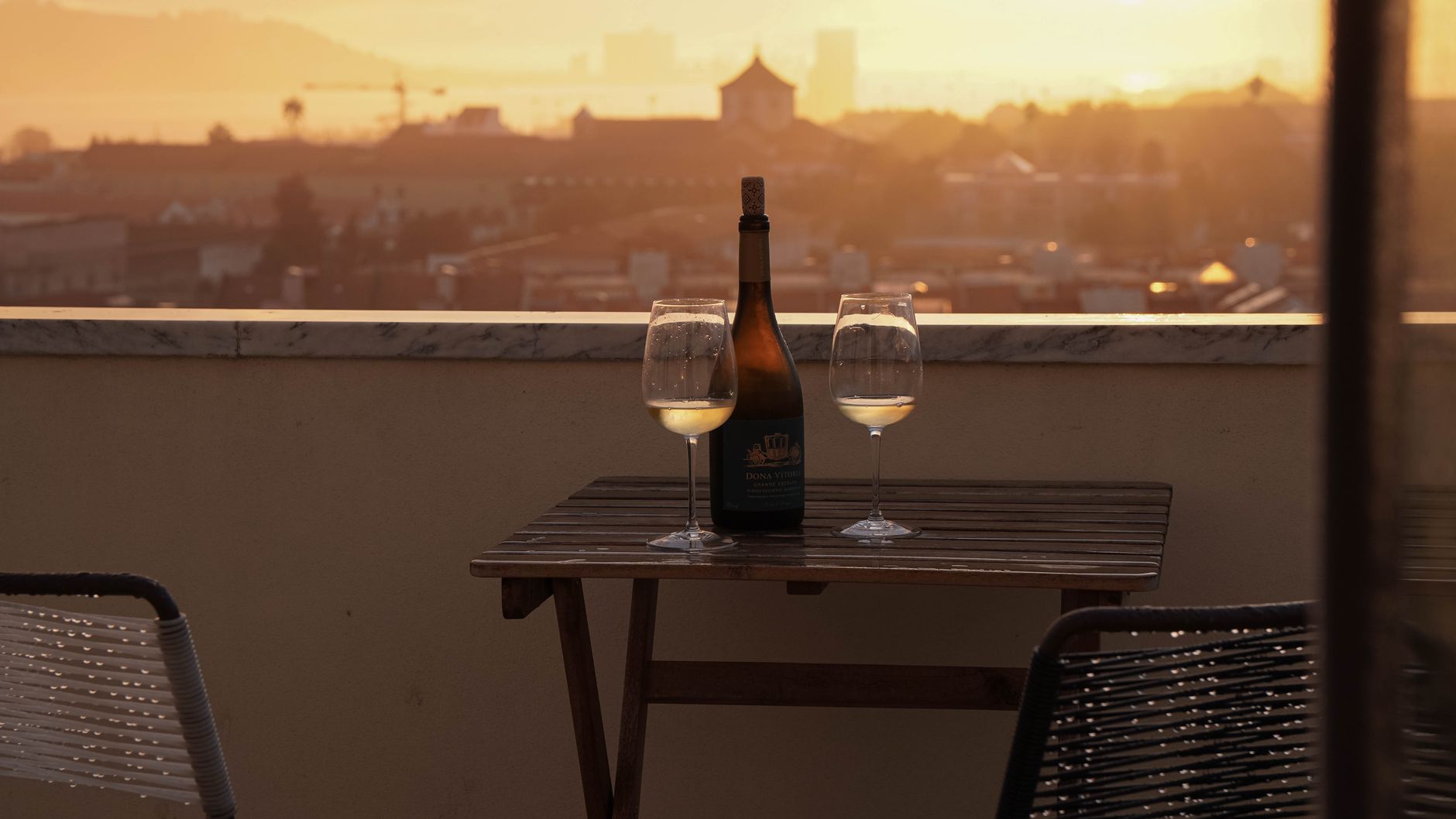
Ribeira Sacra Mencía, grown on these very slopes, is the wine to try, often poured generously in small local bars alongside octopus or empanada. In spring, look for lamprey (lamprea), a river delicacy caught in the Miño and prepared in a rich, traditional stew unique to this part of Galicia. Meals here tend to be unhurried and unfussy, taken at family-run spots rather than formal restaurants.
Festivals and Local Life
Autumn brings grape harvest activity throughout the Ribeira Sacra, with small wine festivals in nearby villages celebrating the new vintage, usually in September and October. Chantada hosts its own patronal festivities in summer, featuring processions, music and shared meals that give visitors a genuine glimpse of Galician rural tradition rather than a staged event.
Climate Through the Seasons
Spring is mild and green but rainy, ideal for hiking before the summer heat sets in. Summers are warm and relatively dry, perfect for river cruises and vineyard visits. Autumn brings golden vine colours alongside increasing rain during harvest season, while winter is cool, damp and quiet, with the landscape at its most atmospheric and misty.