What is the best time to visit Castro Caldelas?
The best time is late spring to early autumn (May to September), when the weather is mild and ideal for exploring the castle and surrounding Ribeira Sacra vineyards. Summer also brings local festivals worth experiencing.
How do you get to Castro Caldelas?
The nearest major city is Ourense, about 40 minutes away by car, and renting a car is the most practical option since public transport is limited. There is no train station in Castro Caldelas itself, so driving or arranging a taxi from Ourense is recommended.
What are the main things to do in Castro Caldelas?
Visit the medieval Castro Caldelas Castle, stroll through the historic old town, and take boat trips or scenic drives through the nearby Ribeira Sacra region known for its terraced vineyards and river canyons. Wine tasting at local bodegas is also a popular activity.
Tucked into the steep, terraced landscape of the Ribeira Sacra, Castro Caldelas is the kind of place you find by accident and remember on purpose. Its medieval castle, granite streets and surrounding vineyards see far more grape-pickers than tourists, which is exactly the point. This is inland Galicia at its most authentic: quiet, rural and shaped by centuries of wine, stone and river.
A Castle Town With Real History
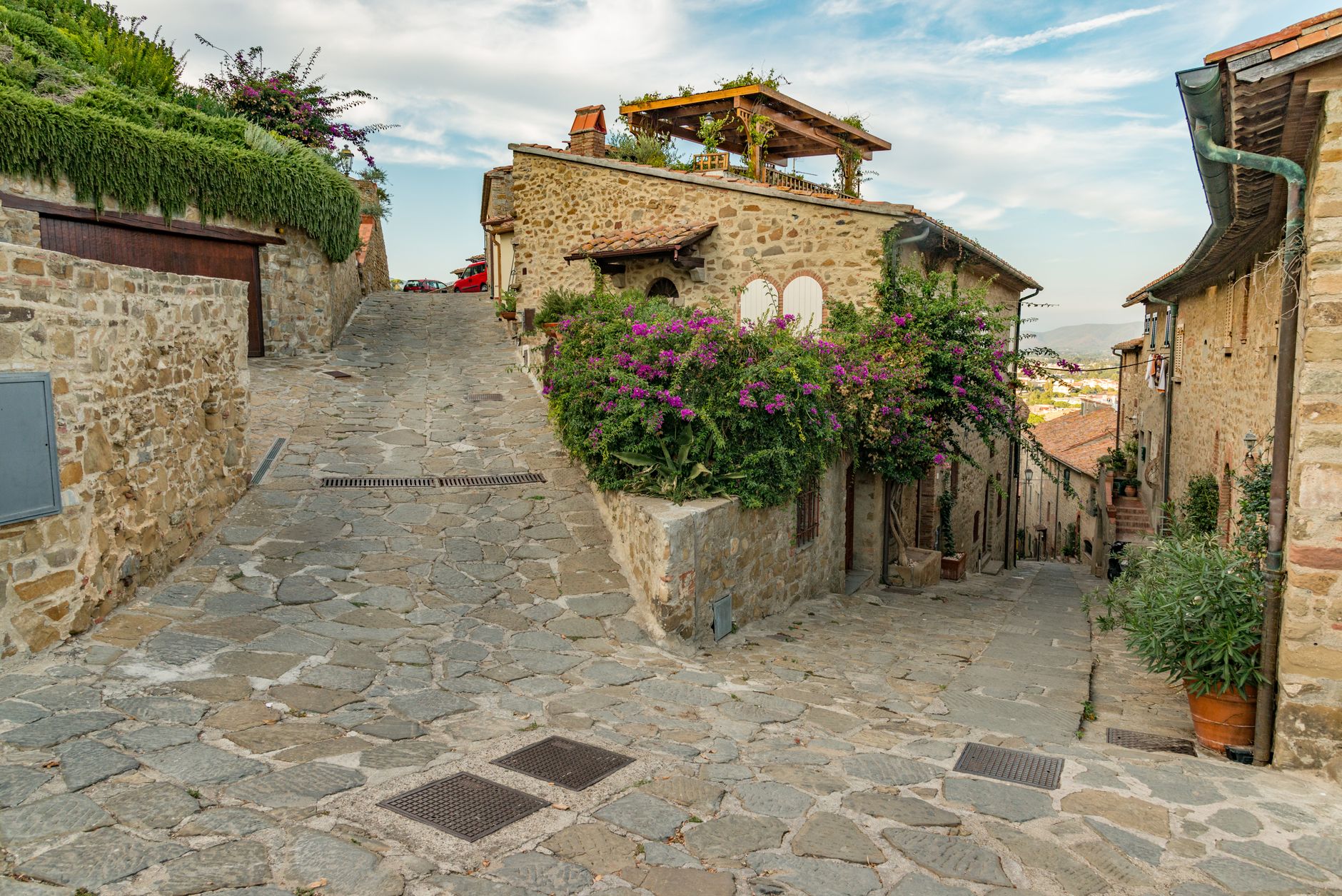
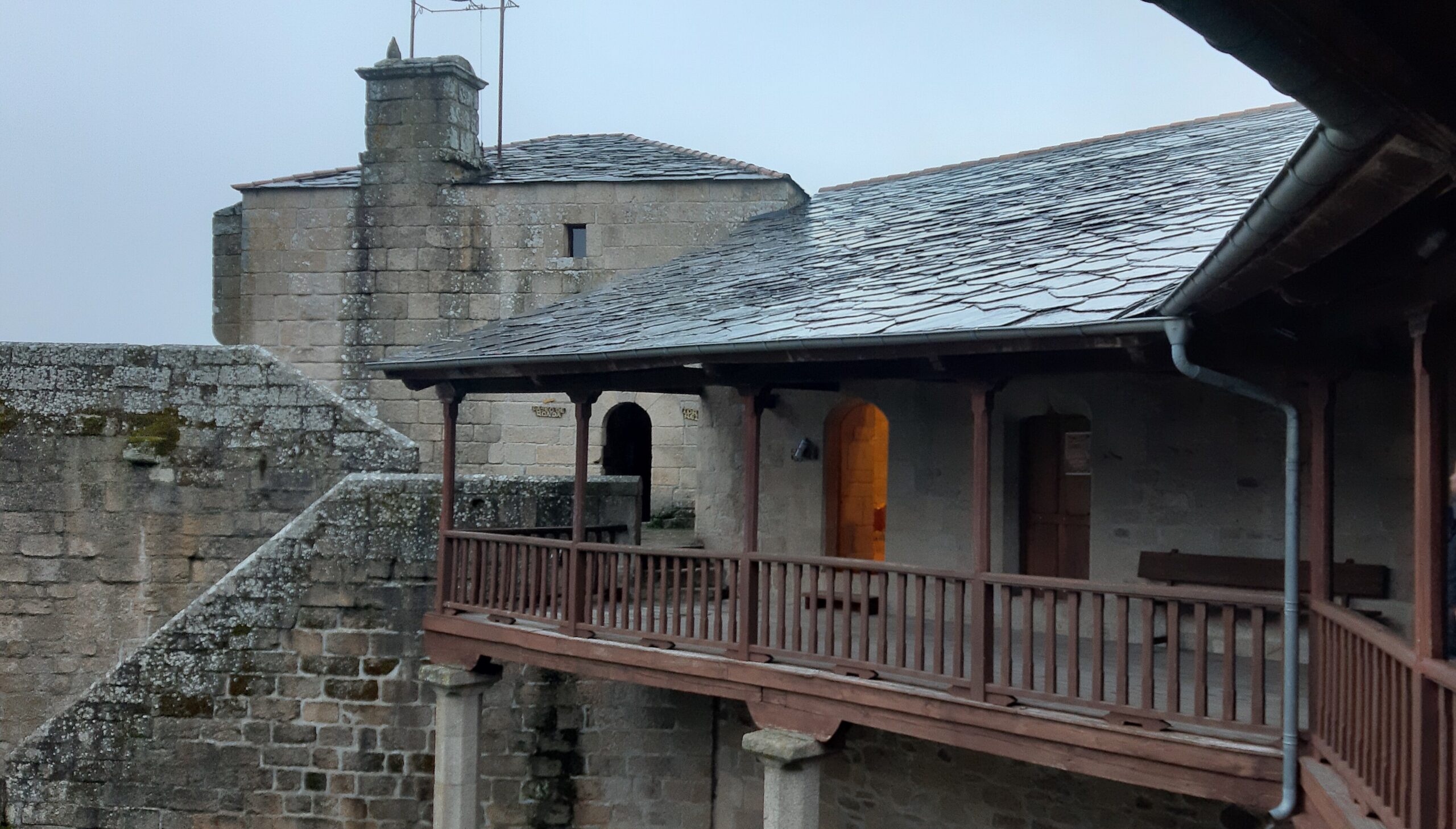
The Castillo de Castro Caldelas, rebuilt in the 15th century by the powerful Ulloa family, still dominates the village and can be visited for panoramic views over the surrounding hills. Wandering the old quarter below, with its arcaded stone houses and narrow lanes, gives a genuine sense of how small Galician towns looked centuries before mass tourism reached the coast. The Museo Etnográfico, housed in a former convent, fills in the everyday history of the area with tools, textiles and photographs from village life.
The Vibe: Slow, Stone and Unpolished
Castro Caldelas has no resort feel and no crowds to speak of; it’s a working village where the pace is set by the vineyards, not by visitors. Expect quiet cafés, elderly neighbours chatting in doorways, and evenings that end with a glass of local wine rather than nightlife. It’s the sort of place that rewards travellers who like discovering a destination rather than being shown one.
Who This Destination Suits
Castro Caldelas is best suited to independent travellers, wine lovers, hikers and anyone drawn to rural Spain rather than beach resorts. Couples and small groups looking for a slower, scenery-driven trip will feel most at home here, especially those happy to drive between villages rather than rely on public transport. It’s less practical for travellers wanting nightlife, large hotels or easy public transit links.
Getting to Castro Caldelas
The nearest airports are Vigo and Santiago de Compostela, both roughly two hours away by car, with Ourense reachable by train from major Spanish cities and then a 45-minute drive onward. There’s no direct rail or bus link into the village itself, so a rental car is by far the easiest way to get here and explore the surrounding valleys. The winding approach roads through the Ribeira Sacra canyon are part of the experience, offering dramatic views before you even arrive.
Combine It With the Rest of Ribeira Sacra
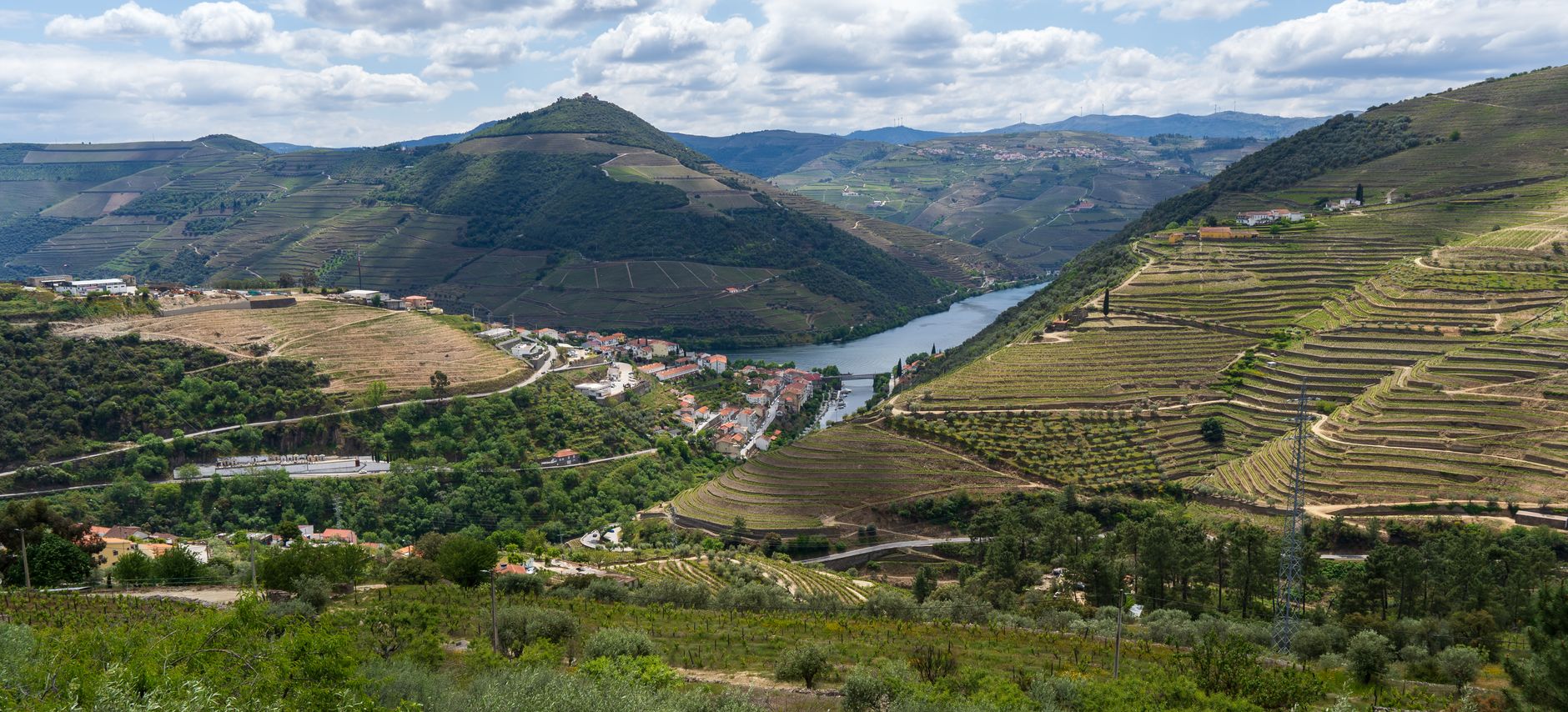
Castro Caldelas sits at the heart of the Ribeira Sacra, one of Spain’s most dramatic wine regions, where terraced vineyards drop steeply toward the Sil and Miño river canyons. From here, it’s an easy trip to the monasteries of Santo Estevo and San Pedro de Rocas, or to Monforte de Lemos for a livelier town base with more dining options. River cruises through the Cañón del Sil, departing from nearby villages, pair especially well with a stay in Castro Caldelas.
Wine, Local Food and Festivals
The Ribeira Sacra denomination produces some of Galicia’s best-regarded reds, mostly from the mencía grape, and small local bodegas around Castro Caldelas welcome visitors for tastings with far less formality than you’d find elsewhere. Look out for botelo, a smoked pork speciality from inland Galicia, often served with turnip greens during colder months. Village festivities tied to the wine harvest and local patron saints, typically held in August, bring out traditional music, communal meals and a rare glimpse of the village at full capacity.
Climate Through the Seasons
Spring brings mild days, green vineyards and occasional rain showers, making it ideal for hiking before the summer heat sets in. Summers are warm and comparatively dry for Galicia, with July and August the best months for river activities and outdoor dining. Autumn is harvest season, cooler and atmospheric, while winters turn cold and damp with occasional frost, given the town’s inland, elevated position away from the coastal moderating effect.