What is the best time to visit Malpica de Bergantiños?
Late spring through early autumn (May to September) offers the mildest weather for exploring the coast and beaches. Summer is also ideal for whale and dolphin watching boat trips from the harbour.
How do you get to Malpica de Bergantiños?
The town is about a 45-minute drive from A Coruña along the AC-552 coastal road, and there is no train station nearby. Regional buses connect Malpica with A Coruña several times a day, making it an easy day trip or base for exploring the Costa da Morte.
What are the must-do activities in Malpica de Bergantiños?
Visit the Sisargas Islands nature reserve for birdwatching, or take a boat tour to spot seabirds and marine life along the rugged coastline. The fishing port itself is worth a stroll, especially during the daily fish auction, and nearby beaches like Praia de Area Maior are great for surfing or relaxing.
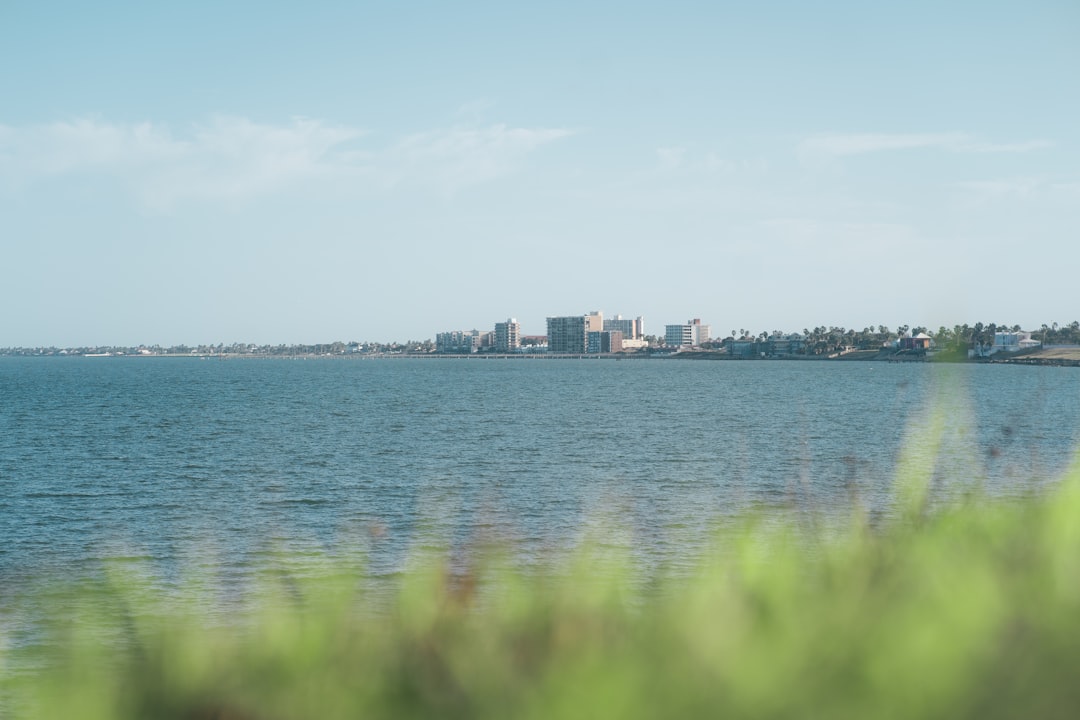
Malpica de Bergantiños is a working fishing port on Galicia’s rugged Costa da Morte, where trawlers still unload the day’s catch beneath towering cliffs. It’s not a place built for tourists, which is exactly what makes a Malpica de Bergantiños Spain holiday feel like a genuine discovery rather than a rehearsed one.
What to Do in Malpica de Bergantiños
Watch the daily fish auction at the harbour, where the catch is sold in rapid-fire Galician within minutes of docking. Boat trips run out to the Sisargas Islands, a protected seabird colony home to guillemots, cormorants and one of Spain’s largest gull populations. Hikers can pick up the Camino dos Faros here, a dramatic coastal trail linking lighthouses and cliffs all the way to Fisterra, while surfers head to Praia de Canido for consistent Atlantic swell.
The Vibe: Salt, Stone and Real Galician Life
This is a town that runs on tides and fishing schedules, not tourist timetables. Stone houses cluster around the port, gulls circle over drying nets, and the pace slows to match the rhythm of the sea. There’s little polish here, but plenty of character for those who want Galicia without the crowds.
Who Should Visit Malpica
Malpica suits independent travellers, hikers, birdwatchers, surfers and seafood lovers who don’t need a resort to feel like they’re on holiday. It’s less suited to those seeking nightlife, shopping or curated attractions, since the appeal lies in wild coastline and unfiltered local life rather than sightseeing checklists.
Getting to Malpica de Bergantiños
The nearest airports are Santiago de Compostela (around 40 km) and A Coruña (roughly 35 km), both connected by regular flights within Spain and to parts of Europe. A car is the most practical way to reach Malpica and explore the surrounding coastline, as public transport links are limited outside the main routes to A Coruña.
Pairing Malpica with the Costa da Morte
Malpica works well as a base for exploring the Costa da Morte, a stretch of coastline studded with fishing villages, lighthouses and shipwreck lore. Nearby Corme and Laxe offer more sleepy harbours and beaches, while Fisterra and Muxía, both linked to the Camino de Santiago, make for a rewarding day trip further south. A Coruña, with its Roman lighthouse and lively old town, is close enough for a contrasting city day out.
Local Food: Percebes and Portside Taverns
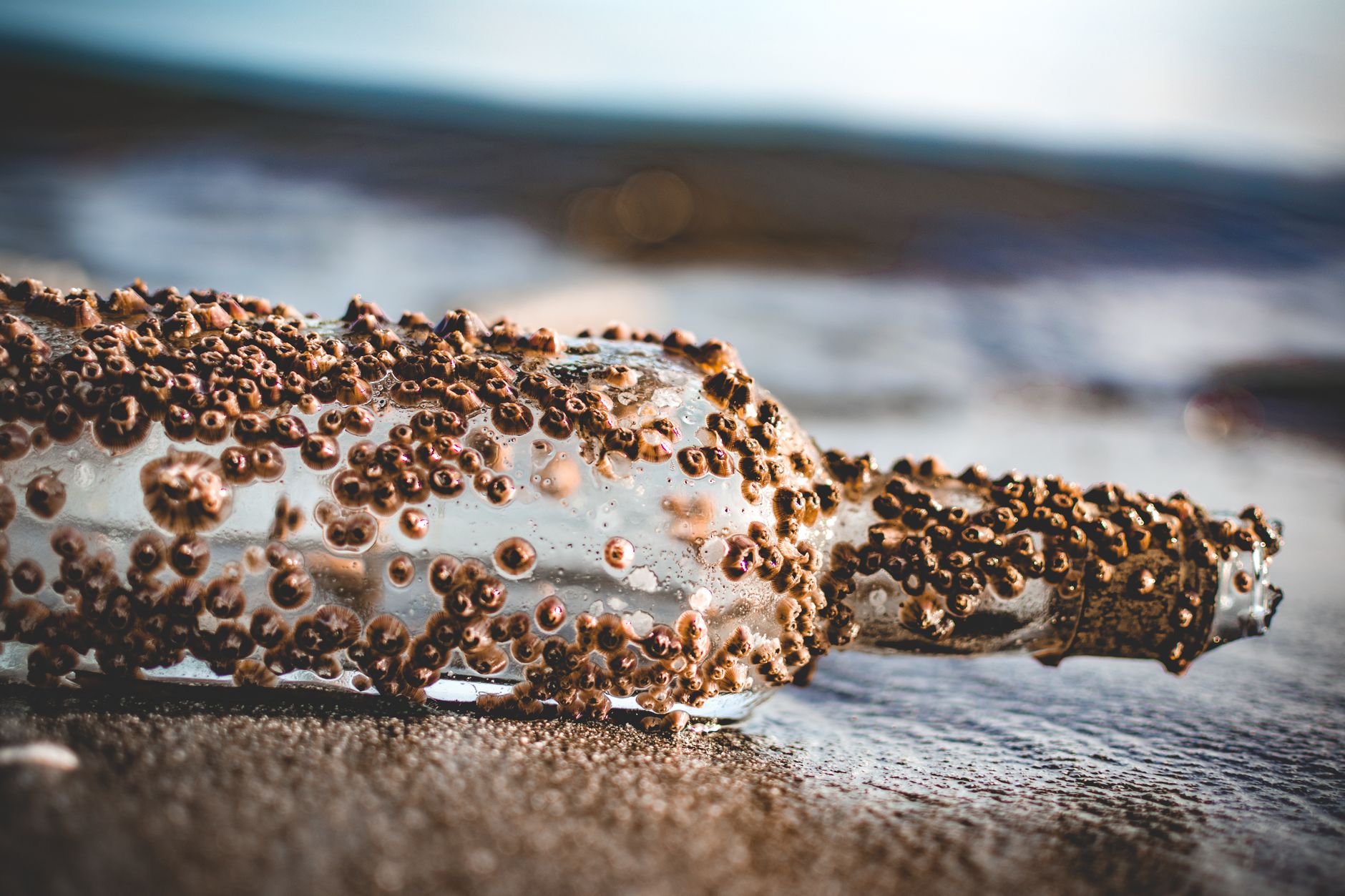
Malpica is one of Galicia’s key ports for percebes, the prized gooseneck barnacles harvested by hand from wave-battered rocks, a dangerous job that locals take real pride in. Small portside taverns serve them simply boiled, alongside grilled octopus and the day’s fresh catch, best paired with a chilled glass of Ribeiro wine.
Festivals and Local Traditions
In mid-August, the Festa do Percebe celebrates the town’s signature catch with tastings, live music and a genuinely local crowd rather than a tourist spectacle. The Fiesta del Carmen in July honours the patron saint of fishermen with a maritime procession, as decorated boats carry her image along the coastline in one of the region’s most atmospheric seafaring traditions.
Climate Through the Seasons
Spring brings mild temperatures, wildflowers along the cliffs, and unpredictable Atlantic showers. Summer is warm but rarely hot, with sea breezes keeping the coast comfortable even in July and August. Autumn turns dramatic, with bigger swells and moody skies that suit the wild scenery, while winter is wet and windy, best suited to those who enjoy storm-watching from a cosy tavern.