Wat is de beste tijd om Negreira te bezoeken?
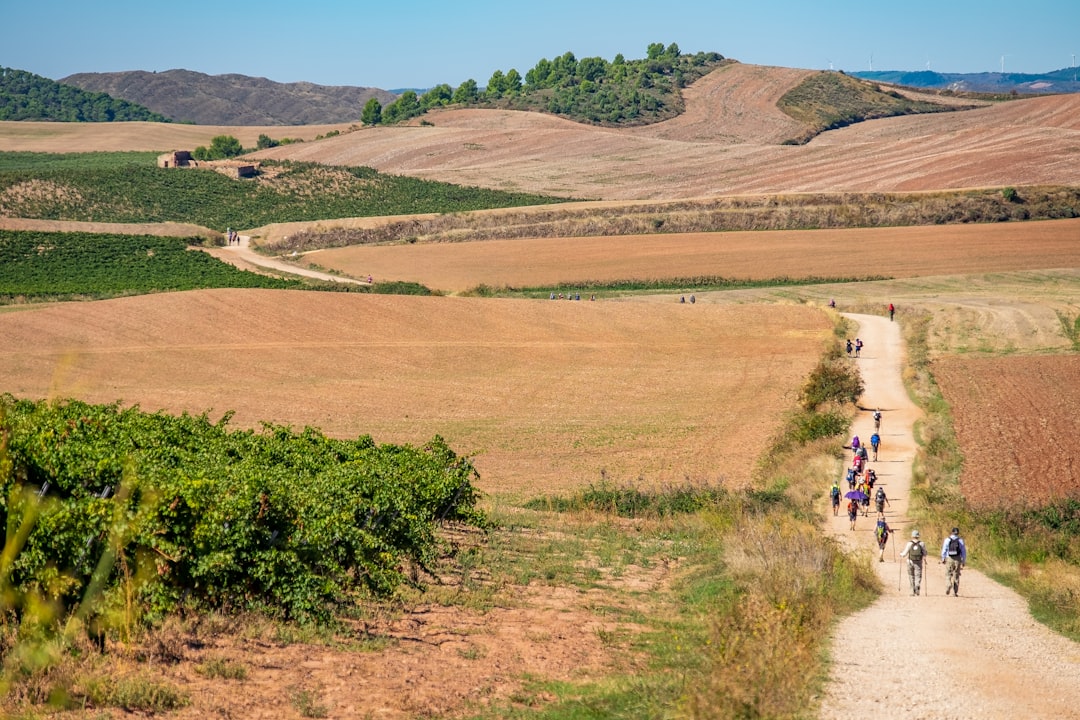
De lente en zomer (mei tot september) zijn ideaal vanwege het mildere weer, wat ook de populairste periode is voor pelgrims op de Camino naar Fisterra. Buiten het seizoen is het rustiger, maar kan het vaker regenen, typisch voor Galicië.
Hoe kom je in Negreira aan, en wat zijn de bezienswaardigheden?
Negreira is het makkelijkst bereikbaar met de auto of bus vanuit Santiago de Compostela, op ongeveer 20 km afstand. Bekijk de Pazo de Cotón, de Ponte Maceira en geniet van wandelingen langs de rivier de Barcala.
Is Negreira een budgetvriendelijke bestemming en welke taal wordt er gesproken?
Ja, Negreira is over het algemeen betaalbaar, met eenvoudige accommodaties en lokale eetgelegenheden tegen redelijke prijzen. De voertaal is Spaans en Galicisch, maar in toeristische gebieden wordt vaak ook Engels gesproken.
Negreira sits on the banks of the Río Tambre, a modest Galician town that most visitors to Spain never hear of, let alone visit. Yet for centuries it’s been a working stop for pilgrims walking onward to Fisterra and Muxía, and today it offers a genuine, unpolished slice of rural Galicia. If you want Santiago de Compostela’s atmosphere without the crowds, Negreira is worth the detour.
What to see and do in Negreira
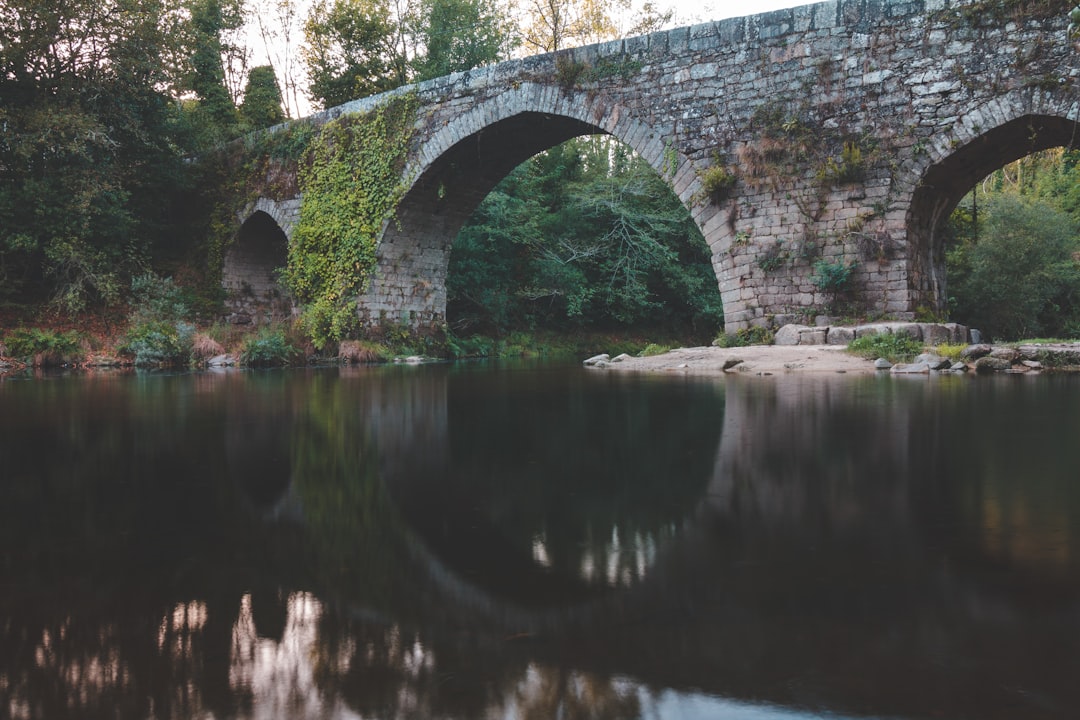
The town’s landmark is the Pazo de Cotón, a fortified manor house with medieval towers that once controlled the river crossing and still dominates the skyline. Wander down to the Ponte Maceira, a beautifully preserved medieval bridge a few kilometres outside town, often photographed but rarely crowded. The riverside promenade along the Tambre is ideal for a slow afternoon walk, and the surrounding countryside is dotted with horreos (traditional granite granaries) and small chapels that reveal how Galician rural life still functions day to day.
Vibe and character
Negreira feels lived-in rather than curated for tourists: a butcher, a bar with plastic chairs on the pavement, pilgrims refilling water bottles. There’s no polish here, just green hills, slate roofs and the unhurried rhythm of a Galician market town. It’s the kind of place where a short stop often turns into an extra night once you realise how restful it is.
Who it suits
Negreira appeals to travellers who enjoy the Camino de Santiago but want to avoid the busier stages closer to Santiago itself, as well as anyone drawn to slow, nature-based travel over sightseeing checklists. It suits hikers, cyclists, and road-trippers exploring inland Galicia, but less so those seeking nightlife, beaches, or polished tourist infrastructure.
Getting there
Negreira lies about 20 km southwest of Santiago de Compostela, easily reached by car in under 30 minutes or by regular bus services from the Santiago bus station. Santiago de Compostela Airport (SCQ) is the nearest airport, with connections from Madrid, Barcelona and several European cities. Many travellers arrive on foot, as Negreira is the first major stop on the Camino de Fisterra-Muxía.
Nearby places to combine with Negreira
Santiago de Compostela, with its cathedral and old town, is a natural pairing and just a short drive away. Continuing west takes you to the dramatic Costa da Morte, including the lighthouse at Cabo Fisterra and the pilgrimage village of Muxía. For a longer trip, combine Negreira with the Rías Baixas to the south for seafood, wine, and estuary landscapes.
Food and local life
Expect straightforward Galician cooking: pulpo á feira (paprika-dusted octopus), empanada galega, and river trout from the Tambre, best enjoyed in one of the simple bars near the main square. Pair it with a cold glass of Ribeiro wine, produced just inland, and don’t be surprised if the bar owner insists on a second round.
Festivals and local events
The town’s main celebration, the Festas de Negreira, takes place in mid-August, with processions, live music, fireworks and communal meals filling the streets for several days. Outside this period, the steady rhythm of pilgrims passing through gives the town a quieter, almost daily sense of arrival and departure worth witnessing.
Climate through the seasons
Spring is mild and green, with frequent showers that keep the countryside lush. Summers are pleasantly warm rather than hot, rarely exceeding the mid-20s°C, making it comfortable for walking. Autumn brings golden light and more rain, while winters are cool, damp, and quiet, with temperatures rarely dropping below freezing but grey skies common.