What is the best time to visit O Barqueiro?
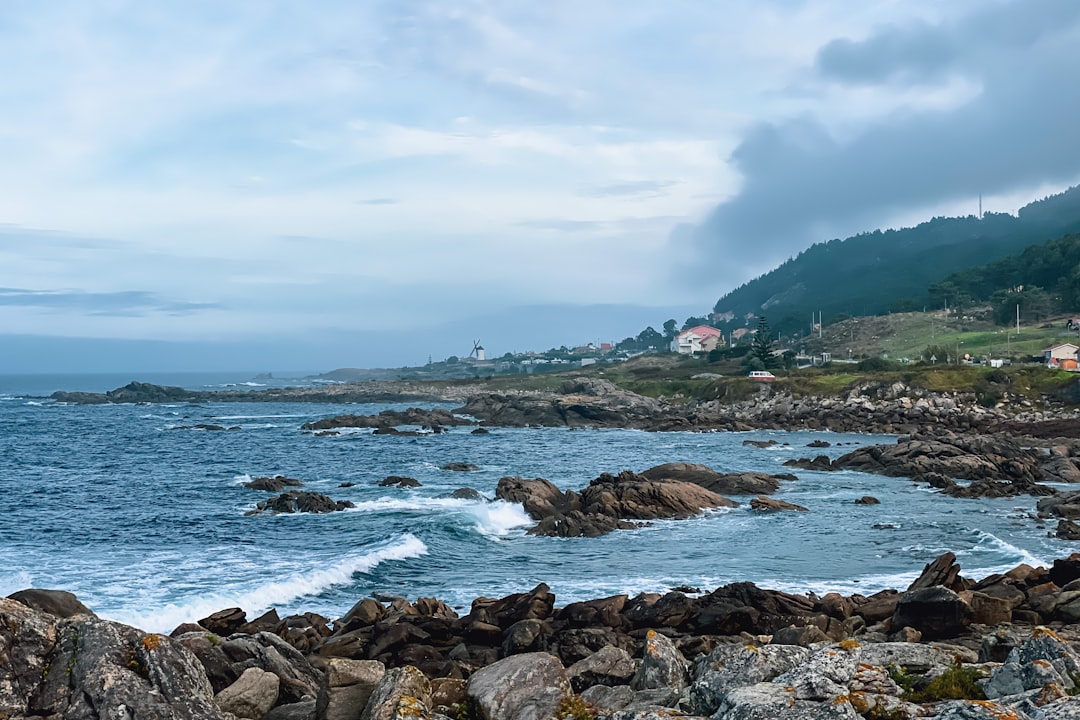
The best time to visit is between June and September when the weather is warmest and driest, ideal for exploring the coastline and beaches. Spring and autumn offer quieter visits but with a higher chance of rain.
How do you get to O Barqueiro?
O Barqueiro is best reached by car via the AC-862 road along the Galician coast, with the nearest airport being A Coruña Airport, about 90 minutes away. Public transport options are limited, so renting a car is recommended for flexibility.
What are the main things to do in O Barqueiro?
Visitors can enjoy the picturesque harbor, sample fresh seafood in local restaurants, and explore nearby beaches like Praia de Vilarmide. The area is also great for scenic coastal walks and photography due to its traditional Galician fishing village charm.
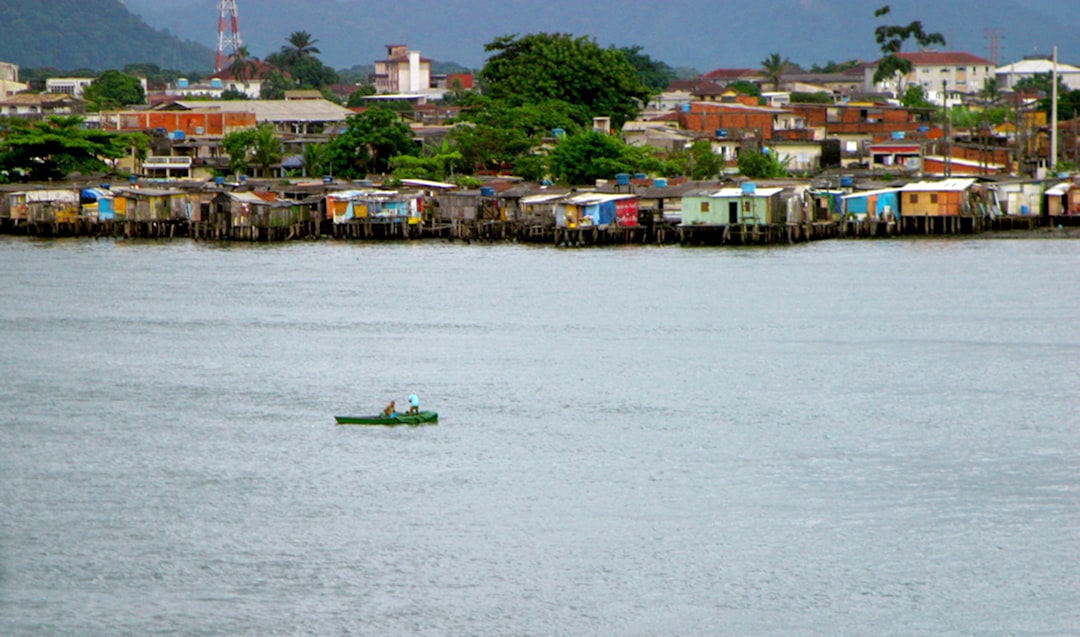
Tucked into a narrow ría on Galicia’s northern Rías Altas coast, O Barqueiro is the kind of place most travellers drive past without knowing it exists. Its tiered white houses with glassed-in wooden balconies climb the hillside above a working harbour, framed by some of mainland Spain’s wildest coastline. This is a holiday for people who want silence, sea air and a village where the fishing boats still set the daily rhythm.
Life Around the Ría
O Barqueiro’s compact centre wraps around a sheltered inlet where small fishing boats bob against a stone quay, and the village’s signature galerías – glazed wooden balconies built by 19th-century emigrants returning wealthy from the Americas – give the waterfront its distinctive, faintly grand look. There’s little in the way of formal sightseeing: the pleasure here is wandering the steep lanes, watching boats unload the day’s catch, and sitting at a harbourside terrace with a glass of Ribeiro wine. It’s a village to slow down in rather than tick off.
Cliffs, Capes and Coastal Trails
A short drive brings you to Cabo Ortegal, where sheer cliffs plunge into the Atlantic and form one of the most dramatic stretches of coast in continental Europe, and to Estaca de Bares, mainland Spain’s northernmost point and a renowned spot for watching seabird migrations each spring and autumn. The coastal path between the two offers rugged walking with almost no crowds, while quieter beaches like Praia de Vilela suit those after a solitary swim rather than a lively beach scene. Bring proper shoes and a windbreaker – this coast is beautiful, but rarely calm.
Seafood, Festivals and a Slower Calendar
Percebes (goose barnacles), gathered from the pounding rocks nearby, and simple grilled fish are the backbone of eating here, best enjoyed at one of the modest harbour taverns rather than anywhere fancy. In early July, the nearby town of Ortigueira hosts the Festival Internacional do Mundo Celta, a major Celtic music gathering that draws visitors from across Galicia and beyond and briefly transforms the region’s quiet rhythm. Back in O Barqueiro itself, August brings smaller patron-saint fiestas with processions, live music and communal seafood feasts on the quay.
Weather Through the Seasons
Spring is fresh and green, good for hiking and birdwatching but changeable, with sudden Atlantic showers. Summer stays mild by Spanish standards, rarely hot, with long daylight hours ideal for coastal walks and swimming on calmer days. Autumn turns moody and dramatic, with rougher seas and atmospheric mist over the cliffs, while winter is wet and windy, best suited to travellers who enjoy a wild, storm-watching kind of coastal escape.
Getting There and What to Combine It With
O Barqueiro has no train station or major bus hub, so the practical route is to fly into A Coruña or Santiago de Compostela airport and drive roughly 1.5 to 2 hours along the coastal AC-862 road. A car is essential for exploring properly, and it pays off: Viveiro, Cedeira, and the pilgrimage village of San Andrés de Teixido are all within easy reach, along with the cliffs of Cabo Ortegal and the wider, lightly touristed Rías Altas region. Pair a few nights here with a longer Galicia itinerary rather than treating it as a standalone stop.