What is the best time to visit O Grove?
Late spring to early autumn (May to September) offers the warmest weather, ideal for beaches and seafood festivals. October’s Fiesta del Marisco is also a popular time despite cooler temperatures.
How do you get to O Grove?
The nearest airports are Santiago de Compostela (about 1 hour by car) and Vigo (about 1 hour), with regular buses connecting O Grove to both cities. There is no train station in O Grove, so bus or car is the most practical option.
What are the must-do activities in O Grove?
Visit the A Toxa island with its famous pine forest and church covered in scallop shells, and take a boat trip to see the local mussel and oyster farms (bateas) in the Ría de Arousa. Sampling fresh seafood at the harbor-side restaurants is also a highlight.
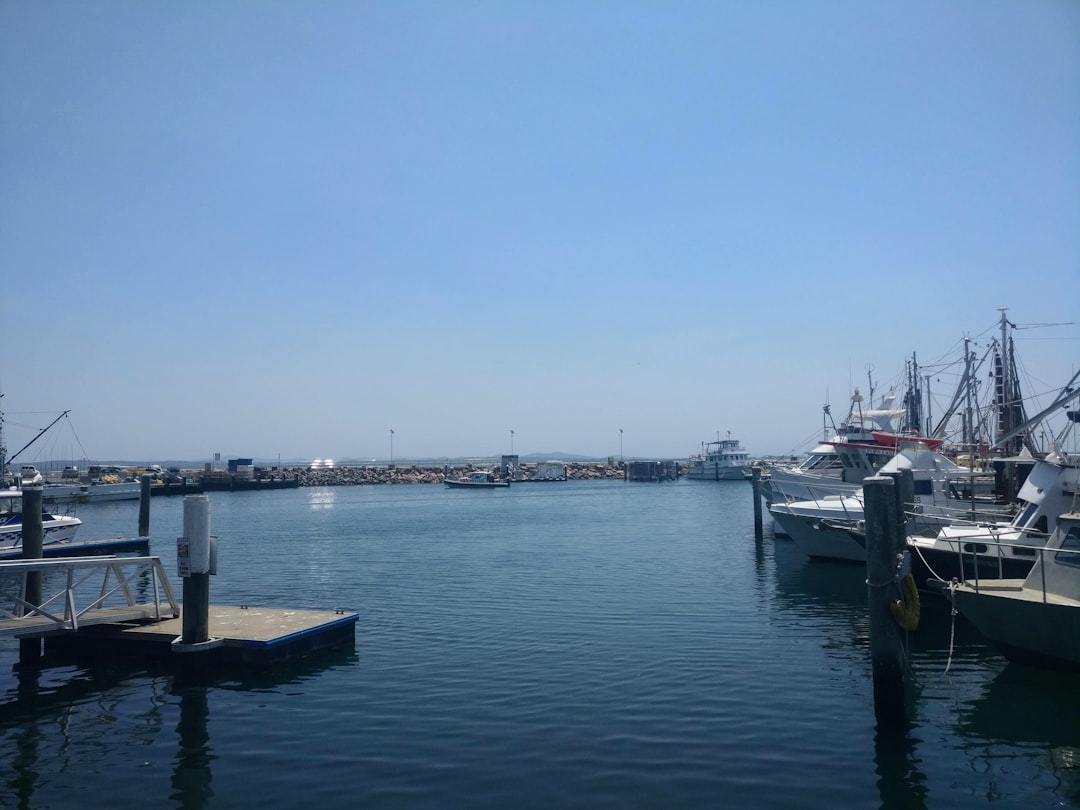
O Grove sits on a small peninsula in the Ría de Arousa, where wooden platforms bobbing with mussel ropes outnumber tourist buses. It’s a working fishing town first and a holiday destination second, which is exactly why it feels so authentic. Come here for briny seafood straight off the boat, a thermal-spring island next door, and a slower, saltier version of a Spanish coastal break.
Things to do in O Grove
Take a boat trip out to the bateas, the raft-like platforms where local mussels and oysters are farmed, and watch them being hauled up and shucked on deck for tasting. Walk or cycle the coastal path around the peninsula, stopping at small coves like Praia da Lanzada, a wide Atlantic-facing beach popular with surfers and known for its ancient fertility rituals. Cross the bridge onto the pine-covered island of A Toxa (La Toja), home to a thermal spa hotel and the curious little chapel entirely covered in scallop shells. Browse the daily fish market in town, where the morning catch is auctioned off just metres from the harbour.
The vibe: unpretentious and salt-scented
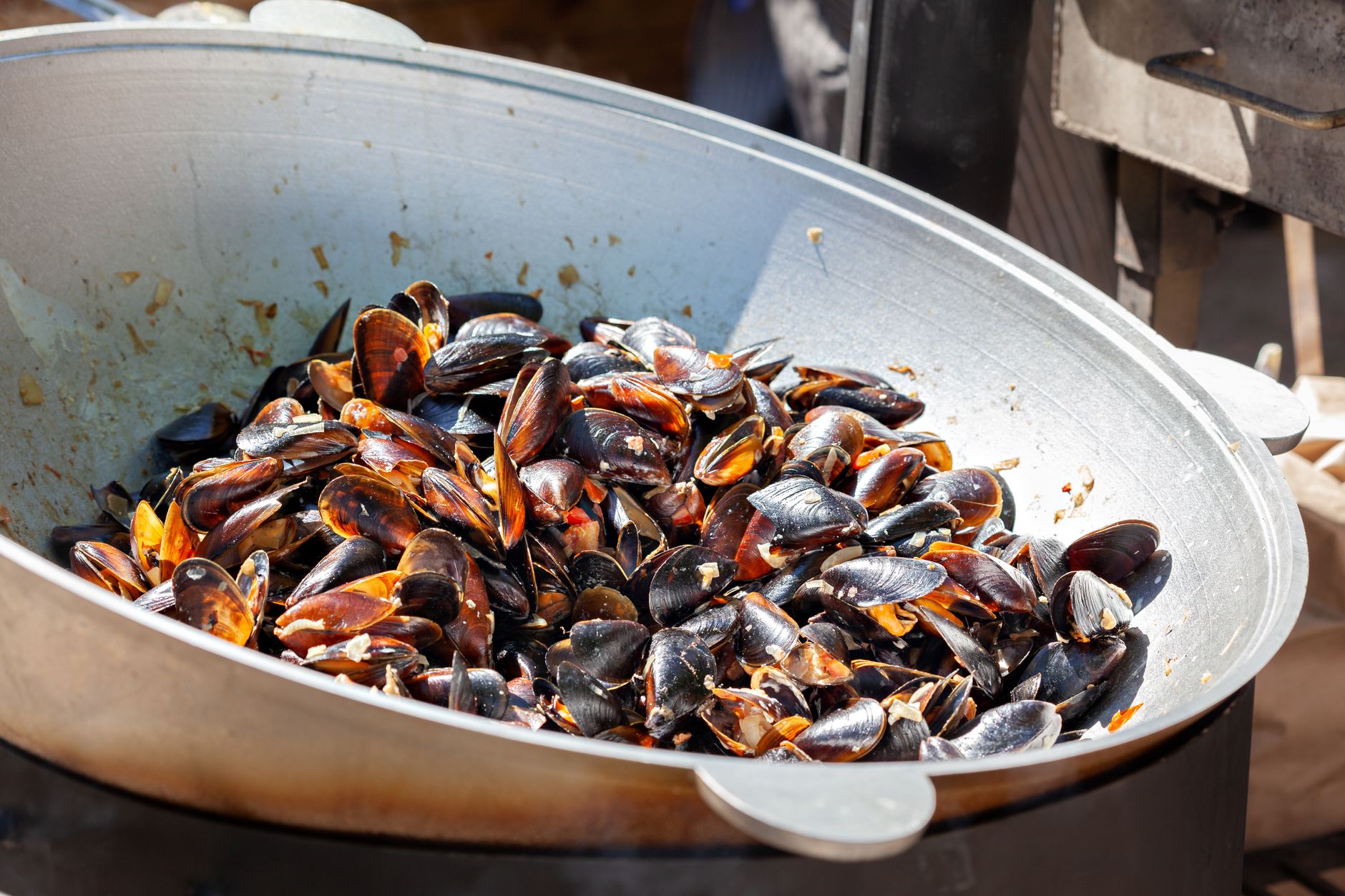
O Grove has none of the polish of Spain’s southern resorts; instead it runs on tide tables and fishing schedules, with cafés serving percebes (goose barnacles) alongside cheap house wine. Outside peak season it’s a quiet, workaday town of net-mending fishermen and closed shutters, then it fills with Spanish holidaymakers each summer who come specifically for the seafood, not the nightlife. Galician is spoken as much as Castilian Spanish here, and you’ll hear it in the market stalls and on the harbour.
Who it suits
O Grove appeals to food-driven travellers, slow-paced beach lovers, and anyone curious about Spain beyond the costas. It works well for couples wanting a quiet spa break on A Toxa, for families happy with calm rías and simple pleasures over big attractions, and for independent travellers keen to explore Galicia’s coastline by car. It’s less suited to those chasing nightlife or guaranteed sunbathing weather.
Getting to O Grove
The nearest airport is Santiago de Compostela, about an hour’s drive north, with regular flights from major Spanish cities and some European destinations. Vigo airport is a similar distance to the south and offers another useful entry point. There’s no train station in O Grove itself, so most visitors arrive by car or bus via Pontevedra, which has good rail connections to the rest of Spain.
Combine it with
O Grove pairs naturally with Cambados, a short drive away and the heart of Albariño wine country, where cellar visits and tastings are easy to arrange. Pontevedra, one of Galicia’s most walkable historic towns, makes a good day trip inland, while Santiago de Compostela adds pilgrimage history and cathedral grandeur to the itinerary. The wider Rías Baixas coastline, with its scattered fishing villages and hidden beaches, rewards travellers willing to drive the back roads rather than stick to the main routes.
Festa do Marisco: the seafood festival
O Grove’s biggest event is the Festa do Marisco (Seafood Festival), held over several days in early October since 1963. Long communal tables fill the seafront as locals and visitors work through mountains of mussels, oysters, and percebes washed down with Albariño wine, accompanied by live Galician folk music. It’s one of the most genuine food festivals in Spain, drawing crowds who come purely for the eating rather than any tourist spectacle.
Climate through the seasons
Spring brings mild, changeable weather with green landscapes and fewer crowds, ideal for walking the coast. Summer is warm rather than hot, rarely exceeding the high 20s°C, with Atlantic breezes keeping evenings cool and beaches busy with Spanish families. Autumn sees the seafood festival season arrive alongside cooling temperatures and increasing rain, while winter is mild but wet and windy, with the town noticeably quieter and many businesses operating reduced hours.