Wat is de beste tijd om O Pindo te bezoeken?
De late lente en zomer (juni tot september) zijn ideaal vanwege mild weer en droge omstandigheden voor het beklimmen van Monte Pindo. Buiten het hoogseizoen is het rustiger, maar regen komt vaker voor.
Hoe kom je in O Pindo?
De dichtstbijzijnde luchthaven is Santiago de Compostela, van waaruit je met de auto in ongeveer een uur bij O Pindo bent. Er is beperkt openbaar vervoer, dus een huurauto wordt aangeraden voor flexibiliteit.
Wat zijn de must-do activiteiten in O Pindo?
Wandel naar de top van Monte Pindo, ook wel de ‘Keltische Olympus’ genoemd, voor spectaculair uitzicht op de Atlantische kust. Bezoek ook het nabijgelegen strand Praia de Carnota, een van de langste stranden van Galicië.
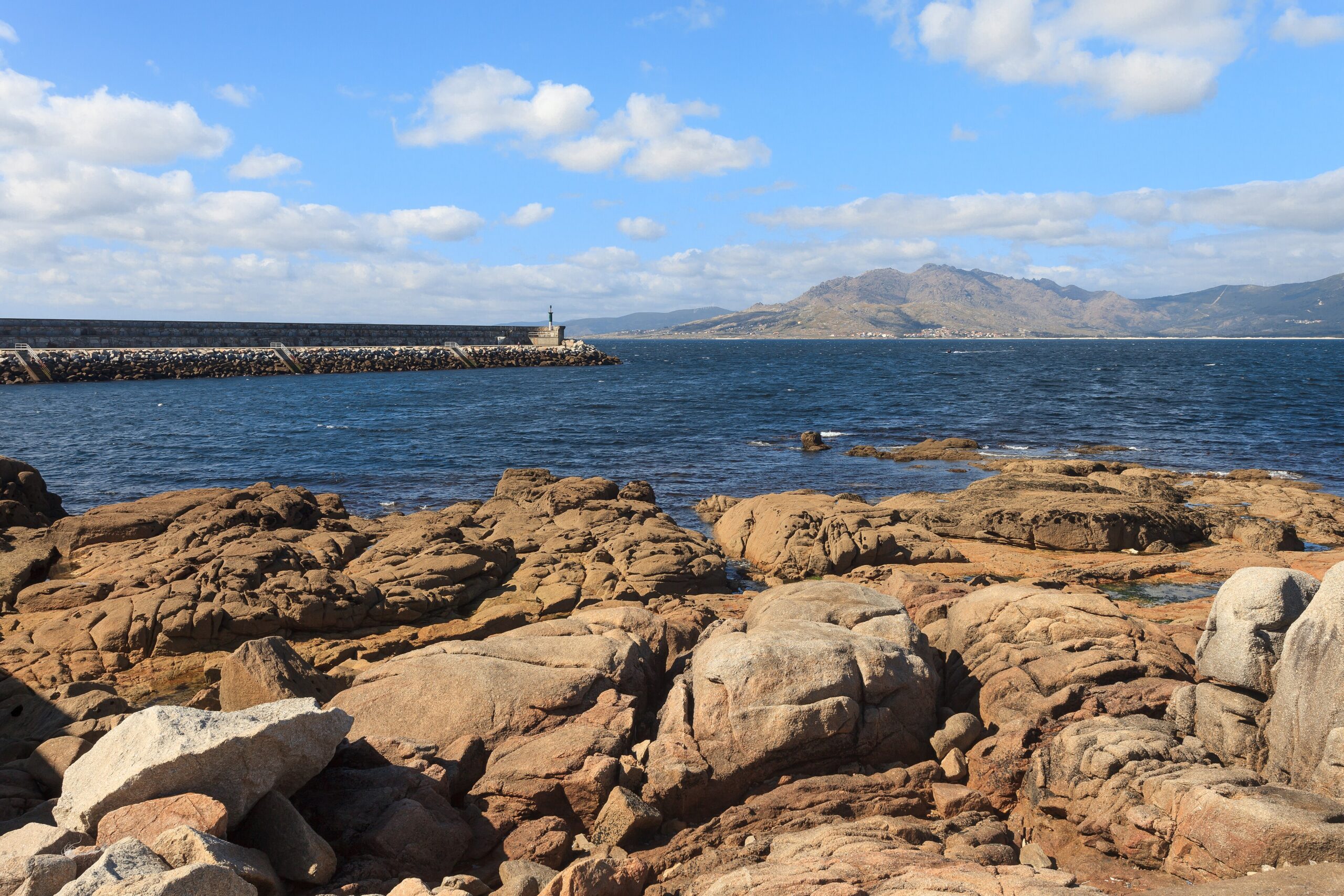
Tucked between granite cliffs and the churning Atlantic, O Pindo is a small parish in Carnota, part of Galicia’s rugged Costa da Morte. Overshadowed by Monte Pindo — a mountain so wild it’s called the ‘Celtic Olympus’ — this is a place for travellers who want Spain without the crowds, all rock, myth and sea air.
Things to Do in O Pindo
The main draw is Monte Pindo itself: a granite massif riddled with Bronze Age petroglyphs, dolmens and boulder formations that locals have long linked to Celtic gods. Trails wind up through gorse and heather to viewpoints over the ocean, and you don’t need to be an expert hiker to enjoy a few hours exploring its lower slopes. Down at sea level, quiet coves invite a swim, while nearby Praia de Carnota — the longest beach in Galicia — is just a short drive away for long, windswept walks.
The Vibe: Remote, Mythical, Unpolished
O Pindo feels more like a scattering of stone houses and vegetable plots than a tourist destination, which is exactly its appeal. Fishermen still mend nets by the harbour, cattle graze on the mountain’s lower reaches, and the pace of life is dictated by tides and weather rather than timetables. There’s a slightly eerie, folkloric undercurrent here too, thanks to the old legends about the mountain’s granite ‘altars’ and hidden treasure guarded by spirits.
Who Should Visit O Pindo
This is a destination for hikers, photographers and anyone drawn to landscapes with a bit of mystery attached. It suits travellers happy to self-cater or eat simply, drive winding coastal roads, and go a day or two without a proper shop nearby. Families wanting resorts, nightlife seekers, or those needing everything within walking distance should look elsewhere along the Galician coast.
Getting to O Pindo
The nearest airport is Santiago de Compostela, roughly an hour’s drive away, making a rental car the most practical option. Public buses run to Carnota and nearby Muros, but connections onward to O Pindo itself are sparse, so most visitors combine the trip with a wider Costa da Morte road trip. The final stretch involves narrow country roads with sea views that make the slower pace worthwhile.
Combine With: Costa da Morte and Fisterra
O Pindo pairs naturally with a loop around the Costa da Morte, including the dramatic Fervenza do Ézaro waterfall — one of the few in Europe that plunges directly into the sea — and the lighthouse at Fisterra, historically considered the end of the known world. Muros, with its arcaded old town, and the wide sands of Carnota make easy day trips, while hikers can pick up sections of the Camino dos Faros, the lighthouse path tracing this wild stretch of coast.
Food and Local Flavour
Galician staples dominate here: fresh octopus, percebes (goose barnacles) pried from the rocks by local divers, and simple empanadas filled with tuna or seafood. Small taverns in Carnota or Muros serve honest, no-frills seafood plates best paired with a glass of local Albariño. Don’t expect fine dining in O Pindo itself — the reward is eating well in a village where the catch was likely landed that morning.
Festivals and Local Traditions
Like much of rural Galicia, O Pindo and neighbouring villages celebrate summer romarías — open-air festivals honouring local patron saints, usually held between July and September. Expect gaita (Galician bagpipe) music, muiñeira folk dancing, communal seafood feasts and a genuinely local crowd rather than a tourist show. These gatherings offer a rare, unfiltered glimpse into Galician rural culture.
Climate Through the Seasons
Spring brings fresh green hillsides and unpredictable Atlantic showers, ideal for hiking without summer crowds. Summer (June to September) is mild and breezy, rarely scorching, with long daylight hours perfect for the coast and mountain trails. Autumn turns moody and atmospheric, with dramatic skies over Monte Pindo, while winter is wet, windy and quiet — beautiful for those who like their landscapes raw and empty.