What is the best time to visit Parada de Sil?
Spring (April-June) and autumn (September-October) are ideal, offering mild weather and stunning views of the Ribeira Sacra vineyards and canyons. Summer is also popular for river activities but can be hot.
How do you get to Parada de Sil?
The nearest airports are Santiago de Compostela and A Coruña, from where you can rent a car for the roughly 2-hour drive. There’s no direct train or bus service, so a car is essential to explore the village and surrounding Ribeira Sacra region.
What are the main things to do in Parada de Sil?
Don’t miss the Santo Estevo Monastery and the breathtaking Balcones de Madrid viewpoint overlooking the Sil River canyon. Boat trips along the Sil River and wine tastings at local Ribeira Sacra vineyards are also popular activities.
Parada de Sil is a scattering of stone hamlets perched above the Sil river canyon, deep in Galicia’s Ribeira Sacra wine country. Few visitors make it this far inland, which is exactly why the terraced vineyards, hermit caves and river gorges here still feel like a discovery rather than a stop on a checklist. It’s a place for slow mornings, steep walks and glasses of Mencía poured by the people who grew the grapes.
What to do in Parada de Sil
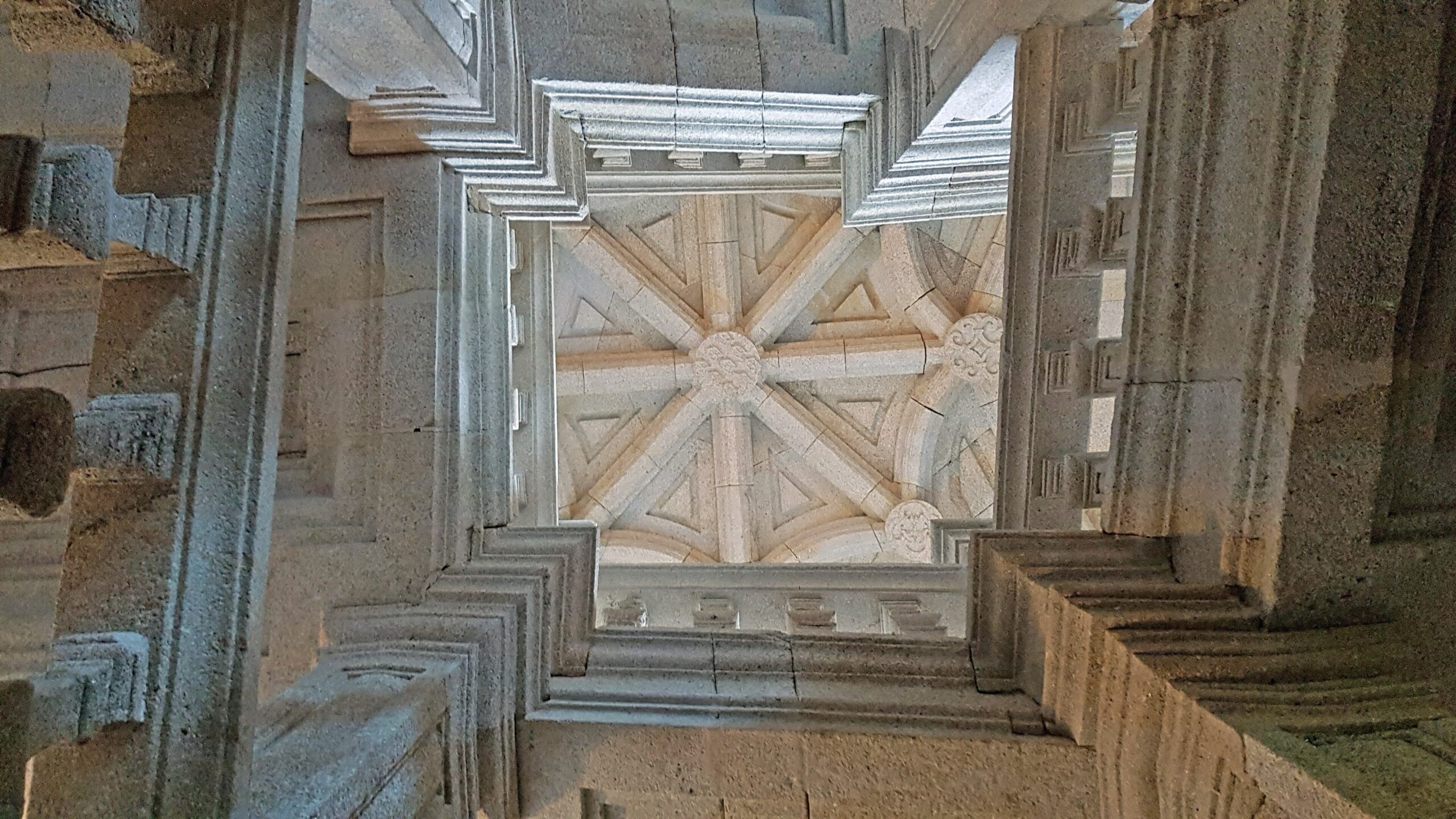
The main draw is the Cañón do Sil, where the river cuts a 500-metre-deep gorge lined with vineyards planted on impossibly steep terraces, some worked without machinery for centuries. Catamaran boat trips from the nearby Doade dock glide beneath the cliffs and past the Estación de Vinos e Miradoiros, a striking modern lookout built into the rock. Don’t miss the Monastery of Santo Estevo, a Romanesque-Gothic complex now partly converted into a parador, and the short walk to the Balcones de Madrid viewpoint for one of the best canyon panoramas in Galicia. Hikers can follow marked paths through the Devesa da Rogueira, an ancient forest of oaks, beeches and rare yew trees.
The vibe and character
This is rural Galicia at its most authentic: granite hórreos, slate roofs, and vineyards that seem to hang off the hillsides. There’s no bustling old town or resort strip here, just small settlements connected by winding roads and the constant presence of the river far below. The pace is unhurried, shaped by wine harvests, monastery bells and mist rolling through the canyon at dawn.
Who it suits
Parada de Sil rewards travellers who enjoy driving scenic backroads, hiking without crowds, and slow food-and-wine exploration over nightlife or shopping. It suits couples seeking a quiet, romantic escape, wine enthusiasts curious about lesser-known Spanish appellations, and photographers chasing dramatic landscapes. Families with young children or those wanting easy access to amenities may find it too remote and rustic.
Getting there
The nearest airports are Vigo and Santiago de Compostela, both roughly 1.5 to 2 hours away by car, with Ourense’s train station about 45 minutes from Parada de Sil. A car is essential once you arrive, since the villages and canyon viewpoints are spread across narrow, winding roads with limited public transport. Renting a vehicle in Ourense or Santiago and driving in gives you the flexibility to stop at vineyards and lookouts along the way.
Combine it with
Parada de Sil sits at the heart of Ribeira Sacra, so it pairs naturally with nearby villages like Castro Caldelas, known for its medieval castle, and the wine town of Monforte de Lemos with its imposing Torre del Homenaje. Ourense, with its Roman thermal baths and old quarter, makes a good half-day trip, while those continuing west can connect to Santiago de Compostela to round off a broader Galician itinerary.
Food, wine and local life
The region’s Ribeira Sacra DO wines, especially reds made from Mencía grapes grown on those near-vertical slopes, are the main event, and many small bodegas offer tastings directly with the winemakers. Pair a glass with local specialities like pulpo á feira (Galician-style octopus) or a hearty caldo gallego at one of the simple family-run restaurants in the area. Meals here tend to be unhurried affairs, often ending with a slice of tarta de Santiago and a strong coffee.
Festivals and local events
The Festa do Viño da Ribeira Sacra, usually held in spring in nearby towns, celebrates the harvest with tastings, music and traditional food stalls. Village patron saint festivities, known locally as festas patronais, take place through summer in the smaller hamlets around Parada de Sil, featuring processions, verbenas (open-air dances) and shared meals. These are modest, community-driven events rather than tourist spectacles, offering a genuine glimpse into local Galician life.
Climate through the seasons
Spring brings mild temperatures and green terraces, ideal for hiking before the summer heat sets in. Summer is warm and dry, ranging from the mid-20s to low 30s Celsius, with the canyon offering welcome shade and river breezes. Autumn is arguably the best time to visit, as the vineyards turn gold and red during harvest season, while winter is cool, damp and quiet, with mist often settling over the gorge and fewer visitors around.