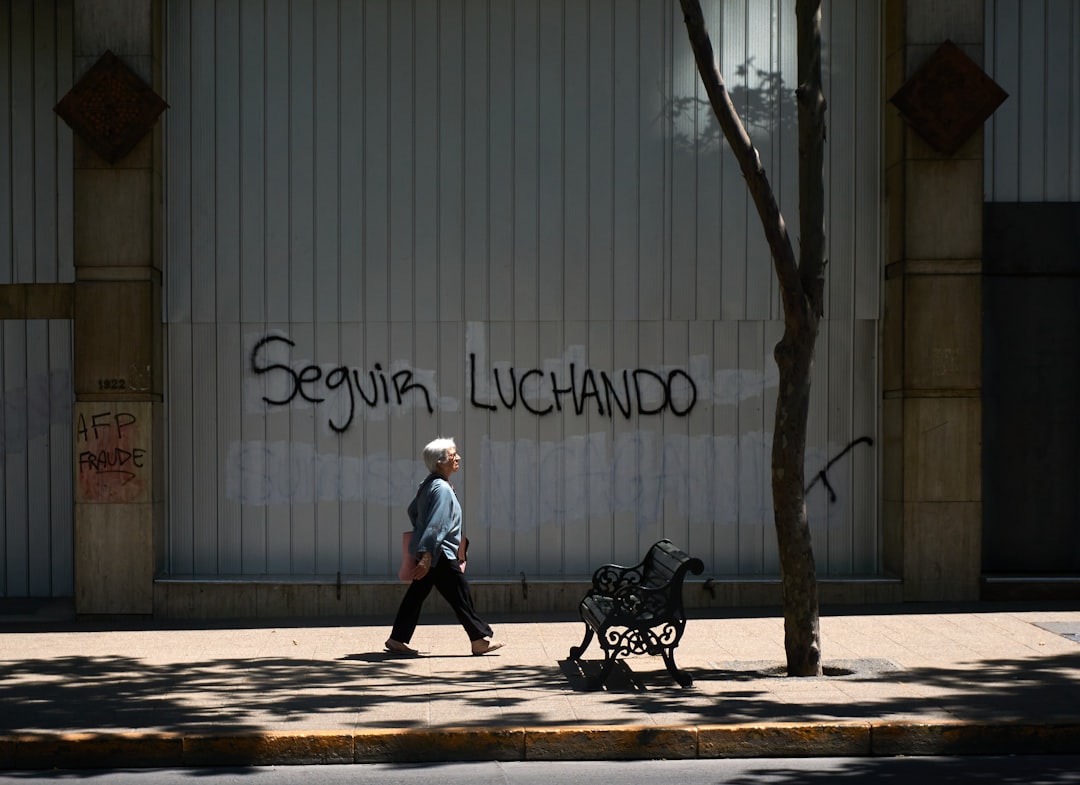
What is the best time to visit Santiago de Compostela?
The best time to visit is from May to September, when the weather is mildest and driest for exploring the city and walking the Camino. Galicia is known for rain, so even in summer it’s wise to pack a light waterproof jacket.
How do I get to Santiago de Compostela?
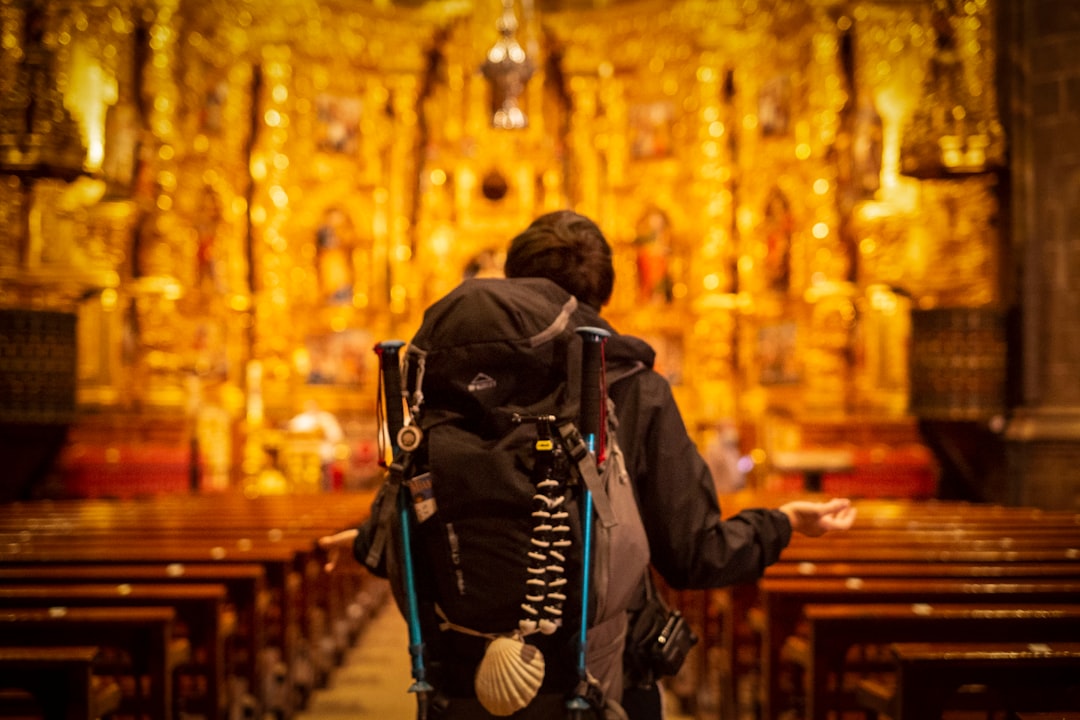
Santiago has its own airport (SCQ) with connections to major Spanish and European cities, and it’s also well connected by train and bus from cities like Madrid and A Coruña. Many travelers also arrive on foot after completing one of the Camino de Santiago pilgrimage routes.
What are the must-see sights in Santiago de Compostela?
The Cathedral of Santiago de Compostela, the final destination of the Camino, is the city’s main highlight, along with the historic Old Town, a UNESCO World Heritage Site. Other popular spots include the Praza do Obradoiro and the lively Mercado de Abastos food market.
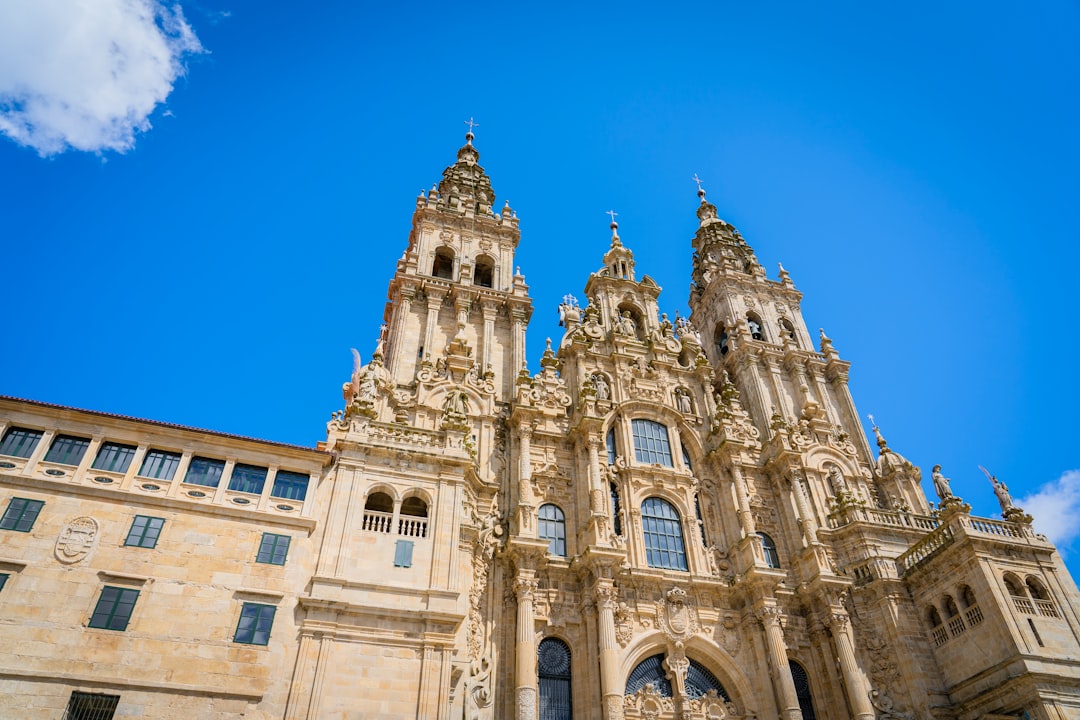
Santiago de Compostela is the spiritual finish line of the Camino de Santiago, a granite city in the hills of Galicia where medieval streets, Baroque facades and the scent of rain are never far apart. For over a thousand years pilgrims have walked here to stand before the tomb of Saint James, and today the same squares fill with hikers, students and travellers drawn to its slower, atmospheric rhythm. It’s a compact, walkable city that rewards a holiday spent wandering rather than checking off sights.
A City Built Around a Cathedral
The Praza do Obradoiro and its towering Cathedral of Santiago de Compostela are the obvious starting point, and the pilgrim’s mass at noon is worth timing your visit around. Beyond the cathedral, wander the old town’s covered arcades, the lively Mercado de Abastos food market, and museums like the Museo das Peregrinacións, which explains the Camino’s history in real depth. Climb up for rooftop cathedral tours over the tiled skyline, or simply sit in one of the granite squares and watch the city’s daily rhythm of arrivals and departures unfold.
Rain-Softened Streets and Pilgrim Energy
Santiago feels different from Spain’s sun-baked south: it’s a green, rain-softened city of narrow lanes, university students, bagpipe buskers and centuries-old taverns tucked into stone archways. The constant arrival of pilgrims, dusty and exhausted after weeks of walking, gives the city an emotional undertone few other Spanish destinations share. Expect a mix of solemnity around the cathedral and genuine buzz in the bars nearby, especially once term time brings the student population out at night.
Who Should Visit Santiago de Compostela
Santiago de Compostela suits travellers who want substance over sunbathing: history lovers, walkers, spiritual travellers finishing or starting a Camino route, and anyone curious about Galician culture rather than typical beach holidays. It also works well for slow city breaks, foodies interested in Atlantic seafood, and couples wanting an atmospheric, less touristy alternative to Barcelona or Seville. It’s less suited to travellers chasing guaranteed sunshine or big-resort nightlife.
Getting to Santiago de Compostela
Santiago has its own airport (SCQ), just 10 minutes from the centre, with direct flights from several UK, German and Spanish cities. High-speed AVE trains connect it to Madrid in under four hours and to A Coruña or Vigo in under an hour, making it an easy add-on to a wider Galicia trip. Many visitors also arrive on foot, completing one of the Camino de Santiago’s official walking routes, which enter the city through the atmospheric Rúa das Casas Reais.
Pairing Santiago with Galicia’s Coast
Santiago combines naturally with the wild Atlantic Costa da Morte, just an hour west, where cliffs and lighthouses like Cabo Fisterra mark the traditional ‘end of the world’ for pilgrims who keep walking past the cathedral. The Rías Baixas to the south offer sheltered estuaries, Albariño vineyards and seafood towns like Combarro and Cambados, while A Coruña adds a livelier port-city contrast just 45 minutes north. Two or three extra days along the coast give a fuller picture of Galicia beyond the cathedral square.
Seafood, Wine and the Festas do Apóstolo
Galician food culture centres on the sea: expect octopus (pulpo á feira), percebes, scallops and Albariño wine served in unpretentious tabernas around Rúa do Franco and Rúa da Raíña. The city’s biggest event is the Festas do Apóstolo in late July, climaxing on 25 July with concerts, fireworks over the cathedral facade, and a fervour that fills every square. Holy Years, when 25 July falls on a Sunday, draw even larger crowds through the cathedral’s rarely opened Holy Door.
Weather Through the Seasons
Spring (March–May) is mild and green but genuinely rainy, so pack proper waterproofs rather than an umbrella. Summer (June–August) brings the warmest, driest weather, around 22–25°C, and the busiest pilgrim season. Autumn (September–November) turns golden and quieter, with mist over the rooftops, while winter (December–February) stays cool and wet, rarely freezing but demanding a good coat for the persistent Galician drizzle.