Wat is de beste tijd om Viveiro te bezoeken?
De ideale periode is van juni tot september, wanneer het weer zonnig en warm is en de stranden goed toegankelijk zijn. Buiten het hoogseizoen is het rustiger, maar kan het regenachtiger en kouder zijn.
Hoe kom ik in Viveiro aan?
De dichtstbijzijnde luchthaven is die van A Coruña, van waaruit je met de auto of bus (ongeveer 1,5 uur) naar Viveiro kunt reizen. Er zijn ook regelmatige busverbindingen vanuit andere Galicische steden zoals Lugo en Santiago de Compostela.
Wat zijn de must‑see bezienswaardigheden in Viveiro?
Bezoek de historische oude stad met de Puerta de Carlos V en de kerk van Santa María del Campo, en geniet van de prachtige stranden zoals Praia de Covas en Praia de Area. Een boottochtje op de Ría de Viveiro biedt ook een mooi uitzicht op de omliggende natuur.
Tucked into a wide ría on Spain’s rainy green north coast, Viveiro is one of Galicia’s best-preserved walled towns, ringed by stone gates that once kept pirates out and now frame a laid-back fishing town. It pairs medieval streets with some of the finest beaches on the Rías Altas, making it a rewarding base for travellers who want authentic Spain without the crowds of the Costa Brava or Costa del Sol.
What to Do in Viveiro
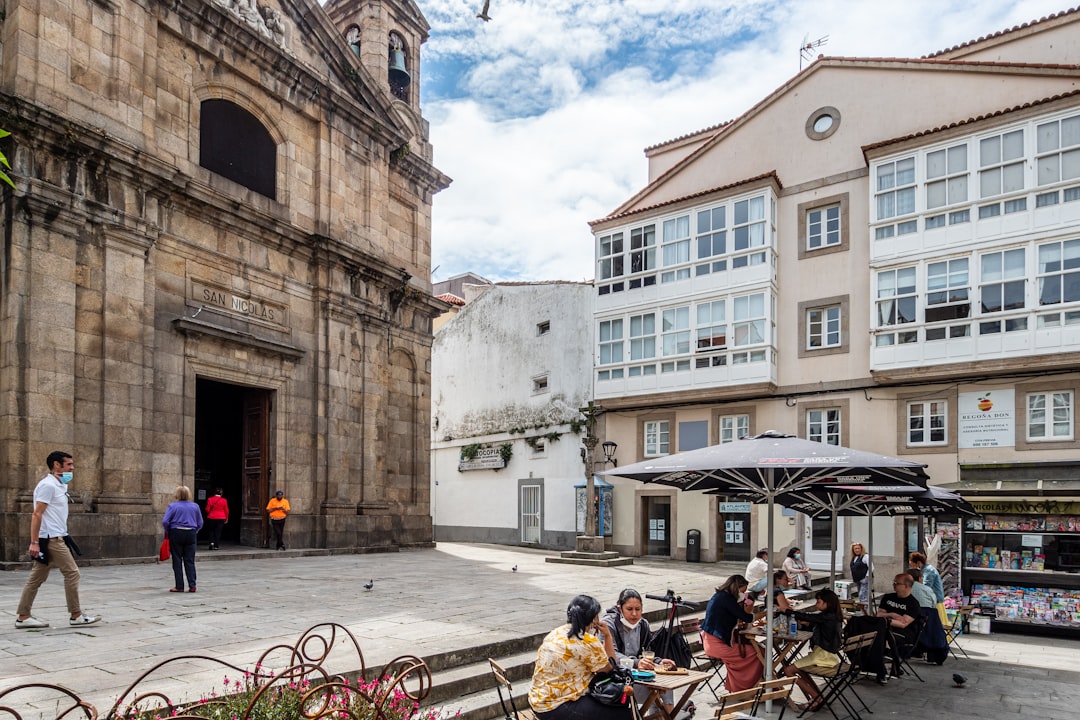
Start in the old town, entering through Porta de Carlos V or Porta do Vallado, two of the surviving medieval gates that give Viveiro its distinctive silhouette. Wander the arcaded Rúa da Amargura and the Praza Maior before heading down to the harbour, where fishing boats still unload the day’s catch. Just a short drive away, Praia de Covas and Praia de Área offer wide stretches of golden sand and reliable surf, while the Camino del Norte pilgrim route passes right through town for those who fancy a coastal walking stretch.
The Vibe: Unhurried and Genuine
Viveiro moves at the pace of the tide: shops close for long lunches, locals gather in the plaza in the evening, and the loudest sound is usually gulls over the harbour. It suits travellers drawn to nature, slow food and history rather than nightlife, and works particularly well for couples, walkers, surfers and families who want beach days without beach-resort sprawl. If you’re chasing untouched Galicia rather than a polished tourist strip, this is exactly that.
Getting to Viveiro
The nearest airports are A Coruña and Santiago de Compostela, both roughly 1.5 to 2 hours away by car, with Asturias airport a similarly workable option from the east. Viveiro also sits on the scenic FEVE narrow-gauge railway linking Ferrol and Gijón, a slow but memorable way to arrive along the coast. Driving is the most flexible choice, especially if you plan to explore the surrounding Rías Altas villages.
Combine With: Rías Altas and Inland Galicia
Viveiro is a natural base for exploring the wilder Rías Altas: the dramatic cliffs of Cabo Ortegal, the pilgrimage village of San Andrés de Teixido, and Ortigueira, famous for its summer Celtic music festival, are all within easy reach. Inland, the historic cathedral town of Mondoñedo makes a fine half-day trip, while Ribadeo and the tidal beach of As Catedrais lie about 40 minutes east along the coast. Together they make a compact but varied itinerary without needing to move your base.
Semana Santa in Viveiro
Viveiro’s Holy Week processions are among the most significant in northern Spain, with roots going back to the 16th century and confraternities parading through the old town’s narrow streets. Expect solemn night processions lit by candlelight, elaborate wooden pasos carried through the walled centre, and a genuinely local atmosphere rather than a staged tourist show. Outside of Easter, smaller local festivities and maritime celebrations mark the fishing calendar throughout the year.
Eating in Viveiro
Galician seafood dominates the table here: expect fresh percebes (goose barnacles) harvested from the wild Rías Altas rocks, grilled octopus, and simple, excellent shellfish rice served in harbourside tabernas. Pair it with a chilled glass of local Ribeiro or Albariño wine and finish with a slice of tarta de Mondoñedo if you’ve made the short trip inland. Meals here are unfussy and generous, built around whatever came off the boat that morning.
Climate by Season
Spring brings mild, unpredictable weather with fresh greenery across the surrounding hills, ideal for walking without summer crowds. Summer is warm rather than hot, rarely exceeding the mid-20s°C, with the Atlantic keeping evenings cool and beach days pleasant. Autumn turns wetter and moody, atmospheric for exploring the old town, while winter is mild but rainy, typical of Galicia’s oceanic climate, with temperatures hovering in the low teens.