Wat is de beste tijd om Arnedo te bezoeken?
De lente (april-juni) en het najaar (september-oktober) zijn ideaal vanwege het milde klimaat en de bloeiende natuur in de Cidacos-vallei. De zomer kan erg heet worden, met temperaturen boven de 30°C.
Hoe kom ik in Arnedo aan en rond?
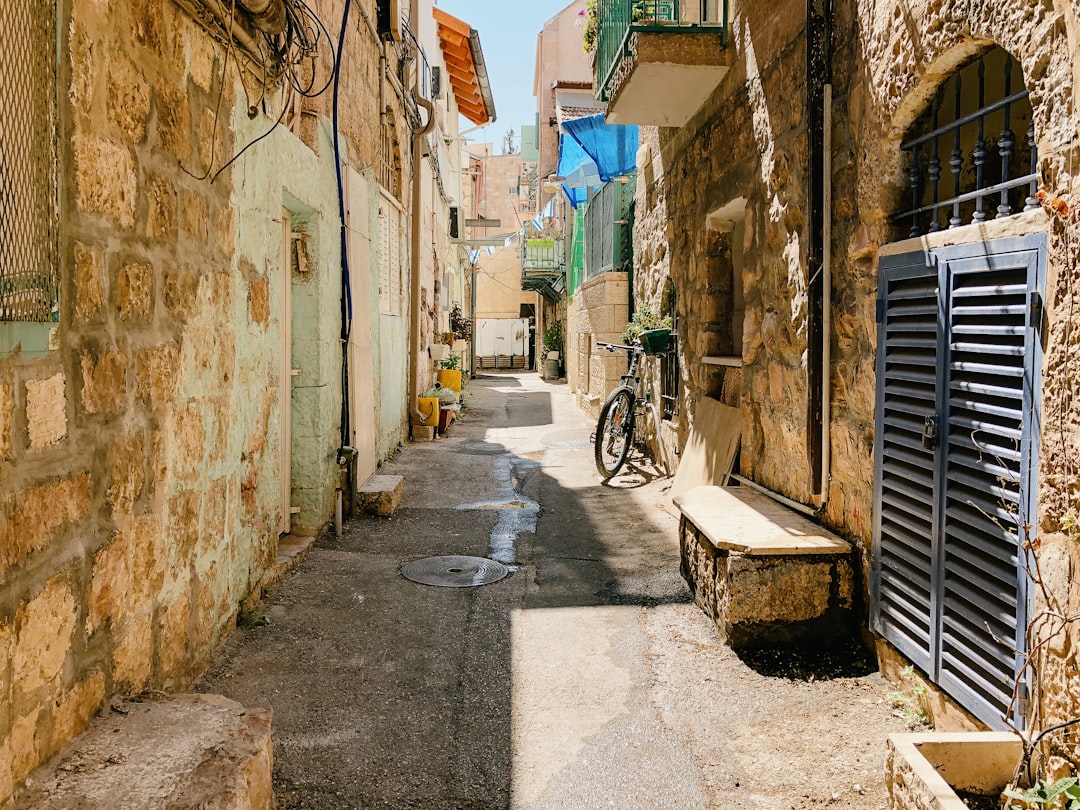
Arnedo is het beste te bereiken met de auto vanaf Logroño (ca. 45 minuten) of vanaf Zaragoza (ca. 1,5 uur), aangezien er geen treinstation is. Binnen de stad is alles goed te voet te verkennen, dankzij de compacte historische kern.
Wat zijn de belangrijkste bezienswaardigheden in Arnedo?
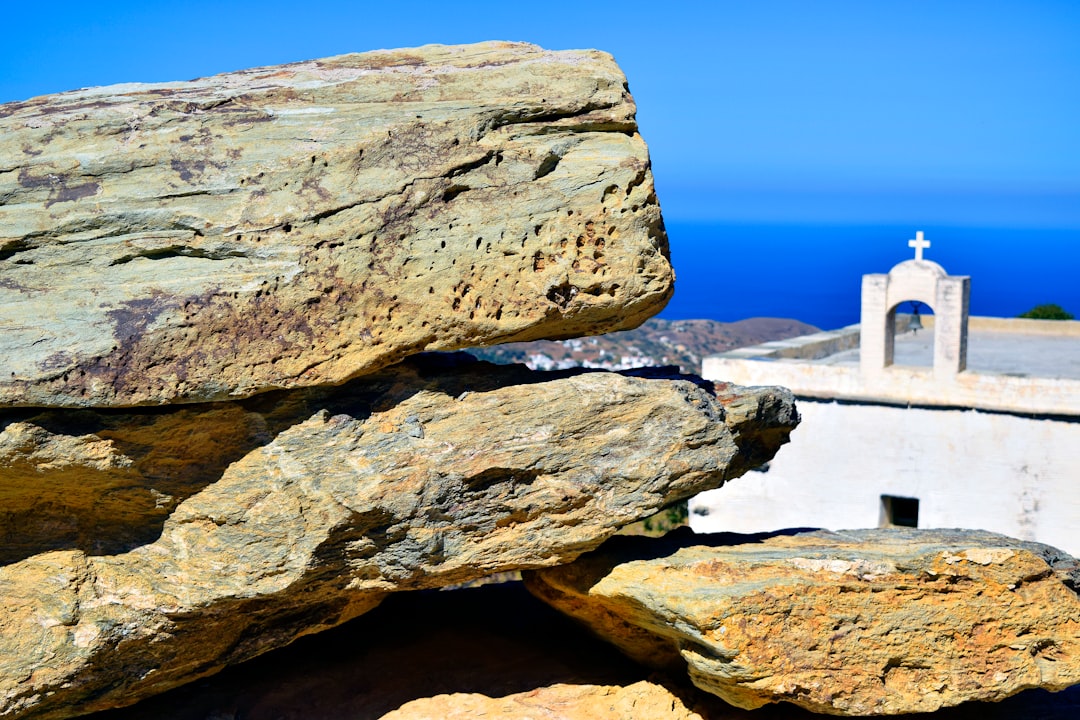
Bezoek de indrukwekkende grotwoningen en de Ermita de la Virgen de Vico, gelegen op een rots met panoramisch uitzicht over de stad. Ook het Paleolithische museum en de dinosaurus-voetafdrukken (icnitas) in de omgeving zijn een bezoek waard.
Tucked into a valley of ochre rock formations, Arnedo is the kind of Spanish town most travellers drive past on their way to somewhere else — which is exactly why it rewards those who stop. Once a Roman settlement and later a stronghold of Spain’s shoe-making industry, it now offers a rare mix of troglodyte history, prehistoric footprints and unhurried small-town life, all within easy reach of La Rioja’s famous vineyards.
What to See and Do
Arnedo’s old quarter, the Barrio de las Cuevas, is riddled with homes and chapels carved directly into the soft sandstone cliffs — a troglodyte neighbourhood that dates back centuries and still functions as part of the living town. Above it perches the Santuario de Vico, a hermitage built into the rock face with sweeping views over the valley, reached via a short but steep walk. Just outside town, the Barranco de la Virgen del Monte and nearby ravines hold some of Europe’s most extensive sets of fossilised dinosaur footprints (icnitas), left in what was once a Cretaceous lagoon shoreline. Arnedo is also known as Spain’s historic footwear capital, and the small Museo del Calzado traces that industrial heritage in an unexpectedly engaging way.
Vibe and Character
This is a working town rather than a postcard village — real shops, real bars, and a rhythm of life that hasn’t been reshaped for tourism. The pace is slow, the streets are quiet outside of festival season, and the surrounding landscape of red rock canyons and almond orchards gives it a distinct, almost desert-like character within green La Rioja. It suits travellers who enjoy discovering places on their own terms rather than following a well-trodden itinerary.
Who It’s For
Arnedo appeals to independent travellers curious about geology, prehistory and lesser-known Spanish history, as well as hikers drawn to the canyon trails and rock formations right on the town’s doorstep. Families with children will find the dinosaur footprints genuinely exciting rather than a gimmick, and wine lovers can easily combine a stay here with vineyard visits nearby. It’s less suited to those wanting nightlife or beach resorts — this is a base for exploring, not for lounging.
Getting There
The nearest airport is Logroño-Agoncillo, about 45 minutes away by car, though many travellers fly into Bilbao or Zaragoza, both roughly 1.5 to 2 hours’ drive, and pick up a rental car. Arnedo sits just off the N-232, making it an easy detour for anyone road-tripping through La Rioja, and regional buses connect it to Logroño and Calahorra for those without a car.
Nearby Places Worth Combining
Calahorra, a Roman-founded town with an active archaeological legacy, lies just 15 minutes away, while San Millán de la Cogolla — the UNESCO-listed birthplace of written Spanish — makes for a rewarding half-day trip. Logroño, the regional capital known for its tapas-bar culture on Calle Laurel, is under an hour away, and the Rioja wine route through Nájera and Haro rounds out a well-balanced itinerary mixing landscape, history and wine.