What is the best time to visit Haro?
Late September to early October is ideal for the Wine Harvest Festival and grape harvest season. Spring and early autumn also offer pleasant weather for exploring the town and vineyards without summer’s heat.
How do you get to Haro?
Haro has its own train station with connections to Bilbao and Logroño, and is easily reached by car via the A-68 highway. The nearest major airports are in Bilbao and Vitoria, both about an hour’s drive away.
What are the top things to do in Haro?
Visit the historic wineries (bodegas) in the Barrio de la Estación for tastings and tours, and explore the old town’s Renaissance architecture, including the Church of Santo Tomás. Don’t miss the famous Haro Wine Festival (Batalla del Vino) held every June 29th.
Haro is the beating heart of La Rioja wine country, a town where centuries-old bodegas outnumber tourist shops and everyday life still moves at the pace of the grape harvest. Perched above the Ebro river, this compact town packs Gothic architecture, legendary wine cellars and one of Spain’s most eccentric festivals into a handful of quiet, cobbled streets. It’s the kind of place where you can taste world-class Rioja straight from the barrel without ever fighting a crowd.
A Wine Capital in Miniature
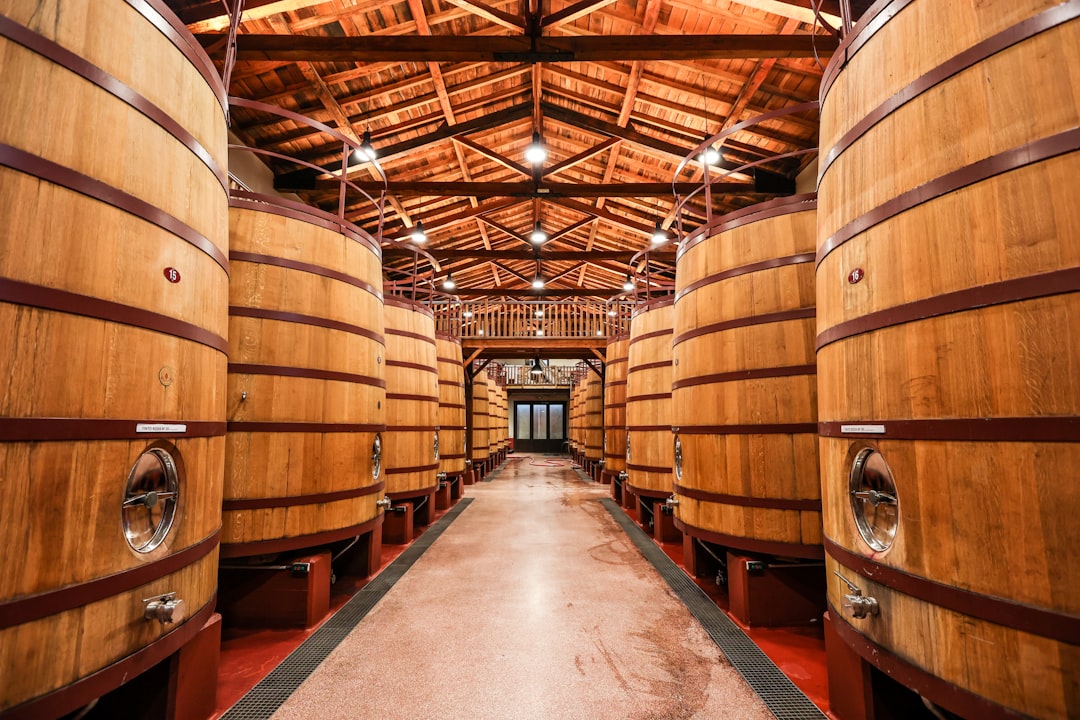
Wander through the Barrio de la Estación, a cluster of historic bodegas built beside the railway station when French winemakers fled phylloxera in the 1890s and found Rioja’s climate ideal for their vines. Names like López de Heredia and Muga still age their wines in century-old underground cellars, many open for tours and tastings that go far deeper than a quick sip. In the old town, climb to the Iglesia de Santo Tomás for its ornate Plateresque façade, then head down to Plaza de la Paz, where locals gather over vermouth long before dinner. The Ebro riverside paths offer an easy, scenic walk away from the wine talk, especially at sunset when the bodega rooftops glow gold.
Small-Town Character, Big Wine Culture
Haro doesn’t perform for visitors — it simply gets on with its own rhythm of harvests, market days and long lunches. There’s a lived-in authenticity here that’s increasingly rare in Spain’s more famous wine regions: pinchos bars fill with vintners and grandmothers rather than tour groups, and shopkeepers still close for a proper siesta. It’s unpolished in the best sense, a town that rewards curiosity rather than a checklist.
Who Will Love Haro
Haro suits travellers who’d rather sip wine with a winemaker than queue for a museum, and who enjoy discovering a place through its food and people rather than its landmarks. Slow travellers, wine enthusiasts and anyone road-tripping through northern Spain will feel at home here, while those craving beach resorts or big nightlife should look elsewhere. It also makes an excellent base for exploring rural La Rioja at a gentle, unhurried pace.
Getting to Haro
Haro has no airport of its own, but Bilbao Airport is just over an hour’s drive north, making it an easy add-on to a Basque Country trip. Logroño, the regional capital, sits about 45 minutes away and has its own smaller airport with limited connections. Trains link Haro to Bilbao and Zaragoza, though a car remains the most practical way to reach the town and explore the surrounding vineyards at your own pace.
Beyond Haro: La Rioja and Beyond
Logroño makes an obvious pairing, its tapas-packed Calle Laurel just a short drive from Haro’s quieter streets. History lovers can continue to San Millán de la Cogolla, whose UNESCO-listed monasteries mark the birthplace of written Spanish, while wine road trips often stretch further into the vineyard villages of Briones and Elciego. For a complete change of scenery, the Basque coast — San Sebastián and Bilbao — is close enough for a memorable day trip.
The Wine Battle and Local Traditions
Every June 29th, Haro trades its calm for chaos during the Batalla del Vino, when thousands of locals and visitors climb the Riscos de Bilibio hillside armed with buckets, water guns and wine, dousing each other until everyone is drenched deep purple. The tradition dates back over a century, rooted in a dispute over land boundaries between Haro and neighbouring Miranda de Ebro. It’s followed by a bullfight and street festivities, making late June the liveliest — and messiest — time to visit.
Climate Throughout the Year
Spring in Haro brings mild days and blossoming vineyards, ideal for walking the surrounding hills before summer heat arrives. Summers are hot and dry, often reaching 30°C, though evenings cool pleasantly thanks to the town’s elevation. Autumn is harvest season, arguably the most atmospheric time to visit, with crisp air and bodegas in full swing. Winters are cold and can be foggy along the Ebro, but also quiet and atmospheric, perfect for cellar visits and slow, wine-warmed lunches.