What is the best time to visit Pamplona?
The most famous time to visit is during the San Fermín festival (Running of the Bulls) from July 6-14, though this brings large crowds and higher prices. For a quieter visit with pleasant weather, late spring (May-June) or early autumn (September) are ideal.
How do I get to Pamplona?
Pamplona has its own airport with domestic flights, mainly connecting to Madrid and Barcelona. Alternatively, you can take a train or bus from major Spanish cities, or fly into Bilbao or Madrid and continue by bus or rental car.
What are the must-see attractions in Pamplona?
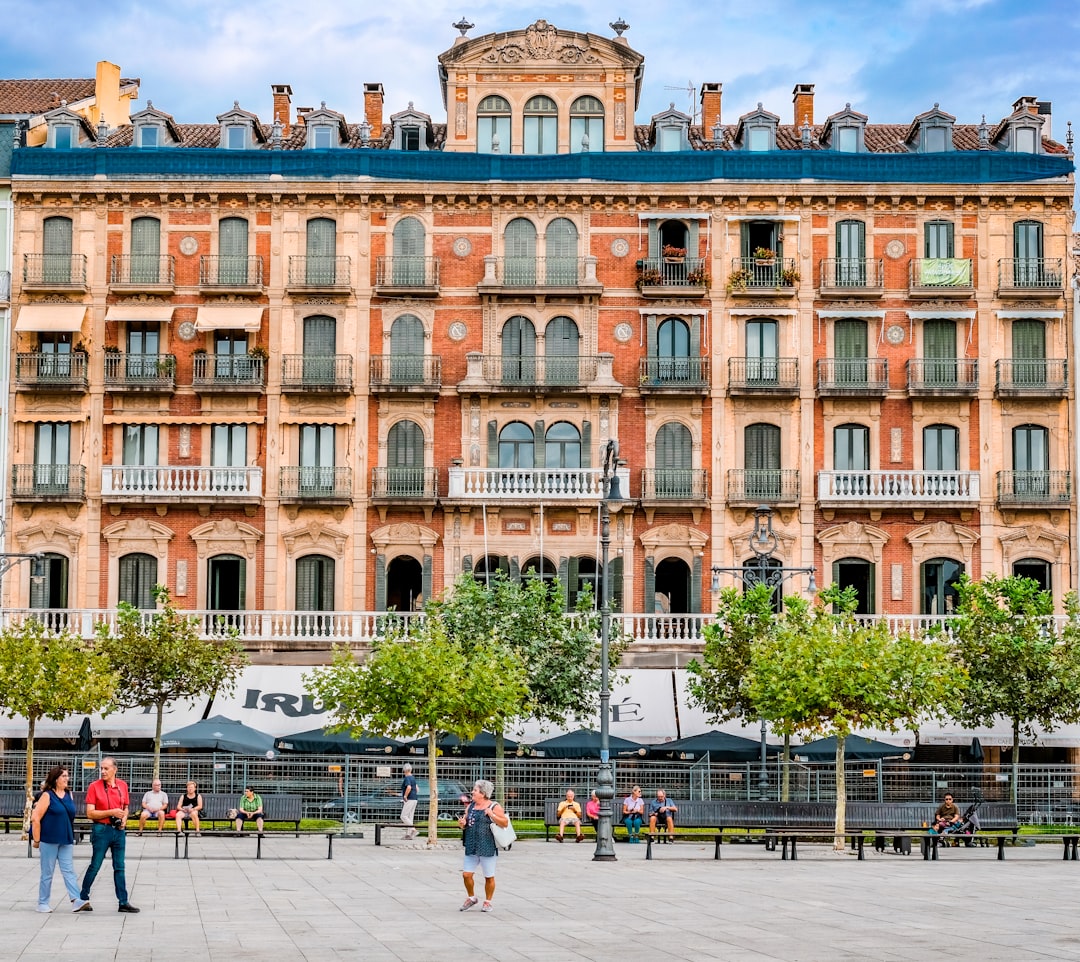
Top sights include the historic Plaza del Castillo, the Gothic Catedral de Santa María la Real, and the city walls (Ciudadela) with scenic walking paths. Visitors can also follow the route of the famous bull run through the old town’s narrow streets.
Pamplona is far more than the eight seconds it takes a bull to charge down Estafeta street. Capital of Navarra and gateway to the Pyrenees, it’s a compact, walkable city where medieval fortifications, leafy parks and some of northern Spain’s best pintxos bars sit within a single afternoon’s stroll. Visit during San Fermín for chaos and colour, or come any other week for a calmer, deeply authentic slice of Basque-Navarrese life.
What to See and Do in Pamplona
The Casco Viejo (old town) rewards aimless wandering, from the Gothic Catedral de Santa María la Real to the star-shaped Ciudadela fortress, now a peaceful park used for exhibitions and outdoor art. Follow the Camino de Santiago waymarks that pass right through the city centre, or trace Hemingway’s old haunts along Calle Estafeta, immortalised in ‘The Sun Also Rises’. For a quieter afternoon, the Vuelta al Casco Viejo walk along the restored ramparts offers views over the Río Arga and the surrounding farmland.
Pintxos, Not Tapas
Pamplona takes its pintxos seriously, and the streets around Calle San Nicolás and Calle Estafeta are lined with bars where locals eat standing up, hopping from one place to the next. Look for jamón-topped baguette slices, txistorra (thin Navarrese chorizo) grilled fresh, and pimientos del piquillo stuffed with cod or meat. Pair it all with a glass of Navarra rosé or a young Rioja, since the wine region’s border lies less than an hour south.
San Fermín: Nine Days of Controlled Madness
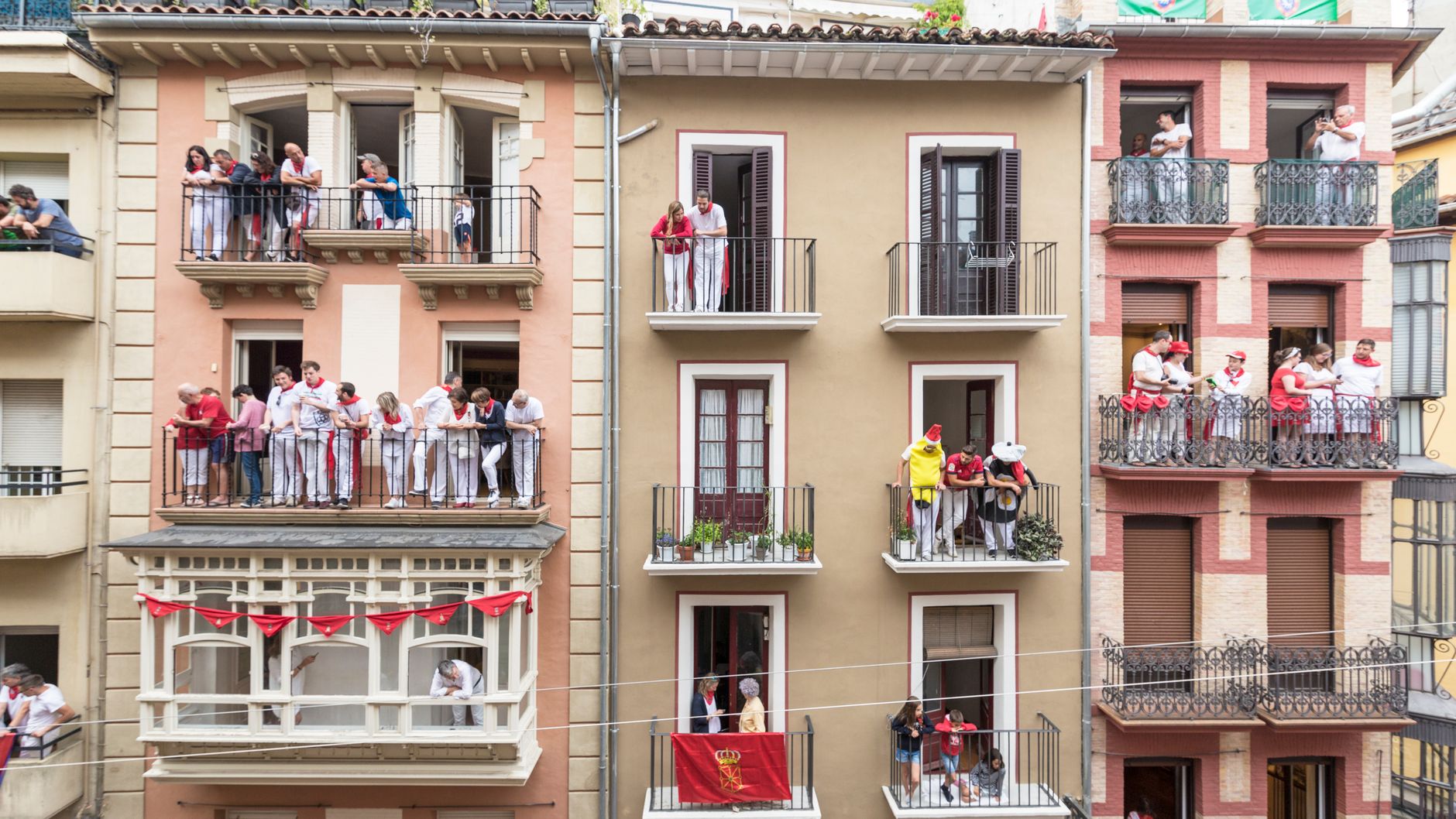
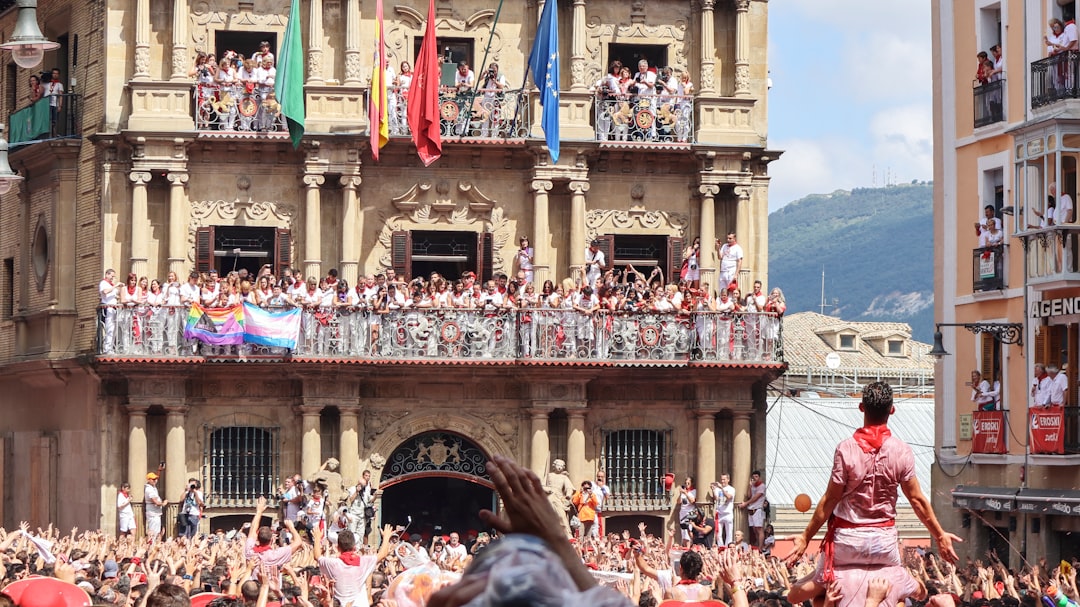
Every year from 6 to 14 July, Pamplona transforms for San Fermín, the festival made famous by its encierro, the early-morning bull run through the old town’s narrow streets. Beyond the run itself, expect fireworks, brass bands, giant papier-mâché figures (gigantes) parading through the squares, and a city dressed entirely in white and red. It’s intense and crowded, so book accommodation months ahead if this is the reason for your trip, or visit outside these dates for a completely different, much quieter city.
Who Pamplona Suits
This is a city for travellers who like their culture unpolished: history buffs, pilgrims walking the Camino, food lovers chasing pintxos over fine dining, and anyone curious about Basque-Navarrese identity rather than beach postcards. It also works well as a short, walkable city break for couples or solo travellers who want a break from Spain’s more touristed south. Families may find it quieter than expected outside festival week, which is exactly its appeal.
Getting to Pamplona
Pamplona Airport handles limited domestic flights, mainly from Madrid, so most travellers arrive via Bilbao or San Sebastián airports (each roughly 1.5 hours away by car or bus) or fly into Madrid and take a fast train, with journeys of around 3 hours. The city also sits on a direct rail line from Madrid and Barcelona, and is a manageable drive from the French border, making it an easy add-on for a wider northern Spain or Basque Country itinerary.
Combine Your Trip With
Pamplona pairs naturally with San Sebastián (under 1 hour away) for coastal pintxos culture, and with the Bardenas Reales, a striking semi-desert landscape in southern Navarra that feels worlds away from the green Pyrenean foothills nearby. Wine lovers should push on to La Rioja for cellar visits, while hikers can use Pamplona as a base for exploring the Navarrese Pyrenees and early stages of the Camino de Santiago.
Climate Through the Seasons
Spring brings mild, changeable weather with fresh green hills, ideal for walking before the summer crowds arrive. Summers are warm and dry, peaking around San Fermín in July, when the city is at its busiest and hottest. Autumn is crisp and colourful, excellent for food and wine trips into the surrounding countryside, while winter turns cold and often damp, with occasional snow, best suited to those who prefer quiet streets and cosy pintxos bars over outdoor sightseeing.