What is the best time to visit Andalusia?
The best time to visit is spring (April-June) or autumn (September-October) when temperatures are mild and pleasant. Summer can be extremely hot, especially inland in cities like Seville and Córdoba.
How do you get to Andalusia?
The easiest way is to fly into one of the region’s main airports, such as Málaga, Seville, or Granada. From other parts of Spain, high-speed AVE trains also connect Madrid and Barcelona to Andalusian cities.
What are the must-see attractions in Andalusia?
Top highlights include the Alhambra in Granada, the Mezquita-Catedral in Córdoba, and the Alcázar and Seville Cathedral in Seville. The White Villages and coastal towns along the Costa del Sol are also popular for day trips.
Andalusia is Spain pushed to its most intense: hotter summers, deeper history and a cultural identity shaped by eight centuries of Moorish rule. From Seville’s flamenco bars to the snow-capped Sierra Nevada above Granada, this southern region packs more contrast into one province than most countries manage across their whole territory.
Spain’s Southern Edge, Closest to Africa
Andalusia occupies the entire southern tip of Spain, bordered by Portugal to the west, Extremadura and Castilla-La Mancha to the north, and Murcia to the east, with only 14km of the Strait of Gibraltar separating it from Morocco. It’s the only Spanish region with both an Atlantic coastline (Costa de la Luz) and a Mediterranean one (Costa del Sol, Costa Tropical), each with a different climate and beach character. Nearly eight centuries of Al-Andalus rule left a visible imprint here that no other Spanish region shares at this scale, from horseshoe arches to the irrigation channels still feeding citrus orchards.
Snow-Capped Peaks Above Sun-Baked Plains
The region unfolds in three bands: the Sierra Morena hills in the north, the wide Guadalquivir valley through the middle where olives, cotton and wheat have been farmed since Roman times, and the Sierra Nevada in the south, where Mulhacén reaches 3,479m, mainland Spain’s highest point. This means skiers and sunbathers can, in theory, be an hour apart in winter, a combination virtually unique in Europe. Between the mountains and coast lie dry, rugged interiors and the badlands of Tabernas, used as a filming backdrop for spaghetti westerns.
Cities and Towns Worth Building a Trip Around
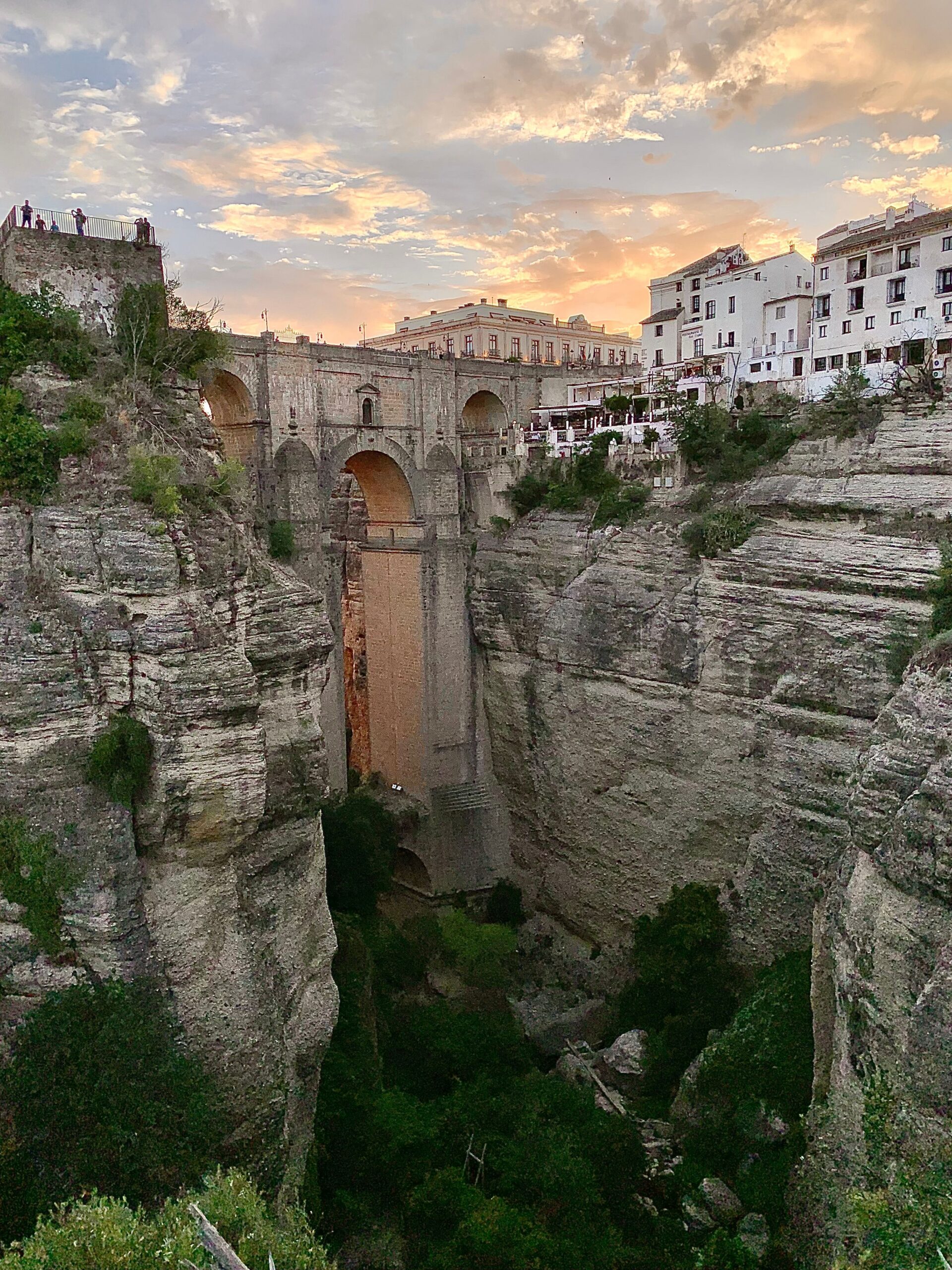
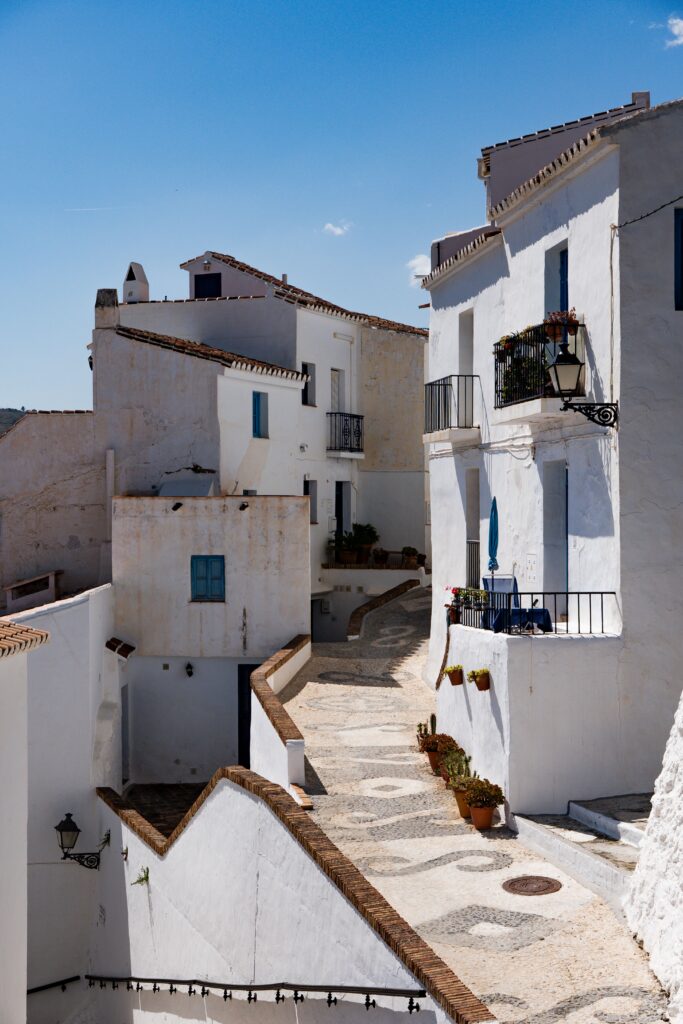
Seville delivers the cathedral, the Alcázar and genuine flamenco in Triana’s back streets; Granada’s Alhambra remains the region’s single most-visited monument; and Córdoba’s Mezquita-cathedral shows Christian and Islamic architecture layered on top of each other. Málaga has reinvented itself as a design and museum city (Picasso was born here) while serving as the main gateway to the Costa del Sol; Cádiz claims to be the oldest continuously inhabited city in western Europe. Inland, the pueblos blancos, whitewashed hilltop villages like Ronda with its dramatic gorge, or Zahara de la Sierra, reward slower exploration by car.
Flamenco, Fiestas and a Distinct Way of Speaking
Andalusia is where flamenco and Sevillanas took shape, and Seville’s week-long Feria de Abril (April) turns the city into a spectacle of horse-drawn carriages, flamenco dresses and all-night dancing. Semana Santa processions in the days before Easter are more solemn but equally intense, especially in Seville and Málaga. Jerez de la Frontera is the home of sherry and Andalusian horsemanship, and the local Spanish accent, with dropped consonants and a distinct rhythm, sounds notably different from Castilian Spanish spoken further north.
Climate: When to Chase Sun, Snow or Silence
Spring (March-May) brings mild temperatures and wildflowers, making it the best season for hiking the Alpujarras or exploring cities without summer crowds. Summer (June-September) is fierce inland, with Seville and Córdoba regularly topping 40°C, while coastal areas stay more bearable thanks to sea breezes, ideal for beach-focused stays on the Costa del Sol or Costa de la Luz. Autumn (October-November) keeps the sea warm well into October and coincides with the grape harvest around Jerez, while winter (December-February) stays mild on the coast at around 15-17°C, and is the only season when you can genuinely combine skiing in the Sierra Nevada with a coastal lunch the same day.
Getting There and Pairing Andalusia With Its Neighbours
Málaga Airport is the main international gateway with extensive budget connections across Europe, while Seville and Granada have smaller regional airports; Spain’s AVE high-speed trains link Madrid to Seville, Córdoba and Málaga in under three hours. Many travellers combine Andalusia with a stop in Extremadura’s Roman ruins at Mérida to the north, or continue east toward Murcia’s coastline. From Tarifa or Algeciras, a short ferry crossing even makes a day trip to Tangier, Morocco, a realistic add-on.